


Sataya Dolphin House — Complete Diving and Snorkelling Guide
A sheltered lagoon at Sataya Reef where a resident pod of wild spinner dolphins lives year-round — one of the few sites in the Red Sea where an underwater encounter is genuinely likely.
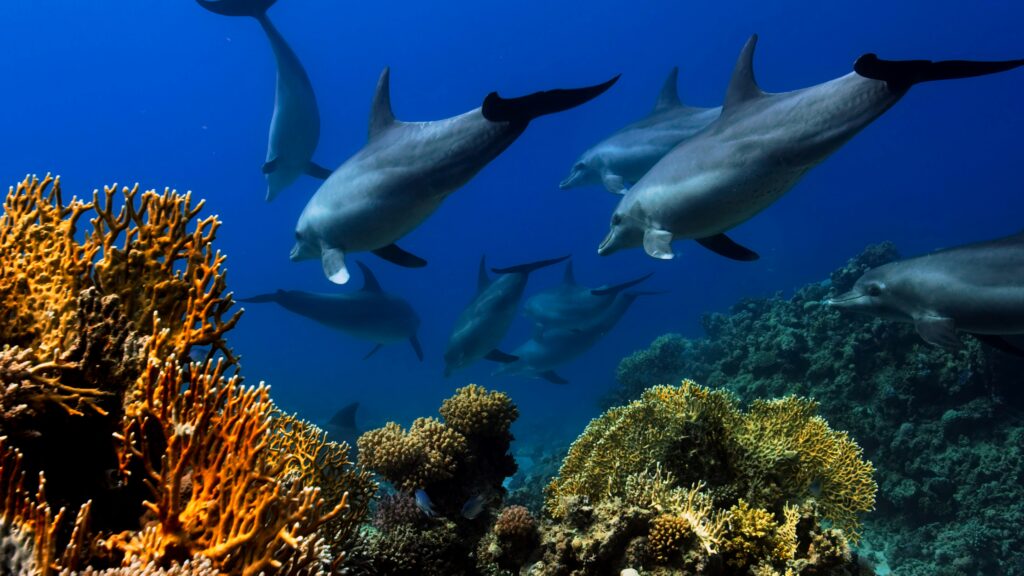
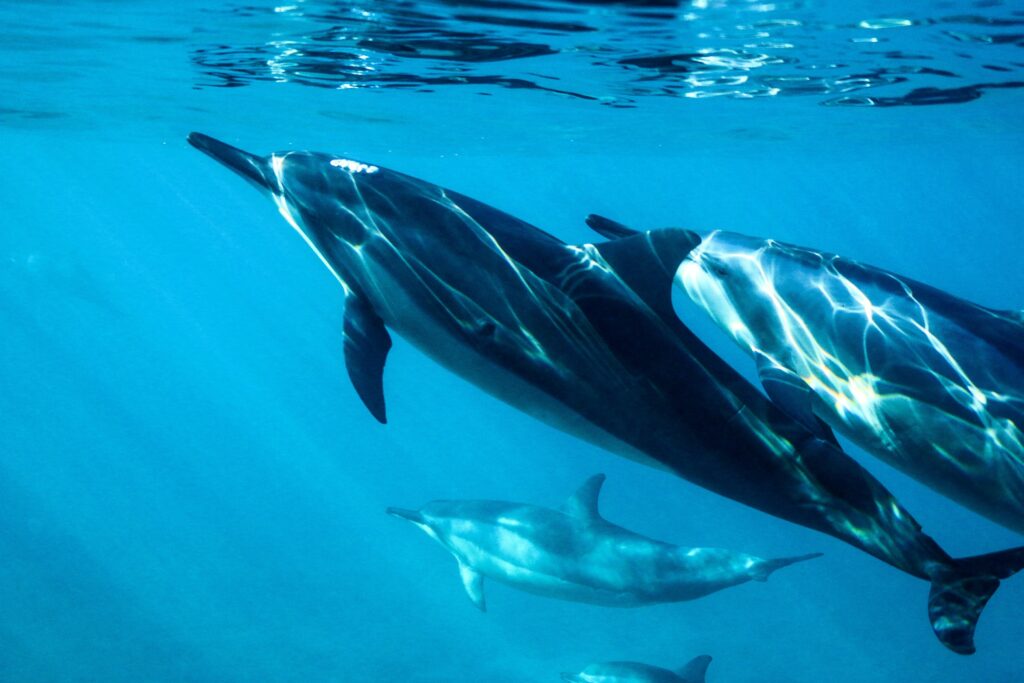
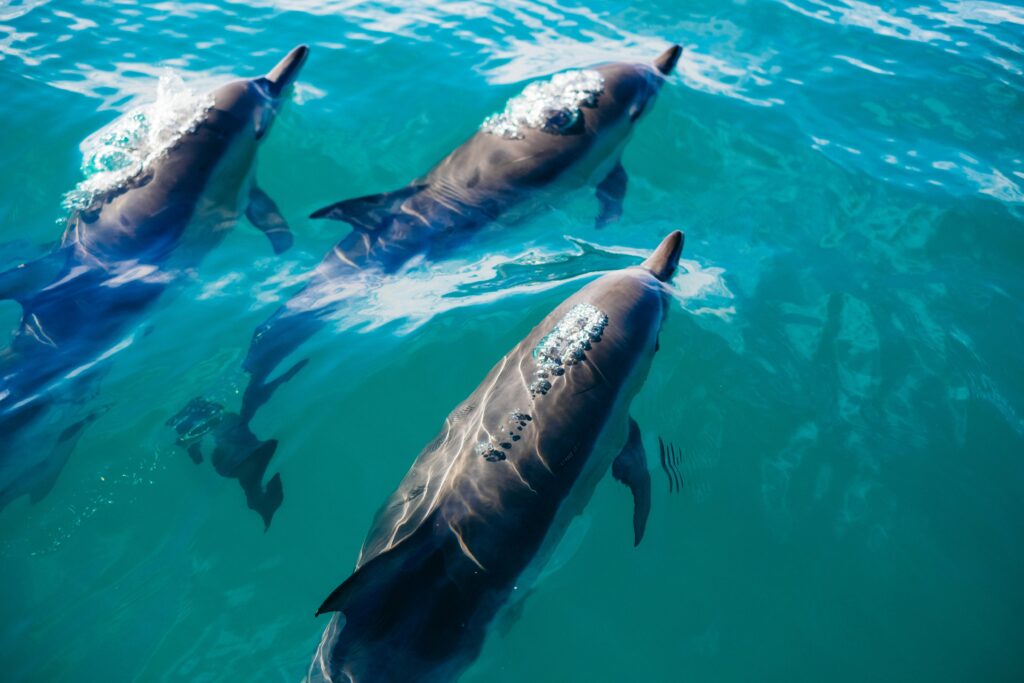
Sataya Dolphin House — MY JPMarine, southern Red Sea
The lagoon — geography and depth
Sataya Reef sits in the southern Red Sea, roughly 130 km south of Marsa Alam. The reef encloses a shallow lagoon on its western side — sandy bottom, protected from ocean swell, with a depth range of 5–18 m.
| Detail | Sataya Dolphin House |
|---|---|
| Location | Sataya Reef, southern Red Sea — ~130 km south of Marsa Alam |
| Lagoon depth | 5–18 m, sandy bottom |
| Dolphin species | Spinner dolphin (Stenella longirostris) — resident pod |
| Pod status | Year-round residents — not seasonal visitors |
| Access type | Liveaboard or day trip — day-trip boats arrive around 11:00–12:00, too late for dolphins; morning encounters are only achievable on a liveaboard |
| Peak activity | Morning — dolphins rest in the lagoon and are most approachable |
| Entry options | Snorkelling only in the dolphin lagoon |
The lagoon bottom is white sand with scattered coral heads along the inner reef wall. Visibility is typically 15–25 m.
How the dolphins use the lagoon
Spinner dolphins are nocturnal hunters. They feed in open water overnight and return to the lagoon in the morning to rest. The lagoon provides shelter, shallow water, and low predation pressure — conditions the pod returns to every day.
| Time of Day | Dolphin Behaviour | Encounter Quality |
|---|---|---|
| Dawn–mid-morning | Resting in lagoon, slow movement, socialising | Highest — dolphins are calm and curious |
| Late morning | Increasing activity, pod begins to move | Good — encounters shorter but still frequent |
| Midday–afternoon | Pod often moves to reef edge or open water | Variable — depends on pod behaviour that day |
| Night | Feeding in open water — lagoon empty | No dolphins in lagoon |
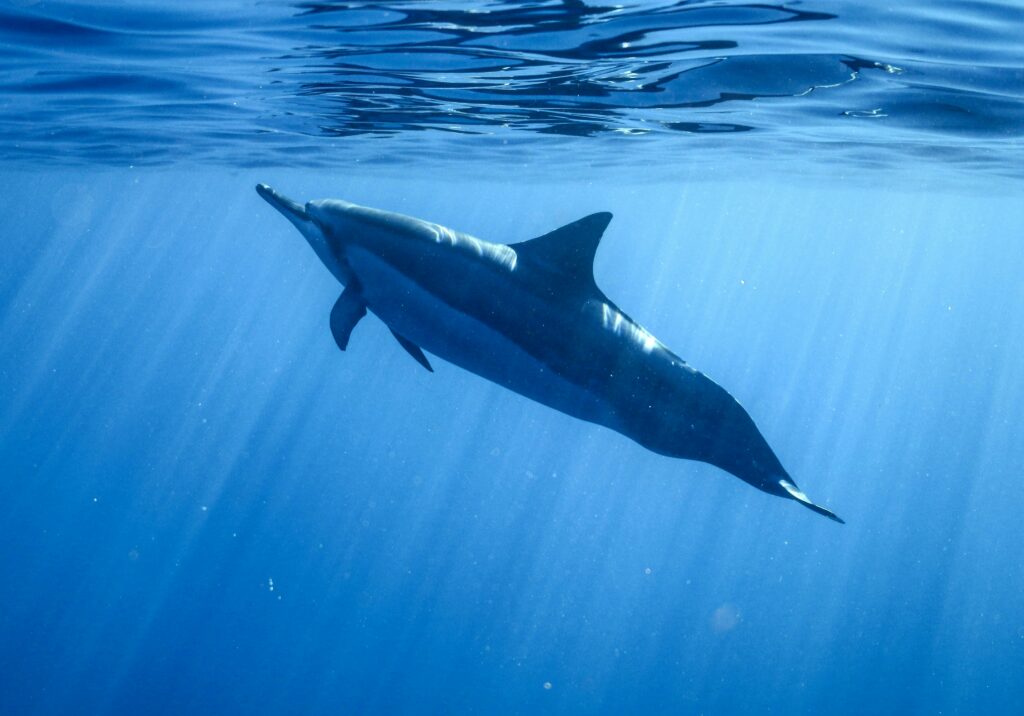
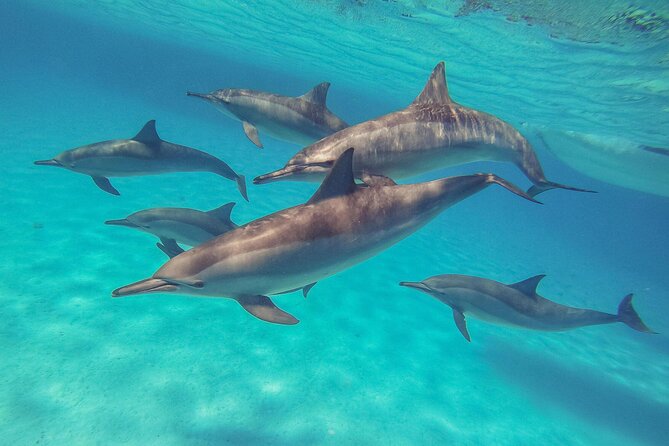
Pod size at Sataya is typically 50–100 individuals, though numbers vary. The dolphins approach snorkellers on their own terms — they will circle, investigate, and sometimes stay alongside for several minutes. The key is stillness: staying motionless at the surface gets longer contact than swimming towards them.
Sataya Dolphin House: snorkelling in the lagoon, diving on the reefs
“Sataya” refers to a vast reef area in the southern Red Sea containing nearly a hundred different reefs. Sataya Dolphin House is one specific lagoon within that area — the place where the resident spinner dolphin pod rests each morning. The two are distinct:
| Zone | Activity | What you find there |
|---|---|---|
| Dolphin House lagoon | Snorkelling only — no scuba diving | Resident spinner dolphin pod, sandy bottom, shallow water (5–18 m) |
| Sataya reef area | Snorkelling and scuba diving on the surrounding reefs | Reef fish, turtles, reef sharks, coral walls |
Inside the Dolphin House lagoon, entry is snorkelling only. The shallow, sandy-bottomed lagoon is open to everyone — no dive certification required. The dolphins approach from below and alongside; staying still at the surface is the best way to extend the encounter. Some of the longest encounters are reported by snorkellers who held position at the surface while the pod rested just below them.
The Sataya reef area offers scuba diving sites — coral walls, reef heads, and reef species — that can be explored before or after the dolphin session in the lagoon.
Sataya on the next departure?
Check available dates or reach out — we answer quickly.
Or prefer email? info@divesafarimaster.com
The no-touch, no-chase protocol
DiveSafariMaster guides enforce a strict behavioural protocol at Sataya on every entry. The protocol is what keeps the pod returning to the lagoon — sites where guests chase or touch dolphins see the animals leave and not come back.
✔️ No touching — reaching toward a dolphin causes it to change direction and end the approach
✔️ No chasing — swimming after the pod reduces encounter duration; staying still gets longer contact
✔️ No feeding — feeding wild dolphins disrupts natural behaviour and is prohibited under Egyptian marine law
✔️ No flash photography — strobes startle the animals; natural light or video lights on low only
✔️ Entry controlled — guide enters first, signals when the pod is calm and approachable
✔️ Exit on guide signal — if dolphins show signs of stress (rapid direction changes, tight group formation), the group exits the water
The protocol is briefed before every entry. Guests who do not follow it are asked to return to the zodiac. This is not optional — the site’s long-term viability depends on the pod continuing to use the lagoon.
Which itineraries include Sataya
Three MY JPMarine itineraries include Sataya Dolphin House. They differ in the other sites covered and the overall focus of the week.
| Itinerary | Other Key Sites | Focus | Min. Certification |
|---|---|---|---|
| Pelagic Trail | Daedalus, Zabargad, Rocky Island | Big pelagics — hammerheads, dolphins, mantas | AOWD + 50 dives |
| Golden Mix | Brothers, Daedalus, Elphinstone, Zabargad | Two-week coverage in one week — sharks + dolphins | AOWD |
| Secrets of Zabargad | Zabargad Island, Rocky Island, St Johns area | Remote south — reef diving, dolphins, less-visited sites | AOWD |
The Pelagic Trail is the itinerary most focused on pelagic encounters — Sataya is paired with Daedalus for hammerheads and Zabargad for manta rays. If the dolphin encounter is your primary objective and you want the full southern Red Sea pelagic programme, this is the route. The Golden Mix adds Brothers and Elphinstone for divers who want sharks and dolphins in the same week. Secrets of Zabargad is the quieter option — fewer boats, more remote reef, Sataya included.
MY JPMarine departs from Marsa Alam, Saturday–Saturday. 17–21 dives scheduled per week.
🦈 Daedalus Reef — hammerhead school sightings, oceanic whitetips
🦈 Zabargad Island — manta ray cleaning station, remote reef diving
✔️ Nitrox available
✔️ Full-board catering aboard
✔️ PADI courses available mid-trip
✔️ Card payment accepted
Book directly — no agency fees. All three itineraries depart Saturday from Marsa Alam. Sataya is typically visited mid-week, in the morning, before the wind picks up.
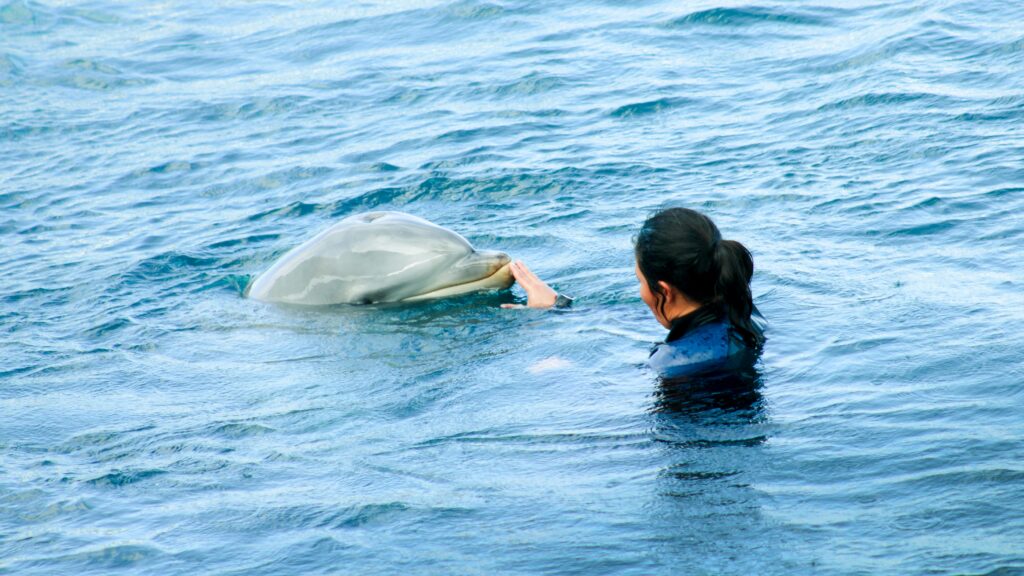
Sataya Dolphin House — entries, encounters and the morning lagoon
Our Best-Selling Itineraries
Each route hand-crafted by our team. Solo divers, groups, and full charters welcome.

Prepare for Your Trip
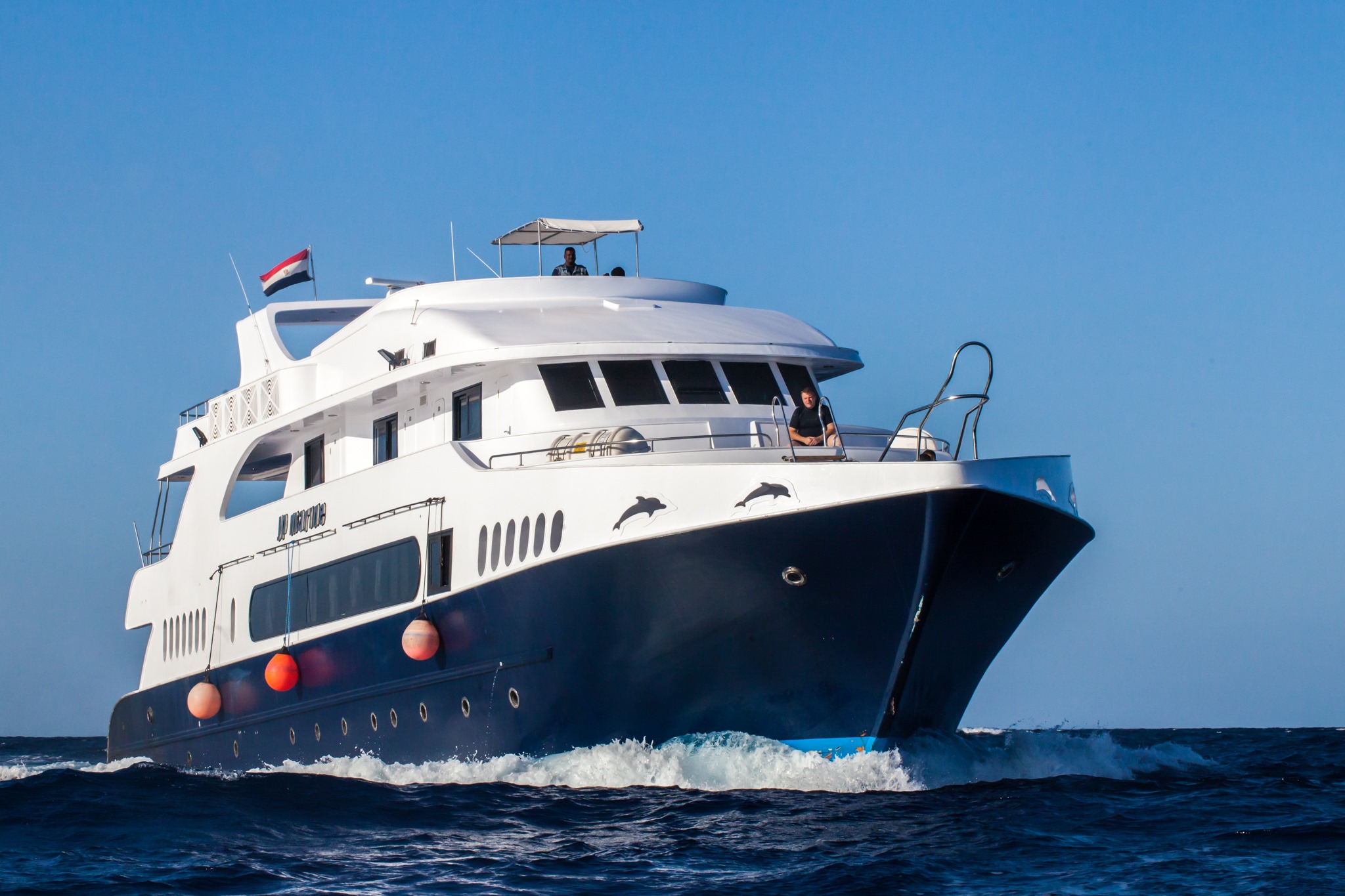
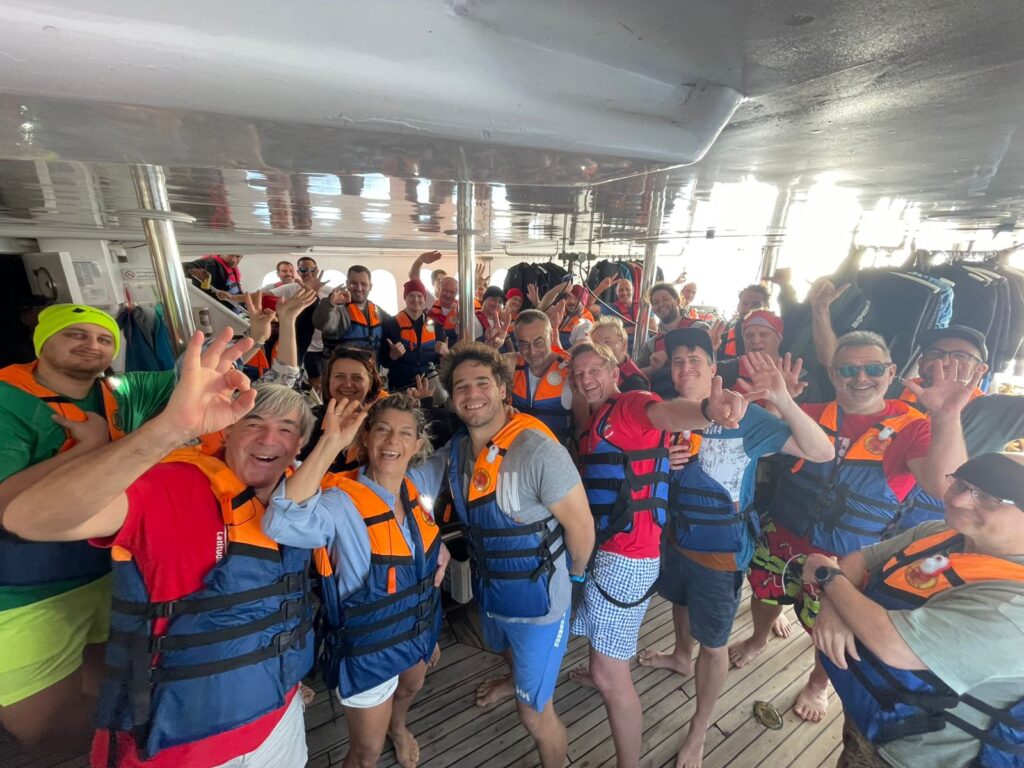
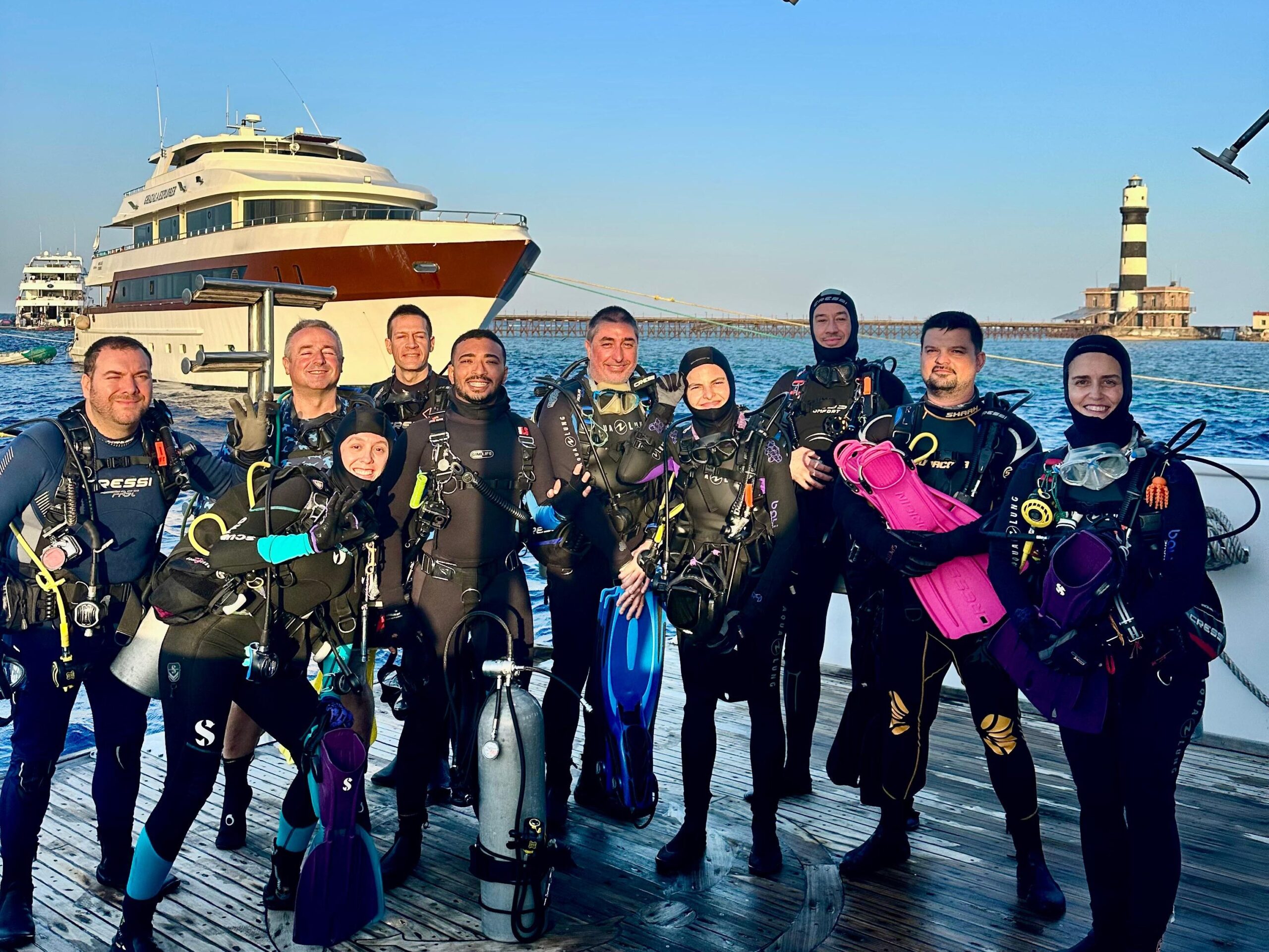
MY JPMarine — in business since 1999 · Southern Red Sea
Your Safety is Our Standard
MY JPMarine — built and maintained to the highest safety standards

Continue Reading
FAQ
Questions we get every week
Are dolphin encounters at Sataya guaranteed?
Can non-certified guests snorkel at Sataya?
What time does the entry at Sataya happen?
Why is it called Dolphin House?
Which itinerary gives the most time at Sataya?
Can I touch or feed the dolphins?
Snorkel Sataya — Check Dates Aboard MY JPMarine
Book directly — no agency fees, no hidden costs.
Or email us: info@divesafarimaster.com