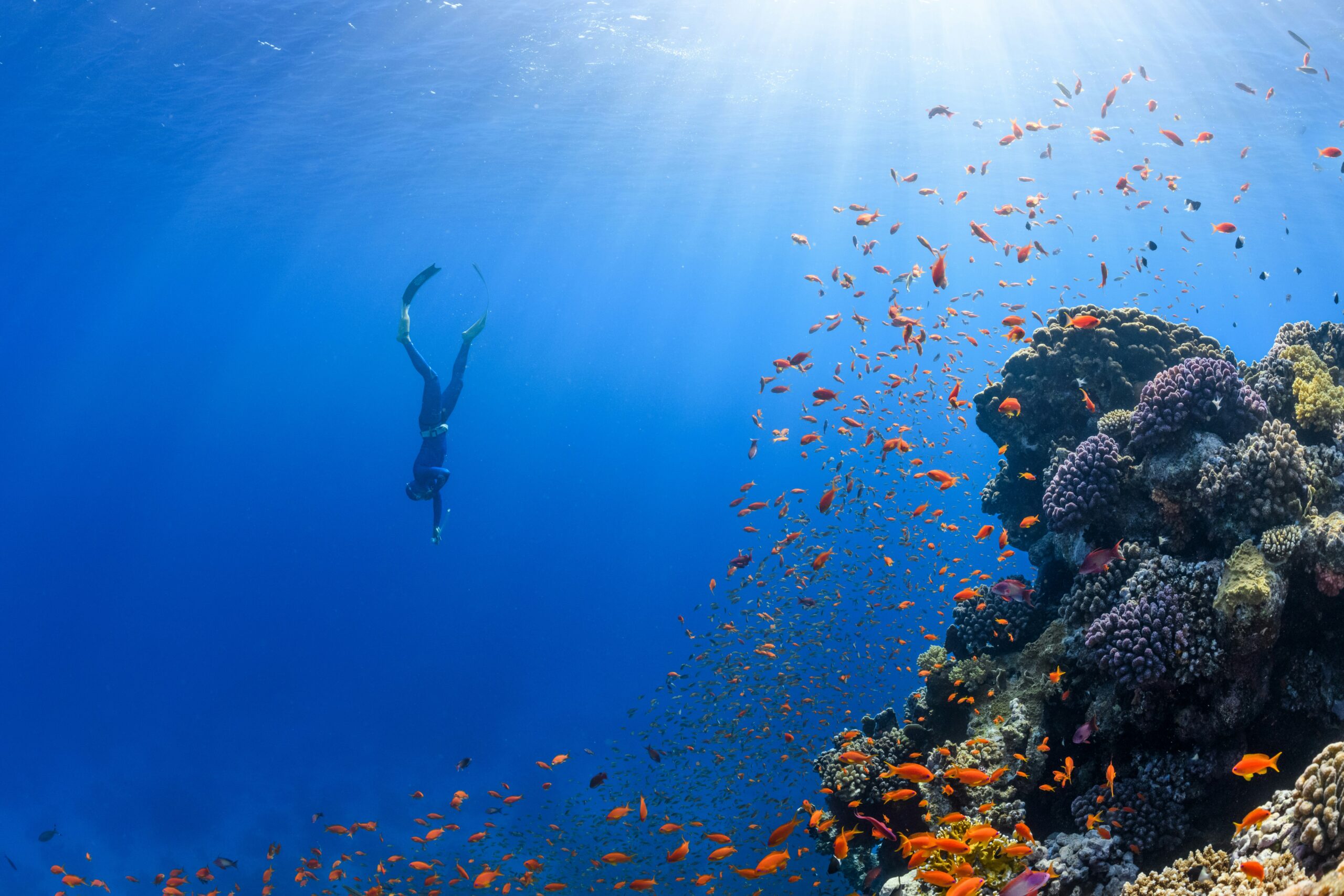
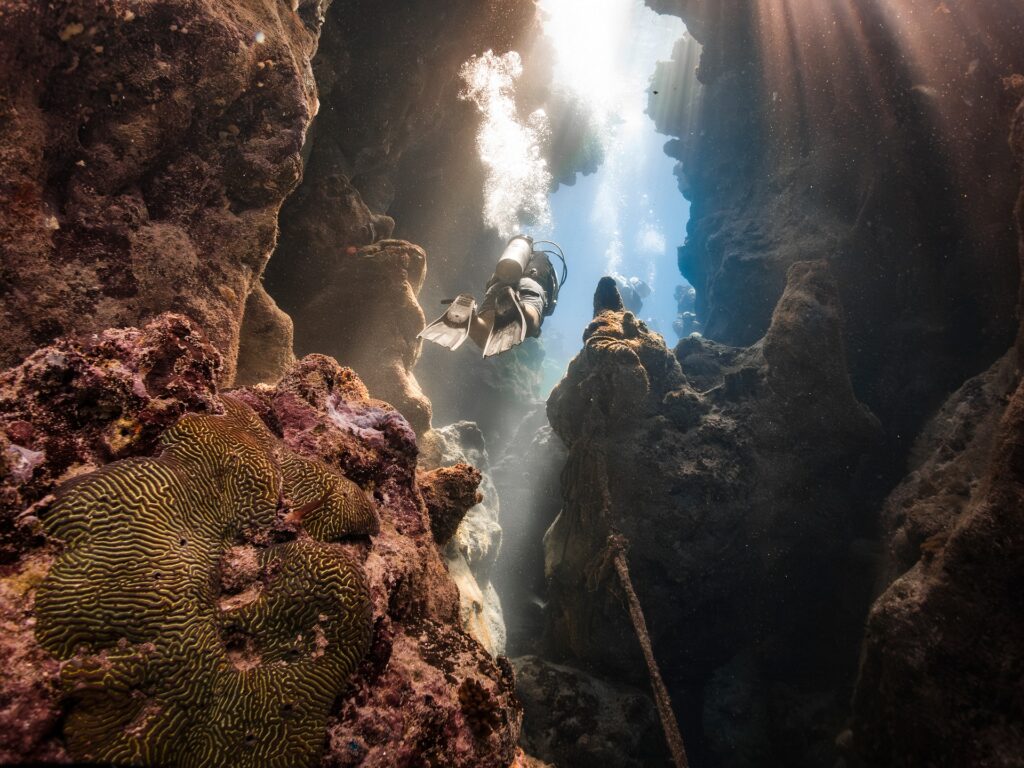
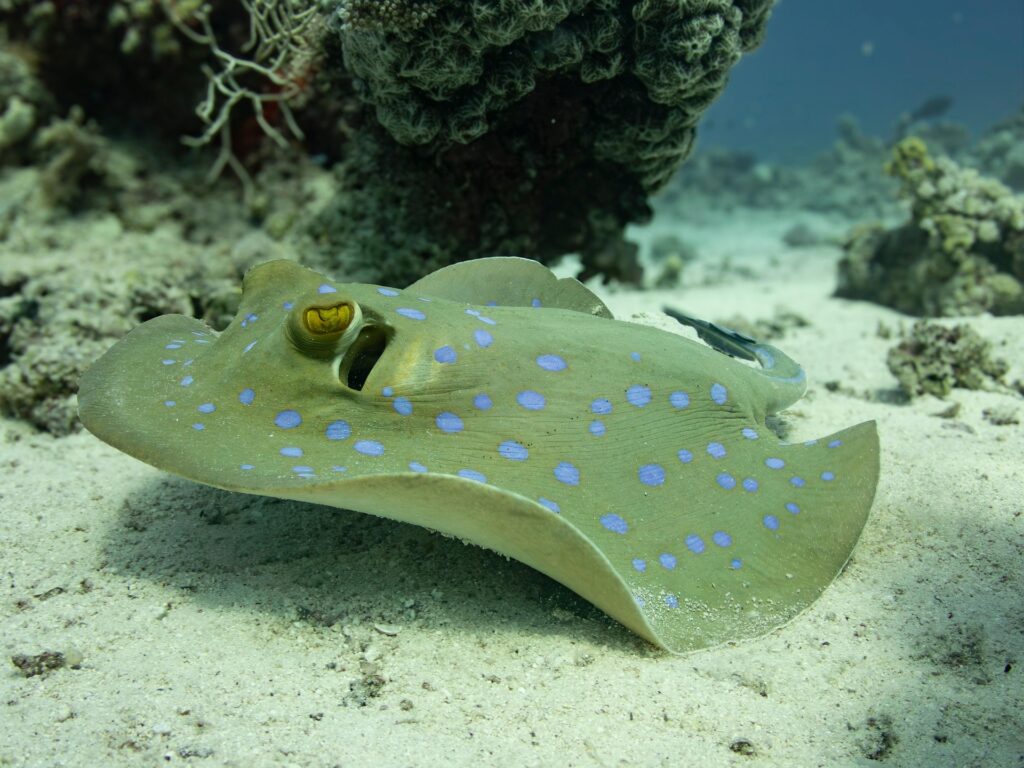
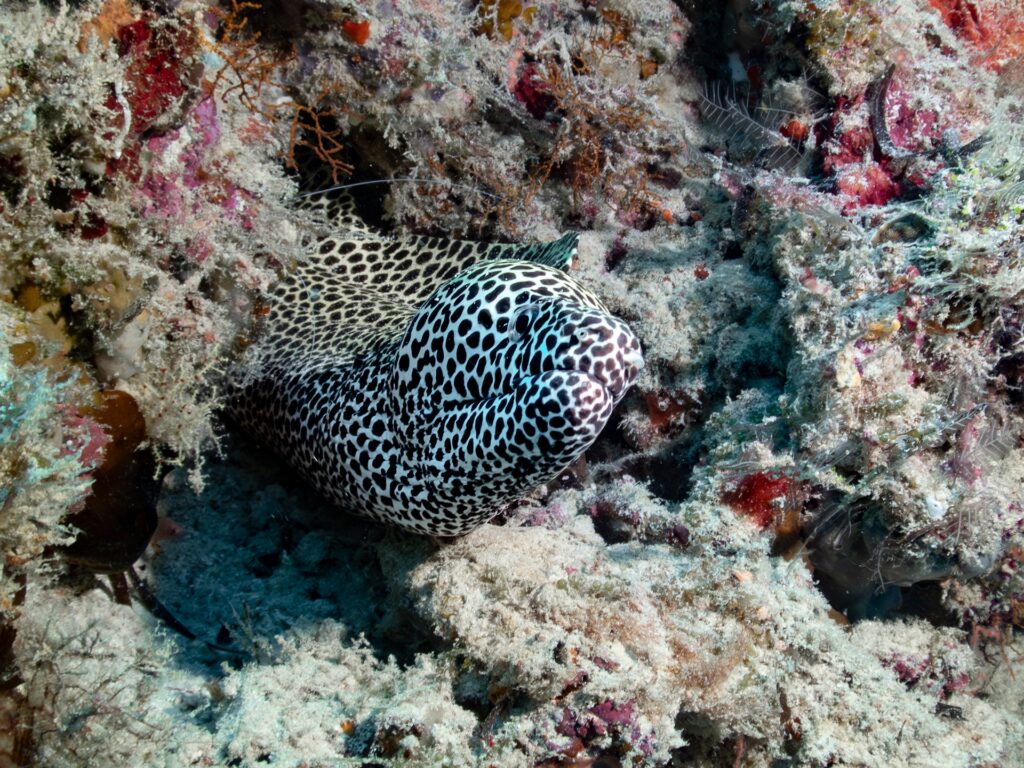
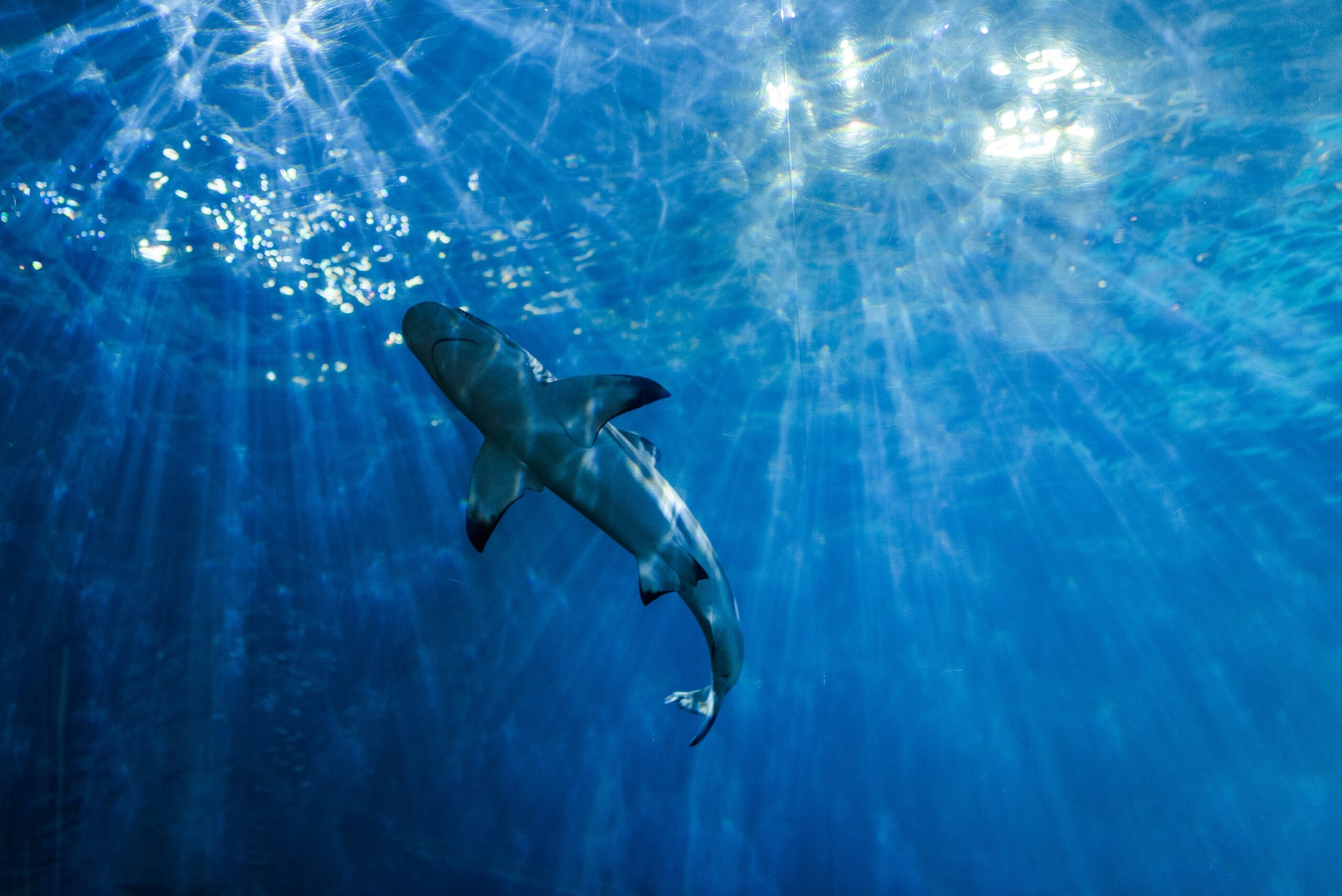
We have been diving, operating and watching this ocean since 1999. Conservation is not a section on our website — it is how we run every departure, in partnership with the organisations that are doing the real work.
“Daedalus Reef and Brothers Islands are still worth diving today in part because operators who follow the rules have been consistent about it.”
Every water activity organised by DiveSafariMaster operates under the strict supervision of HEPCA — the Hurghada Environmental Protection and Conservation Association — and CDWS, Egypt’s Chamber of Diving and Water Sports.
For 25 years we have operated within these frameworks because we understand what happens to the sites when operators ignore them.
🌊 HEPCA
Hurghada Environmental Protection and Conservation Association
All offshore access uses HEPCA-designated mooring buoys. No anchoring on reef — ever. Night diving restrictions at protected sites strictly observed.
📋 CDWS
Chamber of Diving and Water Sports
All permits current and legal through CDWS. Every departure operates with full legal compliance — not because it is required, but because it protects the reef.
Every week, without exception
What this means on every departure
Rule
What we do
🚫 No anchoring on reef
All offshore access uses HEPCA-designated mooring buoys only.
🚫 No feeding
Fish or sharks. No exception, no compromise.
👥 Group size limits
Group size at shark sites strictly observed as per HEPCA guidelines.
🌙 Night dive restrictions
No night diving at sites where HEPCA prohibits it.
📄 All permits current
All permits legal and current through CDWS on every departure.
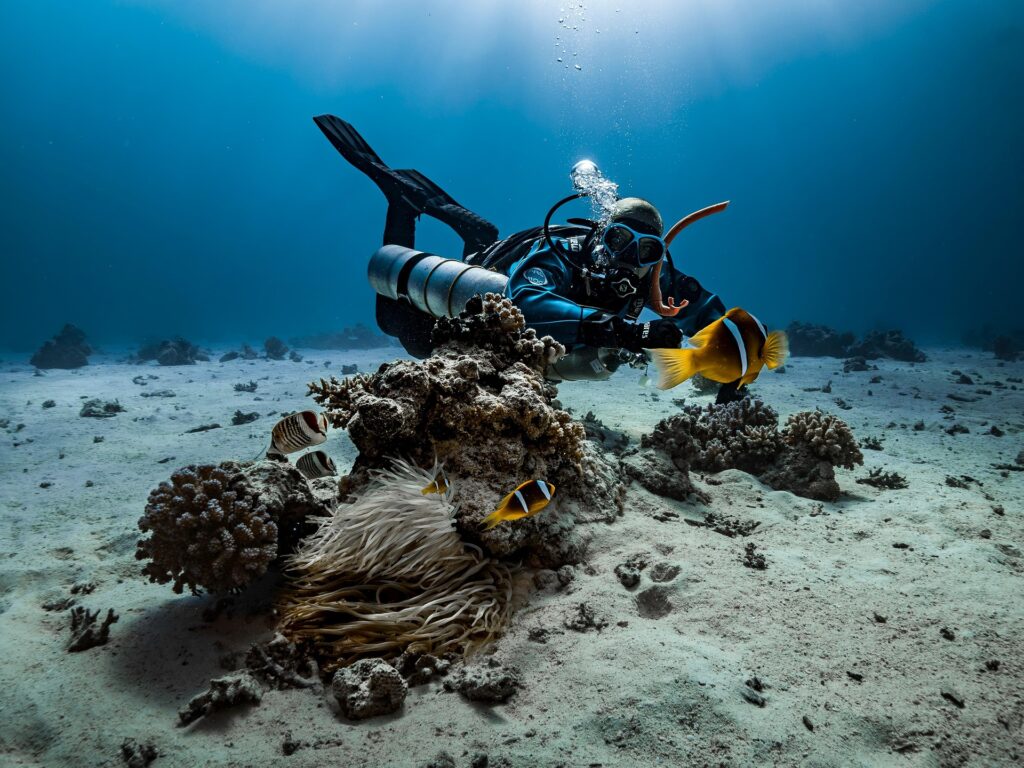
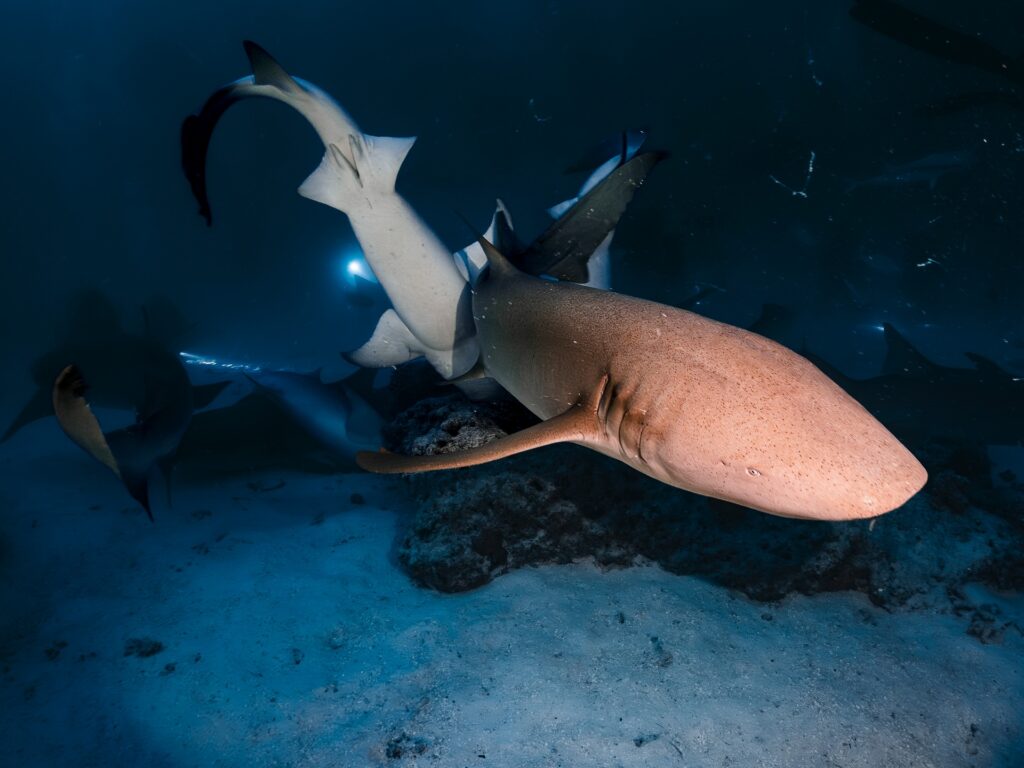
Photos aboard MY JPMarine — by Franziska Stier
Science-based protocol
Shark diving guided by 20 years of field research
“
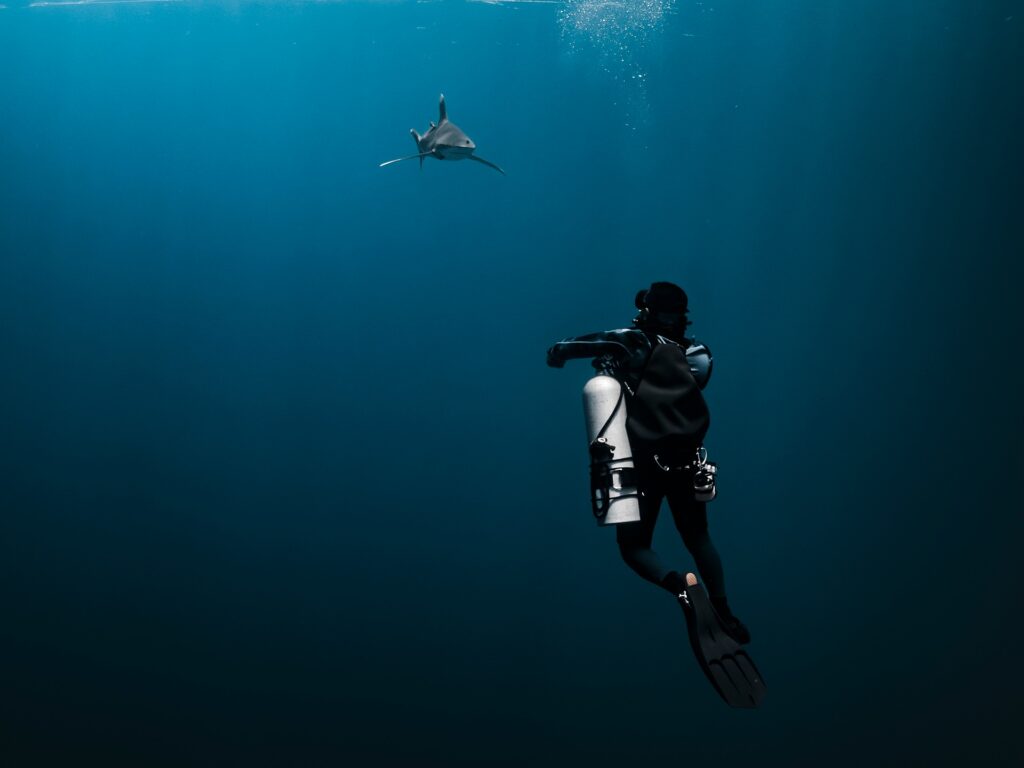
“All shark dives aboard MY JPMarine follow the behavioural safety protocol developed by Dr Elke Bojanowski — 20 years of direct field research at Elphinstone, Daedalus and Brothers Islands. That research is what keeps our guests safe and the sharks undisturbed.”
— MY JPMarine Dive Team
🔬 Dr Elke Bojanowski
Founder of the Red Sea Sharks Trust and leading shark researcher in the Egyptian Red Sea since 2004. Her photo-identification programme of oceanic whitetip, grey reef and silky sharks has been running since 2010.
📍 The three sites
Elphinstone, Daedalus and Brothers Islands — the specific offshore reefs where the protocol was developed and where we dive every week. Not generic guidelines: research from these exact sites.
🌐 redseasharks.org
The protocol is published and openly available. We follow it because it is the right way to dive with sharks — not because it is required. Read the full protocol →
How we dive
Our three principles
Three rules that apply on every shark dive, every week, without exception.
🚫
Natural encounter only
We never use bait, chum or any attractant to bring sharks to divers. Encounters happen because the animal chooses to approach. This is the only ethical way to dive with sharks.
🤝
Nothing disturbs the animal
No touching. No chasing. No blocking a shark’s path. Every diver is briefed on positioning and signals before entering the water at every shark site.
📋
We report what we see
Unusual behaviour, new individuals, unusual aggregations — all observations are shared with local and international shark research organisations.
We believe in giving back as much as we take from the ocean. Every diver who comes aboard can make a real impact. Master your buoyancy before you approach the reef — coral that took 50 years to grow breaks in one fin kick. Nothing leaves the reef. No touching, no collecting, no feeding. Minimise plastic use aboard. Small choices across thousands of departures add up.
Aboard MY JPMarine
What we also do
♻️ Approaching zero plastic
Water boilers and reusable thermoses aboard. We encourage all guests to use them throughout the week. Single-use plastic bottles are not the default — they are the exception.
🥗 Local food supply only
We source from local farmers and a short supply circle. This reduces transport emissions and supports Egyptian agricultural producers directly.
🚐 Group transfers
We prioritise group transfers to reduce fuel consumption per guest. Individual transfers are minimised. Airport transfers included — within the defined timeframe from Hurghada airport.
👥 Local crew — long-term
Official salaries and insurance for all crew. Our captain and mechanics have worked with us for more than 20 years. Supporting the local community is part of how we operate — not an afterthought.
Photos aboard MY JPMarine — by Franziska Stier
We work with
Partner organisations
We actively support the conservation and research organisations doing the work on the water.
Red Sea Sharks Trust
Dr Elke Bojanowski · Egypt
Shark Research
The organisation behind the behavioural protocol we follow on every shark dive. Dr Bojanowski’s photo-identification research at Elphinstone, Daedalus and Brothers Islands has been running since 2010.
Global shark conservation organisation turning fear of sharks into fascination — through education, media, advocacy and direct conservation action. Active in 60+ countries.
Working to safeguard the future of sharks through science, education, influence and action. UK-based with global reach across legislation and conservation policy.
Spanish conservation organisation focused on coral reef restoration and awareness. Mission: to recover what has been lost and stop the decline of coral ecosystems through education, direct action and community building.
Are you working on something we should know about?
We are in active negotiation on multiple upcoming initiatives and remain open to all opportunities. If you represent a research organisation, marine conservation NGO, awareness project or educational initiative and would like to discuss collaboration — we want to hear from you.
What we can offer a partner
🚢 Liveaboard access to the southern Red Sea
🔬 Data collection trips aboard MY JPMarine
📚 25 years of operational knowledge of the Egyptian Red Sea
🤝 Long-term relationship with HEPCA, CDWS and local stakeholders
No. We never use bait, chum or any attractant. All encounters happen because the shark chooses to approach — this is the only ethical way to dive with sharks, and it is how the protocol developed by Dr Elke Bojanowski at redseasharks.org defines these dives.
What is HEPCA and why does it matter for my dive trip?
HEPCA — Hurghada Environmental Protection and Conservation Association — is the regulatory body overseeing environmental standards for all marine operations in the Egyptian Red Sea. Membership means we use designated mooring buoys (no anchoring on reef), observe group size limits at shark sites, and follow all site-specific rules including night dive restrictions. Not all operators are HEPCA members — we are, and we follow the rules on every departure.
What can I do as a diver to protect the reef?
Three things make the biggest difference: master your buoyancy before approaching the reef (coral that took 50 years to grow breaks in one fin kick), leave everything exactly as you found it (nothing leaves the reef — no touching, collecting or feeding), and minimise single-use plastic during the week. We have water boilers and reusable thermoses aboard — use them.
Is it safe to dive with sharks?
Yes, when done correctly. Every diver receives a full shark briefing before entering the water at each shark site — covering species behaviour, correct positioning, and safety signals. The protocol we follow was developed by Dr Elke Bojanowski based on 20 years of direct field research at Elphinstone, Daedalus and Brothers Islands. We have been running these dives since 1999.
How can a research organisation work with you?
Contact us directly at info@divesafarimaster.com or via WhatsApp. We are open to liveaboard access partnerships, data collection trips, and long-term collaboration. We have 25 years of operational knowledge of the Egyptian Red Sea and an established relationship with HEPCA, CDWS and local stakeholders.
Do you accept dive insurance from DAN or Dive Assure?
Yes. DAN Europe and Dive Assure are both accepted. Dive insurance is mandatory for all guests — details at divesafarimaster.com/all/insurance.
Dive with an operator that takes this seriously.
Every Saturday · Marsa Alam Marina · Book directly — no agency fees