


North vs South Red Sea Diving — Which Is Right for You
Two distinct diving regions — different species, different sites, different certification requirements. Here is how to choose.
MY JP Marine — we’re in business since 1999 · Southern Red Sea
North vs South — the core difference
The Red Sea is a single body of water with two completely different diving characters. The north — centred on Hurghada, Sharm el-Sheikh, and the Sinai — is defined by reef diving, wrecks, and calm conditions. The south — accessed by liveaboard from Marsa Alam — is defined by offshore marine parks, pelagic species, and sites that have no road access. The choice between them is not about one being better. It is about which one matches your certification, your target species, and how much offshore sailing you are willing to accept.
| Factor | North Red Sea | South Red Sea |
|---|---|---|
| Primary draw | Historic wrecks, coral reefs | Pelagic sharks, dolphins, mantas |
| Typical conditions | Calmer, more sheltered | Current, open water, exposed sites |
| Minimum certification | OWD for most sites | OWD (Pelagic Trail) or AOWD (BDE) |
| Access | Day trips possible for most sites | Liveaboard only for offshore parks |
| Key species | Lionfish, moray eels, Napoleon wrasse | Hammerheads, oceanic whitetips, thresher sharks, spinner dolphins |
| Best for | Wreck divers, beginners, reef photographers | Pelagic divers, shark divers, experienced divers |
| Sailing time offshore | Minimal | 4–10 hours to key sites |
| DiveSafariMaster operates | — | ✔️ 4 itineraries, departing Hurghada |
MY JPMarine operates exclusively in the southern Red Sea, departing Hurghada Saturday–Saturday. Everything below covers the south in detail — and where to position the north for comparison.
North Red Sea diving — what to expect
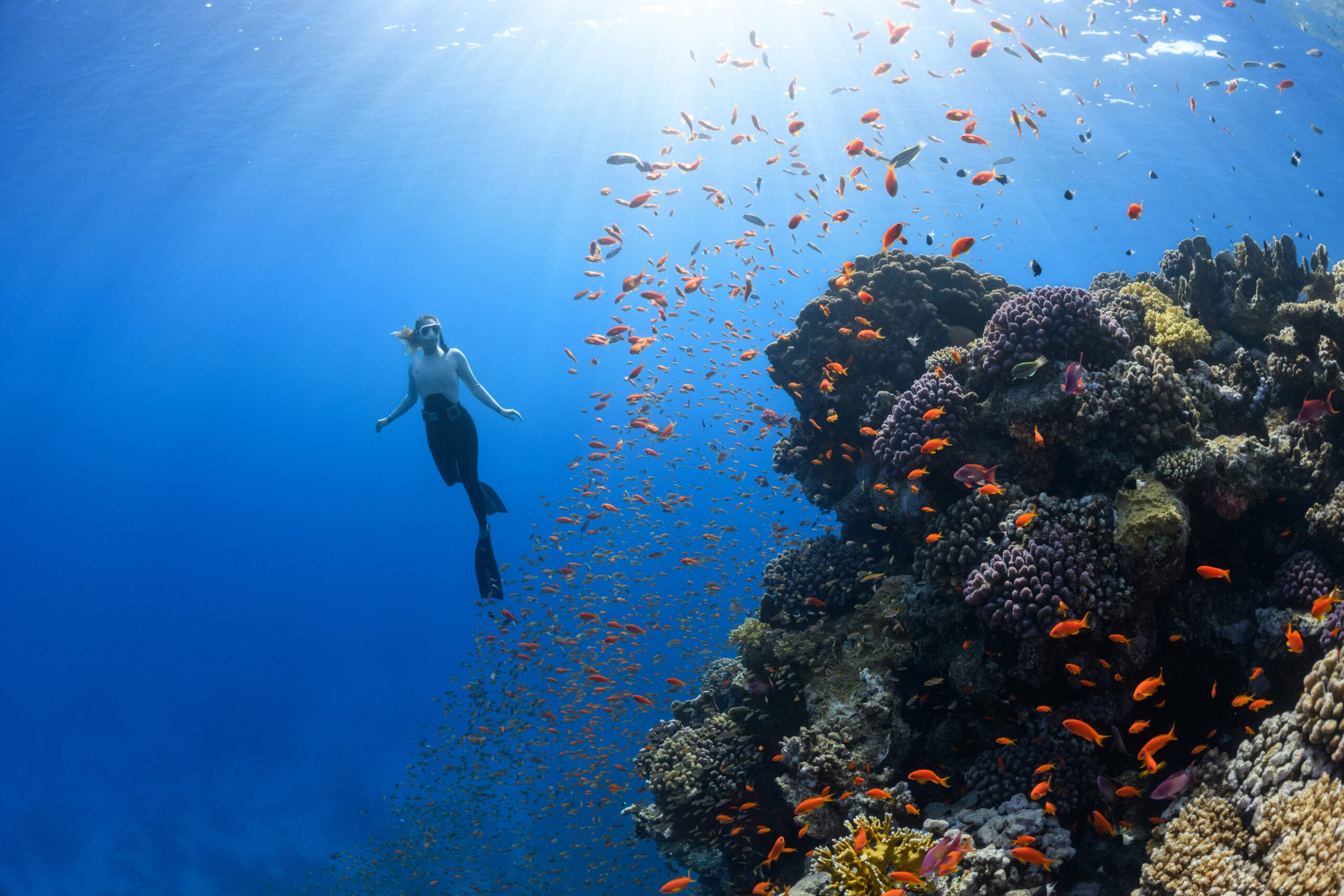
The north is built around two things: historic wrecks and accessible reef diving. The SS Thistlegorm, Dunraven, and Abu Nuhas wrecks are among the most-dived wrecks in the world and all sit within day-trip range of Sharm el-Sheikh or Hurghada. Reef structures in the north are generally shallower and more forgiving of current variation — conditions that suit OWD-certified divers building experience.
✔️ Best-known sites: SS Thistlegorm, Ras Mohammed, Shark Reef, Ras Abu Galum
✔️ Access: day boats from Sharm el-Sheikh or Hurghada for most sites
✔️ Conditions: calmer, shallower, lower current exposure
✔️ Species: reef fish, Napoleon wrasse, moray eels, occasional grey reef shark
✔️ Certification: OWD sufficient for the majority of dives
✔️ What it lacks: consistent pelagic encounters, offshore marine parks, dolphin and shark aggregations
If your primary goal is wrecks, the north is the correct choice. If your primary goal is pelagic sharks or dolphins, the north will not deliver that reliably — the south is where those species aggregate.
South Red Sea diving — what to expect
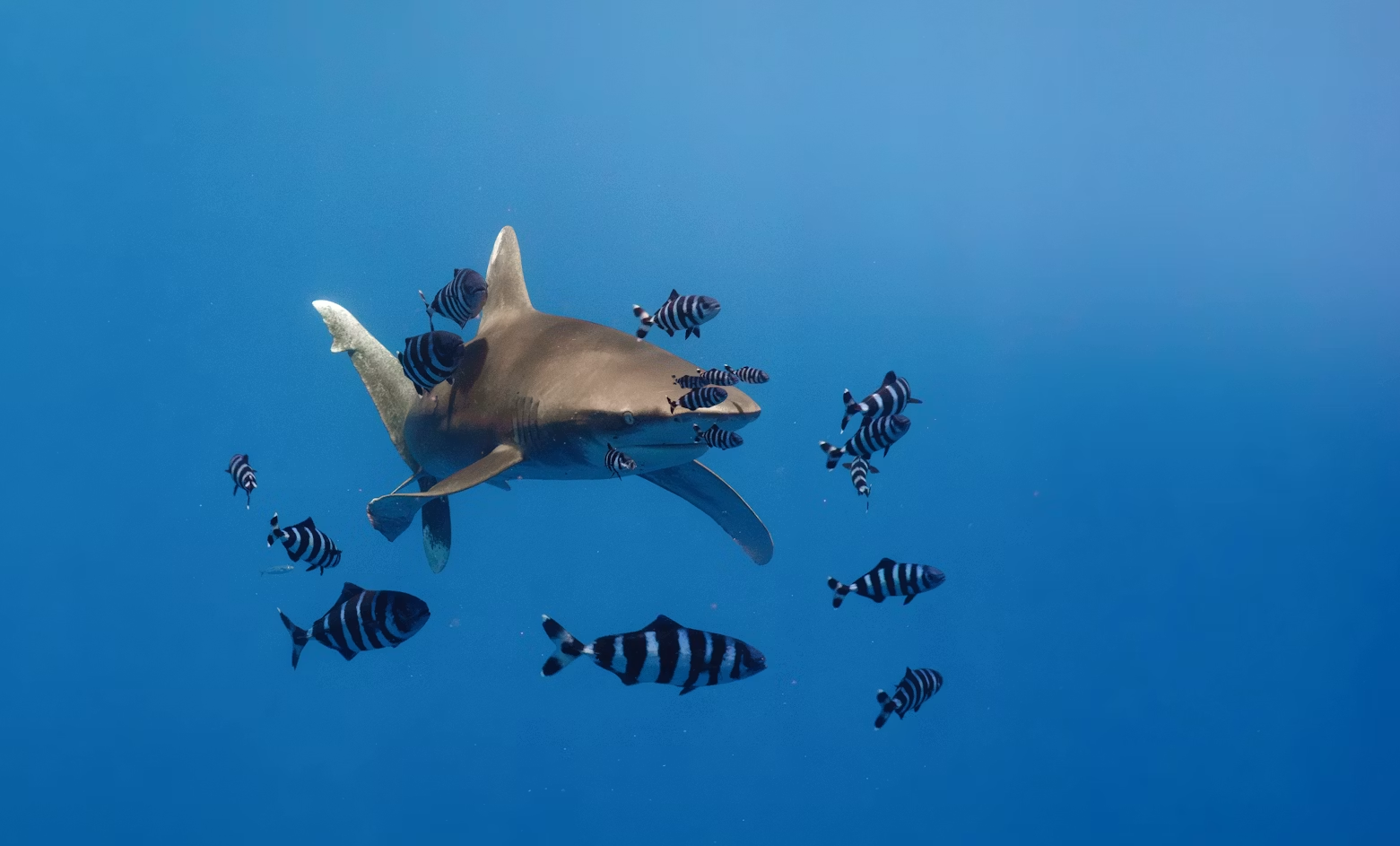
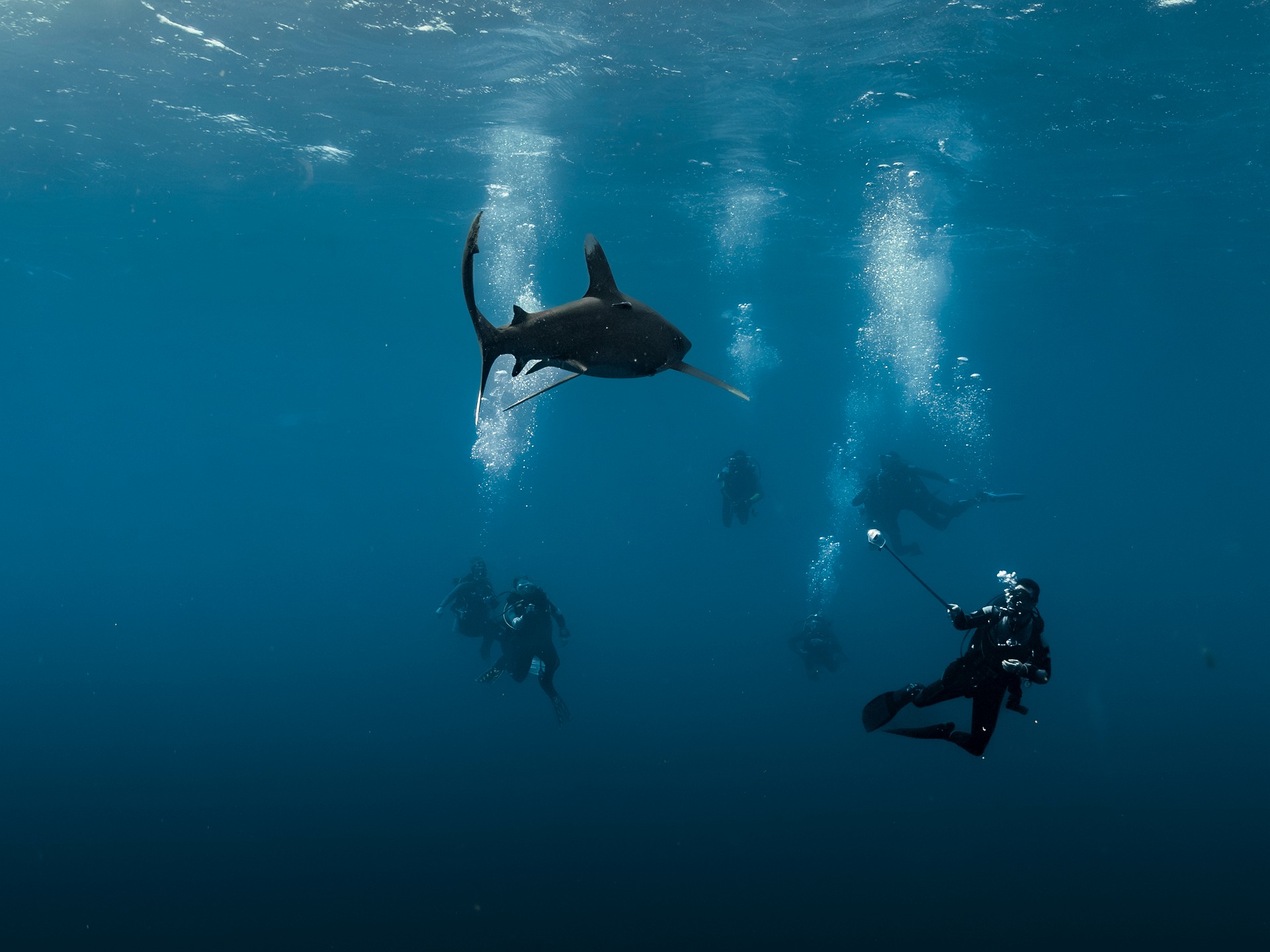
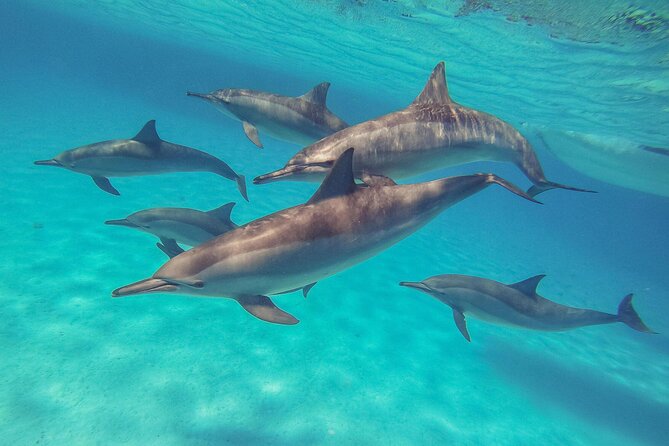
The south is defined by its offshore marine parks. Daedalus Reef, Brothers Islands, Elphinstone, Zabargad, Rocky Island, and Sataya are all protected areas with no road or shore access — the only way in is by liveaboard. The species list reflects that isolation: scalloped hammerheads, oceanic whitetip sharks, thresher sharks, silky sharks, spinner dolphins, and manta rays all appear regularly across the southern routes.
| Site | Region | Key species | Access |
|---|---|---|---|
| Brothers Islands | Southern Red Sea | Thresher sharks, oceanic whitetips, grey reef sharks | Liveaboard only |
| Daedalus Reef | Southern Red Sea | Hammerheads, silky sharks, grey reef sharks | Liveaboard only |
| Elphinstone | Southern Red Sea | Oceanic whitetips, grey reef sharks | Liveaboard only |
| Zabargad Island | Far southern Red Sea | Hammerheads, manta rays, eagle rays | Liveaboard only |
| Rocky Island | Far southern Red Sea | Hammerheads, silky sharks, barracuda | Liveaboard only |
| Sataya | Southern Red Sea | Spinner dolphins — night dive possible | Liveaboard only |
The offshore position of these sites means conditions vary. Currents at Brothers Islands and Daedalus can be strong — this is not sheltered reef diving. Experience matters, and certification requirements reflect that. Two of our four southern itineraries accept OWD-certified divers; the other two require AOWD.
Which itinerary fits your level
The decision between itineraries comes down to three questions: what certification do you hold, which species do you want to see, and how many offshore hours are you comfortable with. The table below maps this directly.
| Your profile | Recommended itinerary | Why |
|---|---|---|
| OWD, want sharks and dolphins | Pelagic Trail | Accepts OWD + 50 dives. Daedalus, Zabargad, Rocky Island — hammerheads, dolphins, manta rays |
| OWD or AOWD, want variety — reefs + pelagics | Golden Mix | Combines reef sites with offshore pelagic stops. Two weeks of diving in one week. Final season 2026. |
| AOWD + 50 dives, want the full shark experience | BDE | Brothers, Daedalus, Elphinstone — thresher sharks, oceanic whitetips, hammerheads. Most demanding route. |
| AOWD, want remote — far south, fewer boats | Secrets of Zabargad | Zabargad Island, St Johns — deeper south, lower boat traffic, hammerheads and eagle rays |
Not sure which route suits you?
Check available dates or reach out — we answer quickly.
Or prefer email? info@divesafarimaster.com
Four southern routes compared
All four itineraries depart Hurghada, Saturday–Saturday. Airport transfers included — within the defined timeframe from Hurghada airport. The differences are in certification requirement, sites covered, and target species.
| Itinerary | Certification | Sites | Key species | From |
|---|---|---|---|---|
| Pelagic Trail | AOWD + 50 dives | Daedalus, Zabargad, Rocky Island | Hammerheads, dolphins, manta rays | 813 € |
| Golden Mix | AOWD | Reef + pelagic combination | Sharks, dolphins, reef species — Sataya night dive | 813 € |
| BDE | AOWD + 50 dives | Brothers, Daedalus, Elphinstone | Thresher sharks, oceanic whitetips, hammerheads | 813 € |
| Secrets of Zabargad | AOWD | Zabargad, St Johns | Hammerheads, eagle rays, remote reef diving | 813 € |
Upgrade to AOWD During Your Trip
PADI Advanced Open Water Diver courses run aboard MY JPMarine every week. Complete your certification mid-trip and unlock Brothers Islands, Daedalus, and Elphinstone on the same journey.
View Courses Aboard →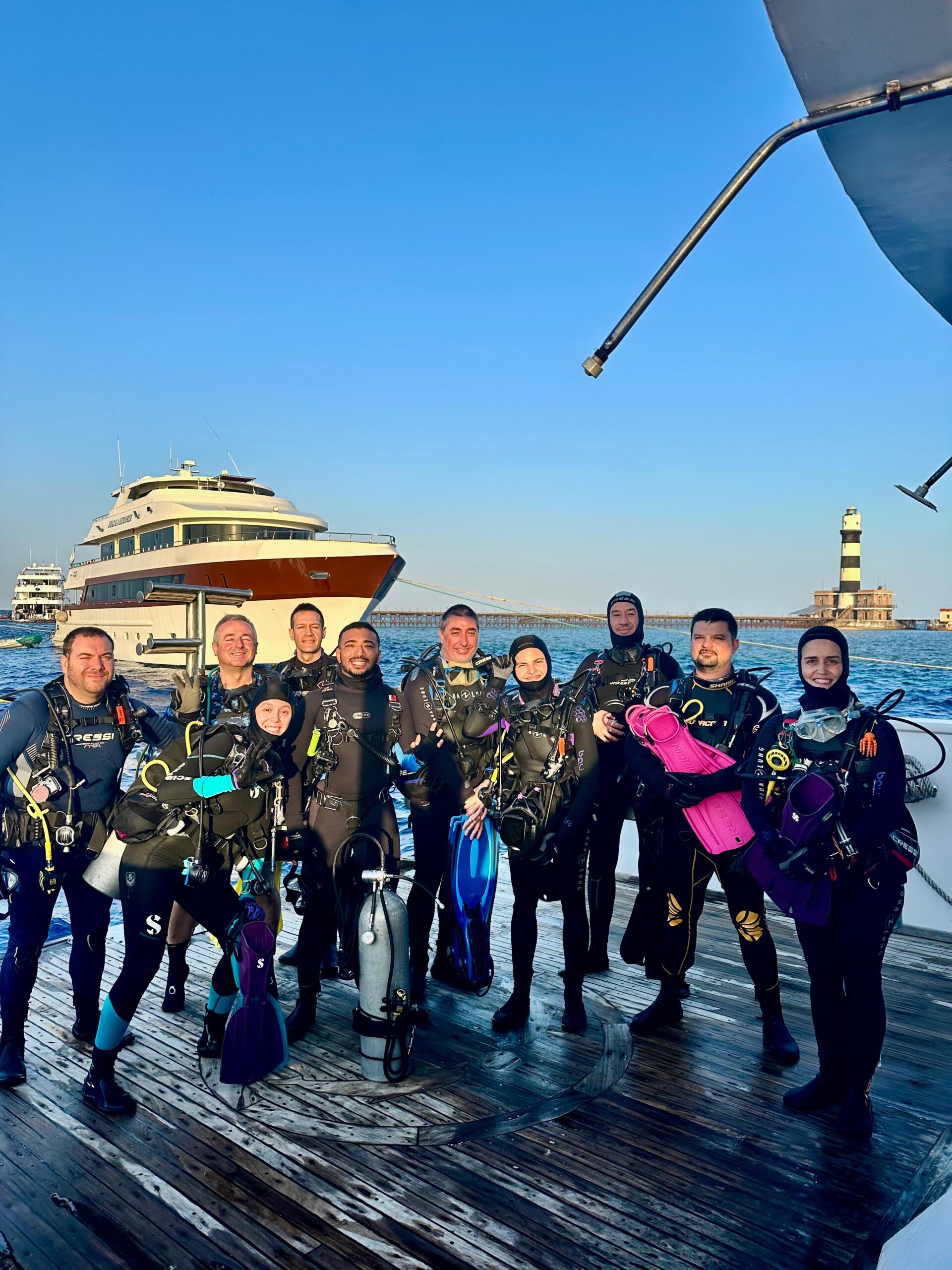
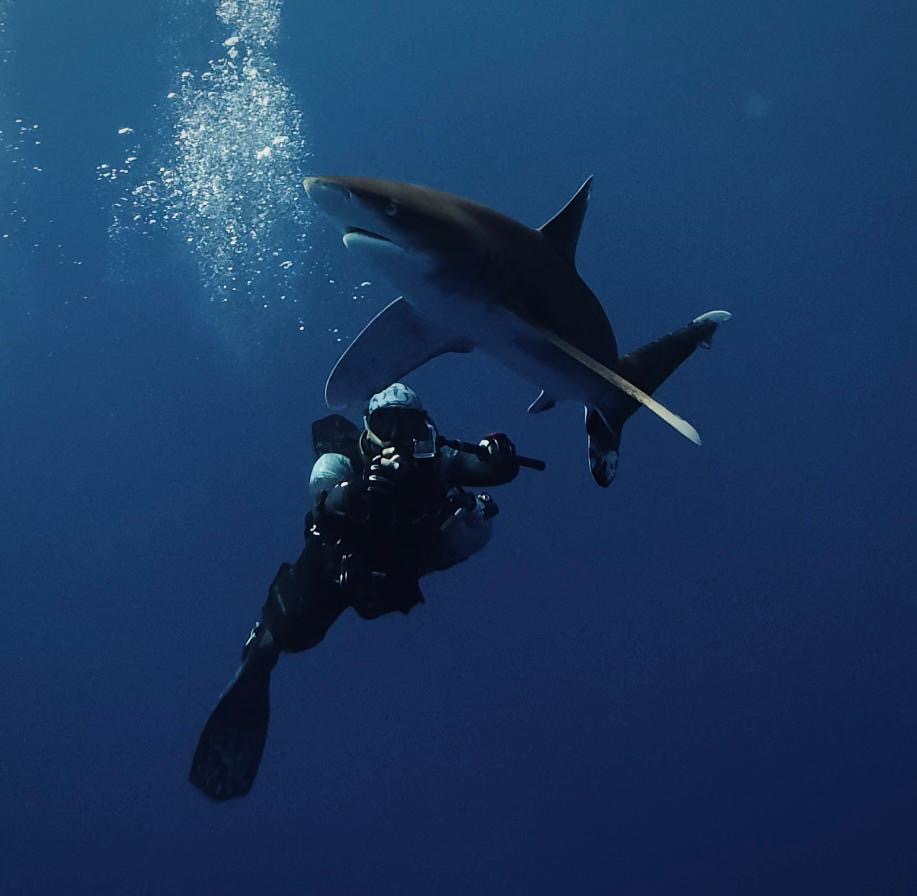
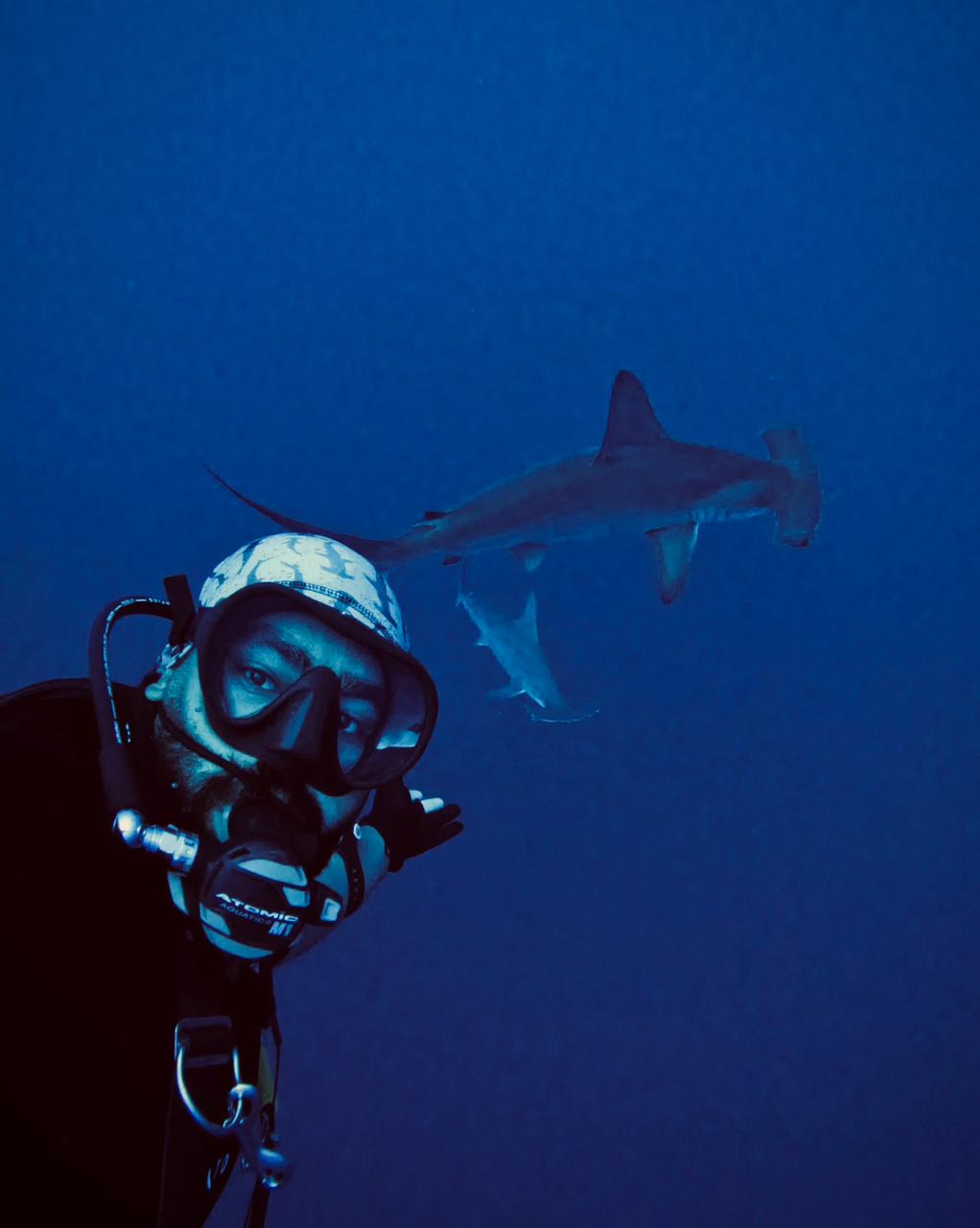
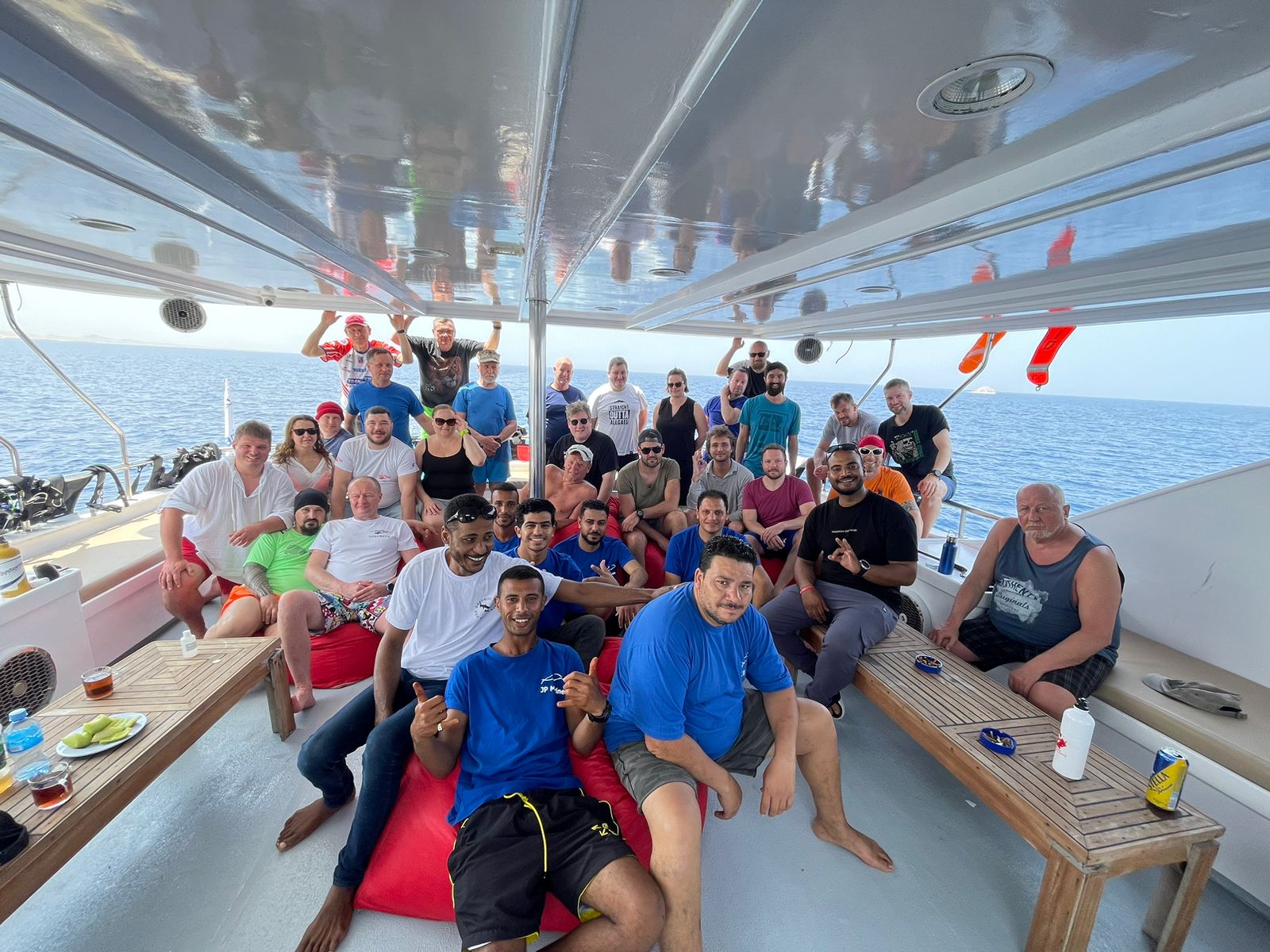
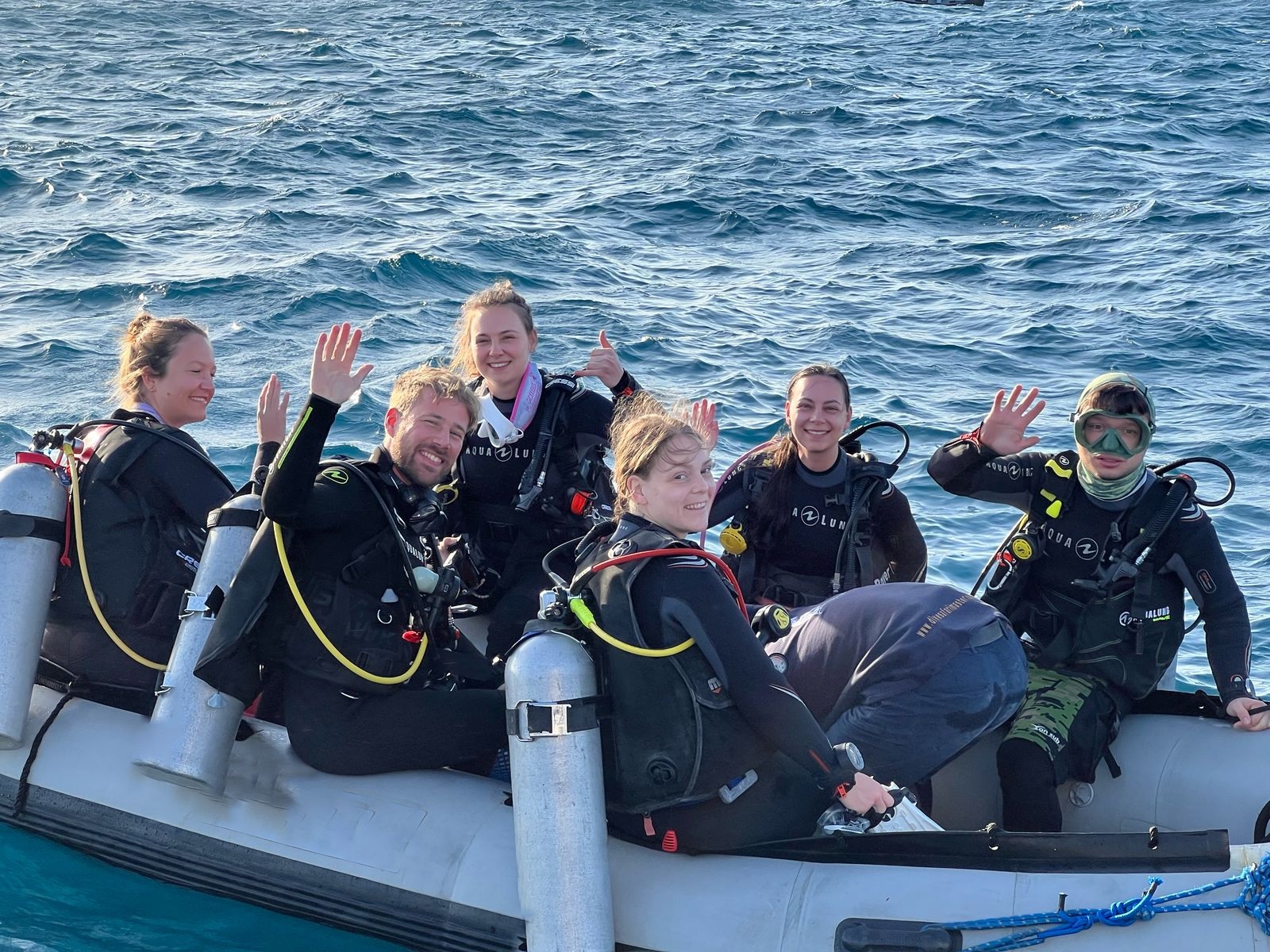
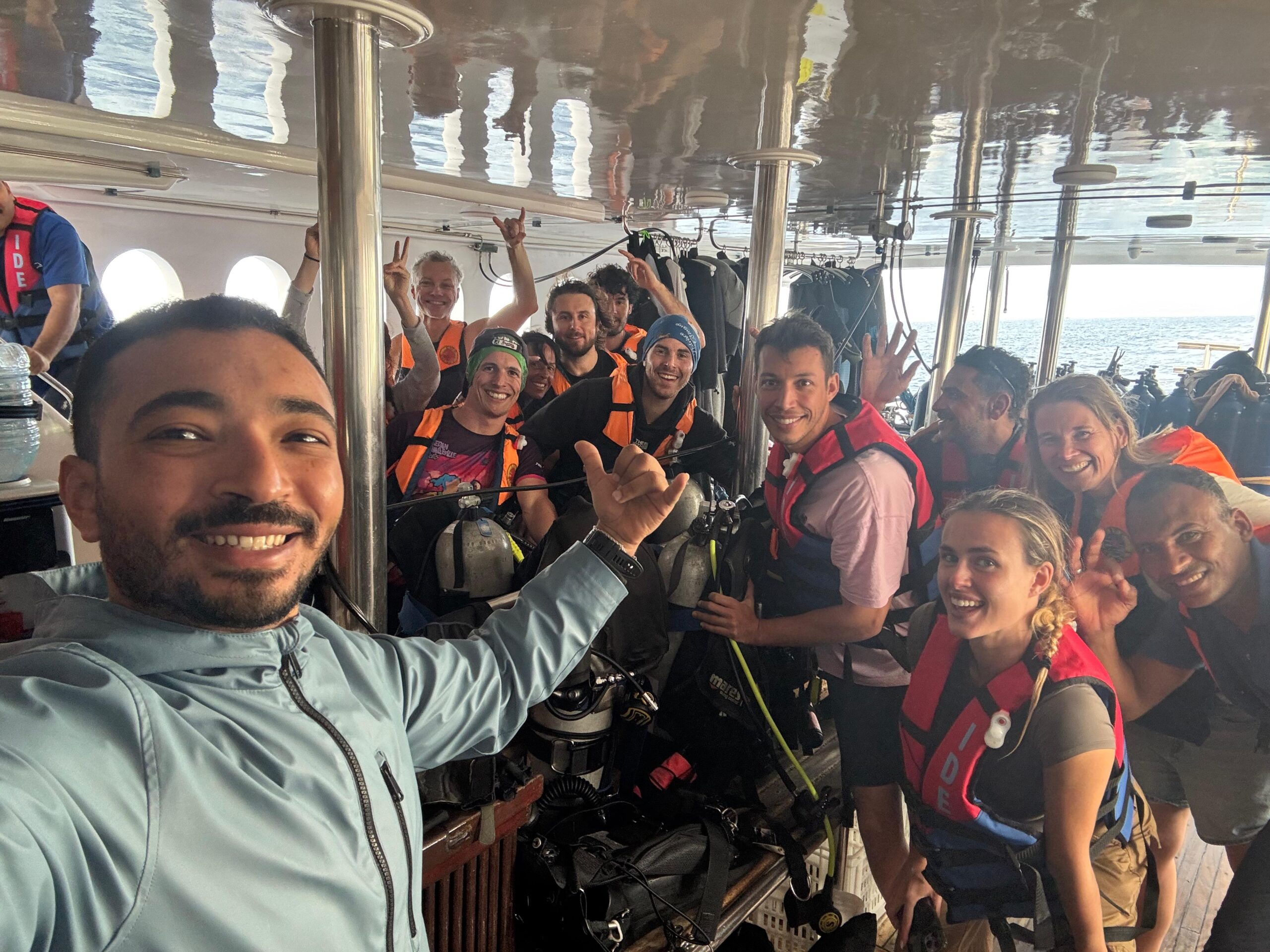
Briefings, descents and shark encounters — southern Red Sea, MY JPMarine
Our Best-Selling Itineraries
Each route hand-crafted by our team. Solo divers, groups, and full charters welcome.

Prepare for Your Trip
MY JP Marine — we’re in business since 1999 · Southern Red Sea
Your Safety is Our Standard
MY JPMarine — built and maintained to the highest safety standards

Continue Reading
FAQ
Questions we get every week
Can an Open Water diver go to the southern Red Sea?
What is the difference between the Pelagic Trail and Golden Mix?
Are there sharks in the north Red Sea?
Is Nitrox available on southern Red Sea liveaboards?
How many dives per week on a southern Red Sea liveaboard?
What certification do I need to upgrade to AOWD aboard?
Book a Southern Red Sea Liveaboard — Pelagic Trail or Golden Mix
Book directly — no agency fees, no hidden costs.
Or email us: info@divesafarimaster.com