


Can Open Water Divers Dive with Sharks in the Red Sea?
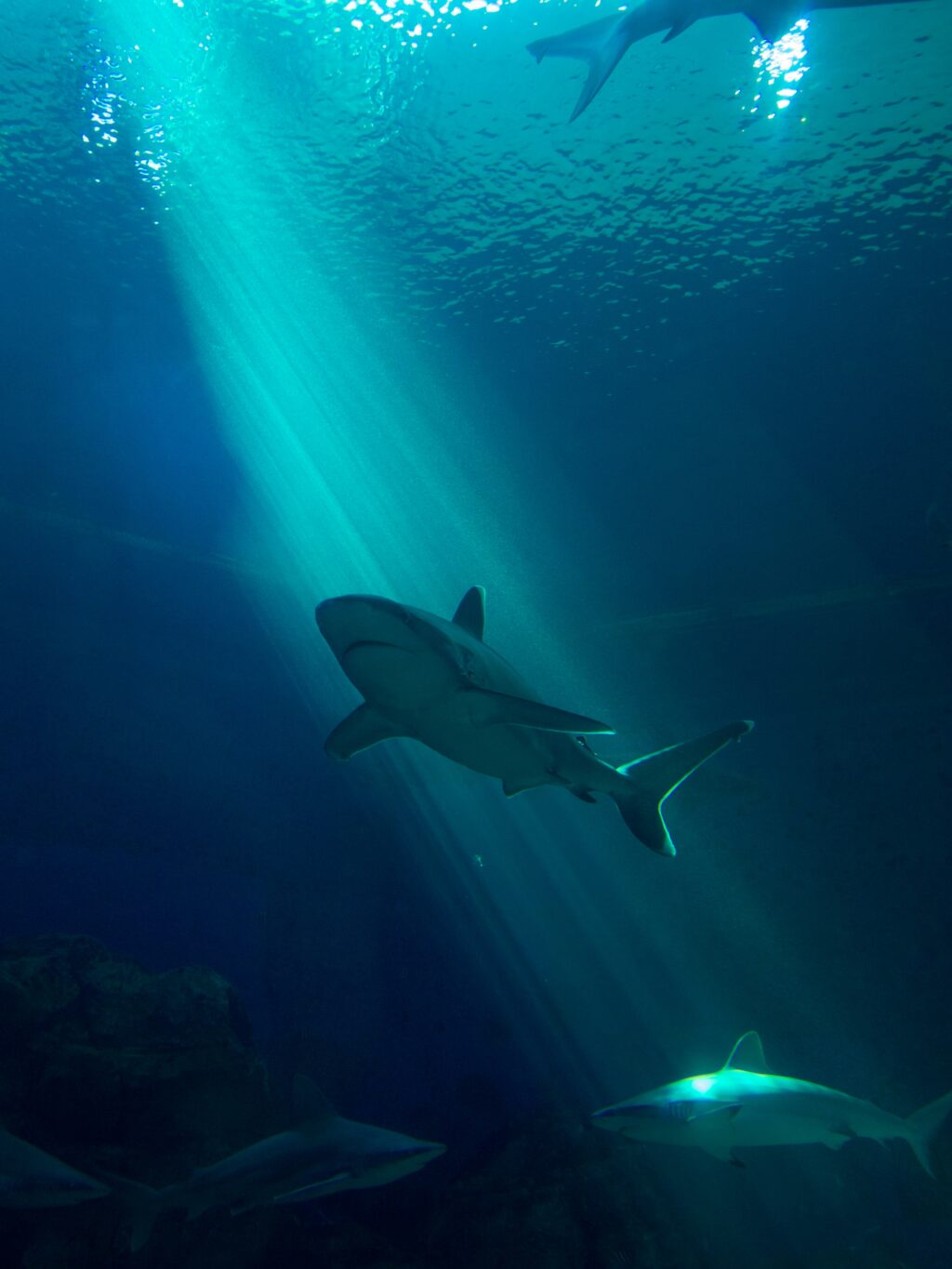
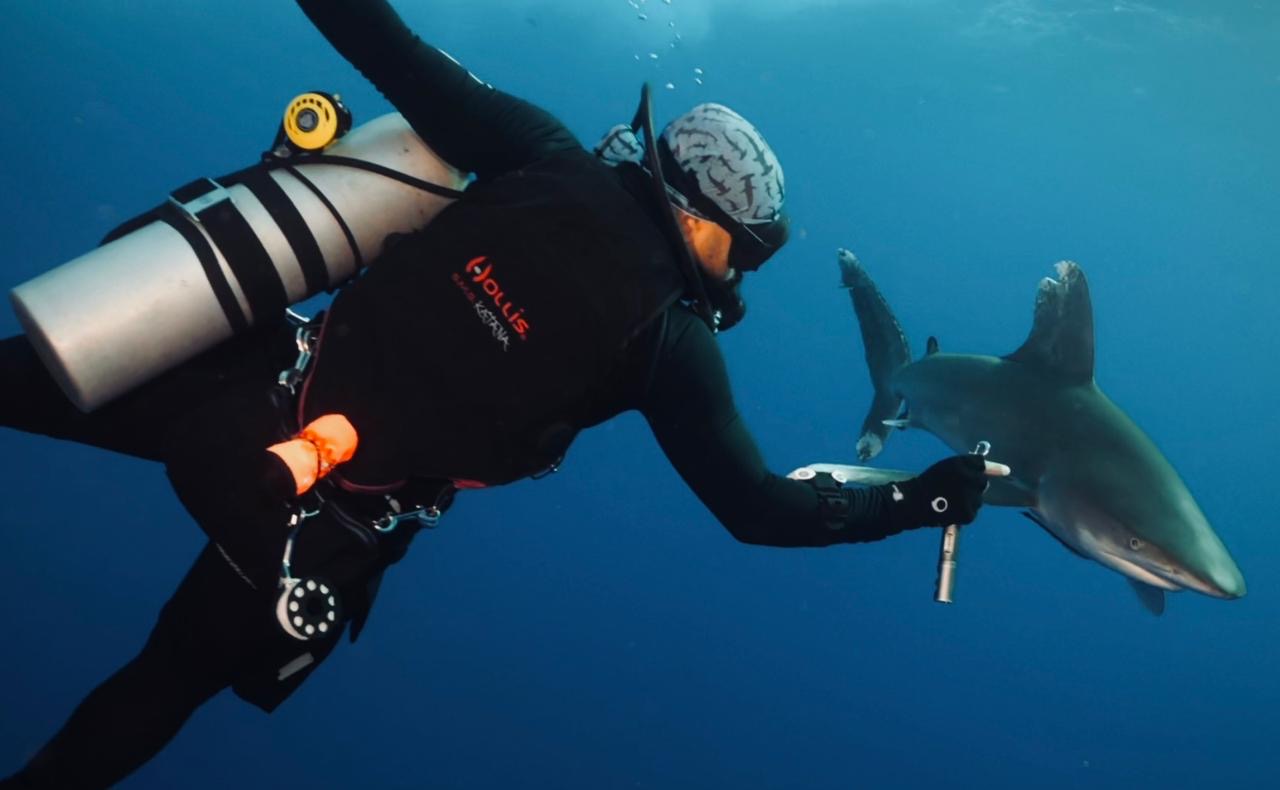
Yes. Four shark species patrol depths of 5–18 m in the southern Red Sea — within OWD limits. Here’s where to find them aboard MY JPMarine.
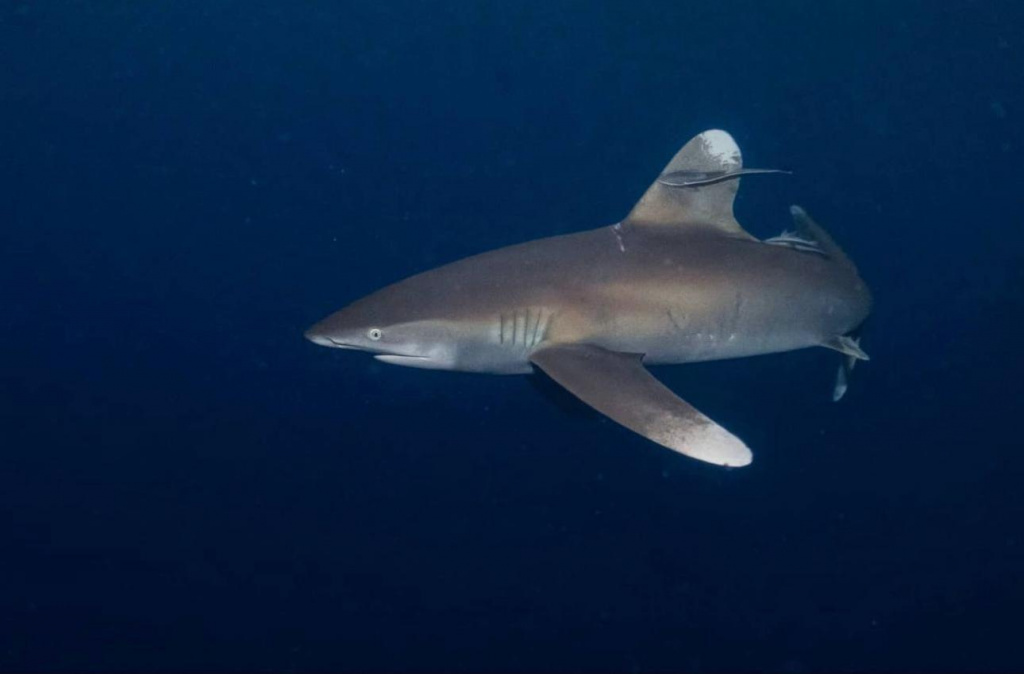
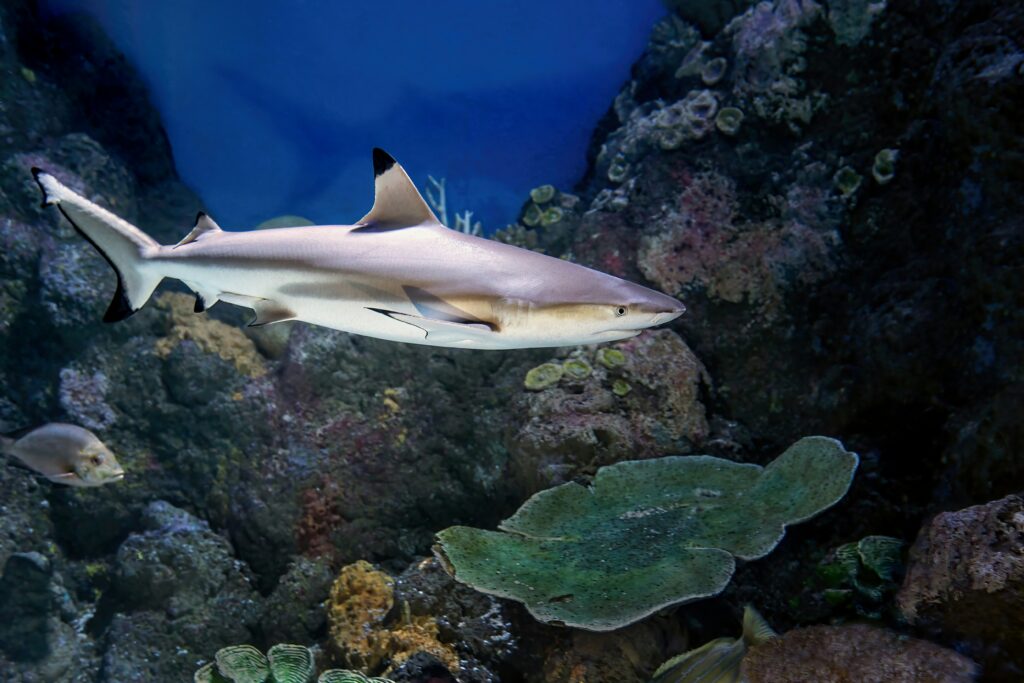
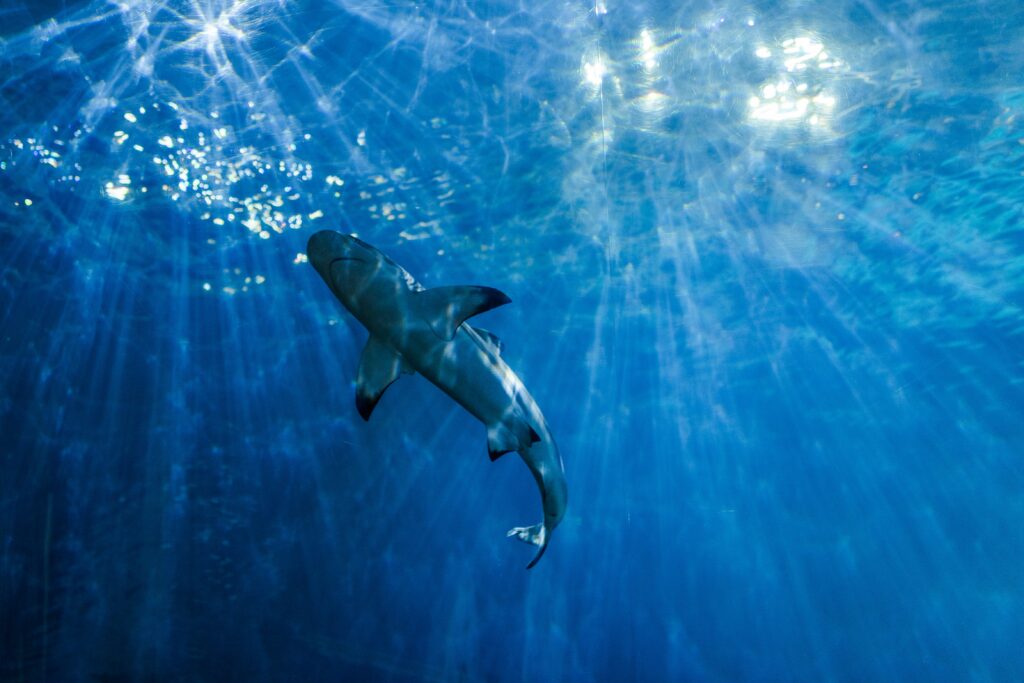
Sharks in the Red sea
Shark Species You Can See as an Open Water Diver
Open Water Divers are certified to 18 metres. Four shark species in the southern Red Sea patrol well within that limit.
| Species | Depth Range | Key Sites | Behaviour |
|---|---|---|---|
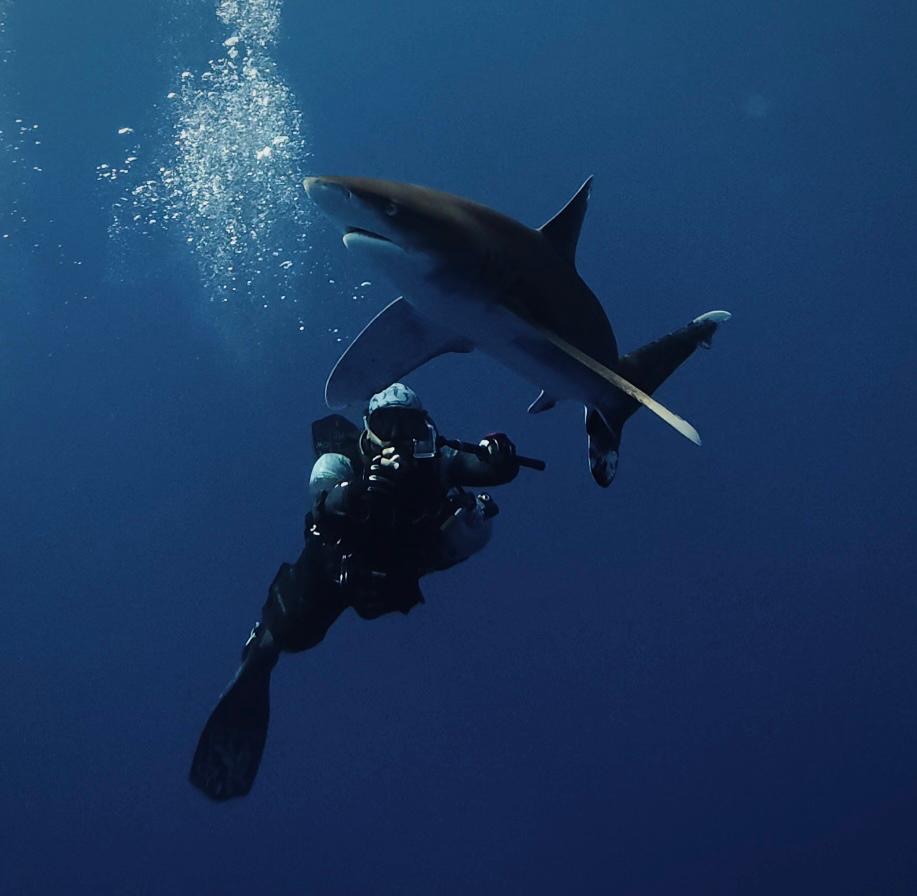
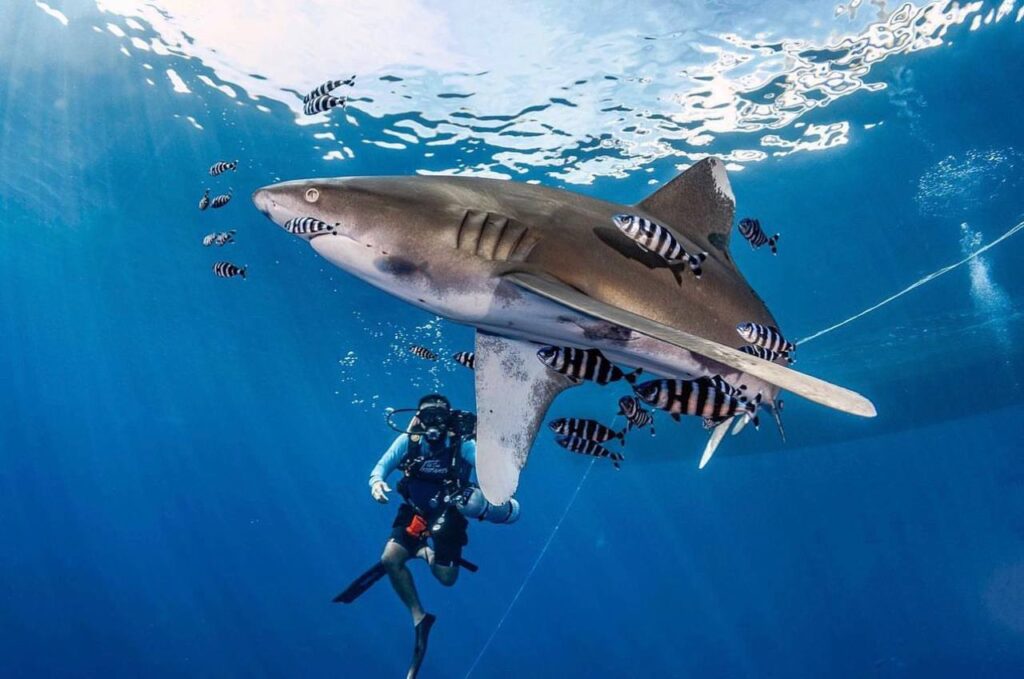
| Oceanic whitetip | 5–15 m | Elphinstone, Daedalus, Brothers | Approaches divers during safety stops |
| Whitetip reef shark | 8–16 m | St Johns, Habili Ali, Habili Gafar | Rests under ledges, passive |
| Grey reef shark | 10–18 m | Elphinstone north plateau, Big Brother | Patrols reef edges, often in groups |
| Hammerhead | 12–18 m at dawn | Daedalus, Brothers | Schools deeper, individuals rise at dawn |
Ready to book your shark dive trip?
Check available dates or reach out — we answer quickly.
Or prefer email? info@divesafarimaster.com
Where to Dive with Sharks — Sites Within 18 m
Four reef systems in the southern Red Sea put sharks within OWD depth limits. Site conditions vary — check certification requirements per itinerary.
| Site | Shark Depth | Species | Itinerary |
|---|---|---|---|
| Elphinstone | 5–18 m | Oceanic whitetip, grey reef | BDE, Golden Mix |
| Daedalus | 10–15 m (reef top) | Hammerhead, oceanic whitetip | Pelagic Trail, BDE |
| St Johns | 8–14 m | Whitetip reef shark | St Johns |
| Big Brother | 5–18 m | Grey reef, oceanic whitetip | BDE |
OWD vs AOWD: What Changes for Shark Diving?
Dark dots — sites on BDE and Pelagic Trail (AOWD + 50 dives). Light dots — available on St Johns and Golden Mix (OWD accepted).
Upgrade to AOWD During Your Trip
PADI Advanced Open Water Diver courses run aboard MY JPMarine every week. Complete your certification mid-trip and unlock Pelagic Trail and BDE sites on the same journey.
View Courses Aboard →What to Expect on a Shark Dive Aboard MY JPMarine
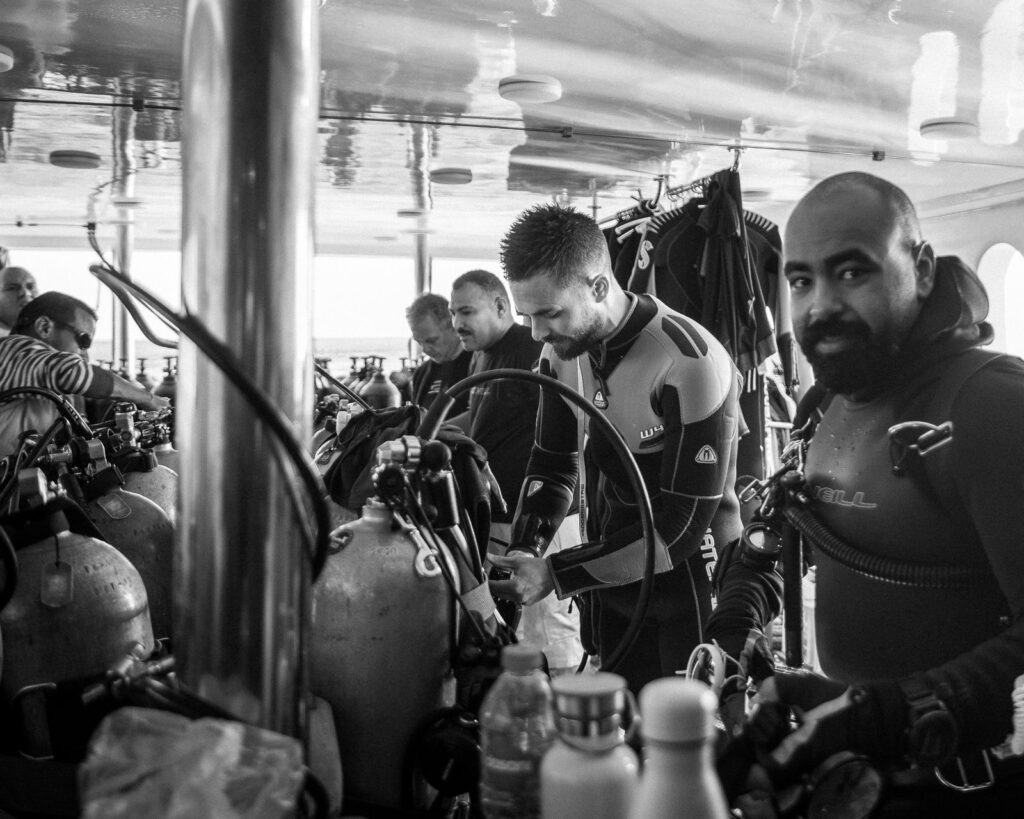
MY JPMarine departs from Hurghada, Saturday–Saturday. 19–21 dives scheduled per week.
Shark Dive Safety — Briefings, Protocols, Behaviour
Shark dives are routine on every MY JPMarine trip. Briefings cover species-specific behaviour: oceanic whitetips approach closely at the surface — stay still, maintain eye contact. Grey reef sharks keep distance but react to erratic movement. Whitetip reef sharks are passive unless disturbed.
🔹 No touching, chasing, or feeding sharks
🔹 Stay with your buddy and guide at all times
🔹 Neutral buoyancy — no dangling equipment
🔹 Follow guide signals to ascend or reposition
🔹 Dive insurance mandatory — see options
Full protocol breakdown: shark dives safety guide.
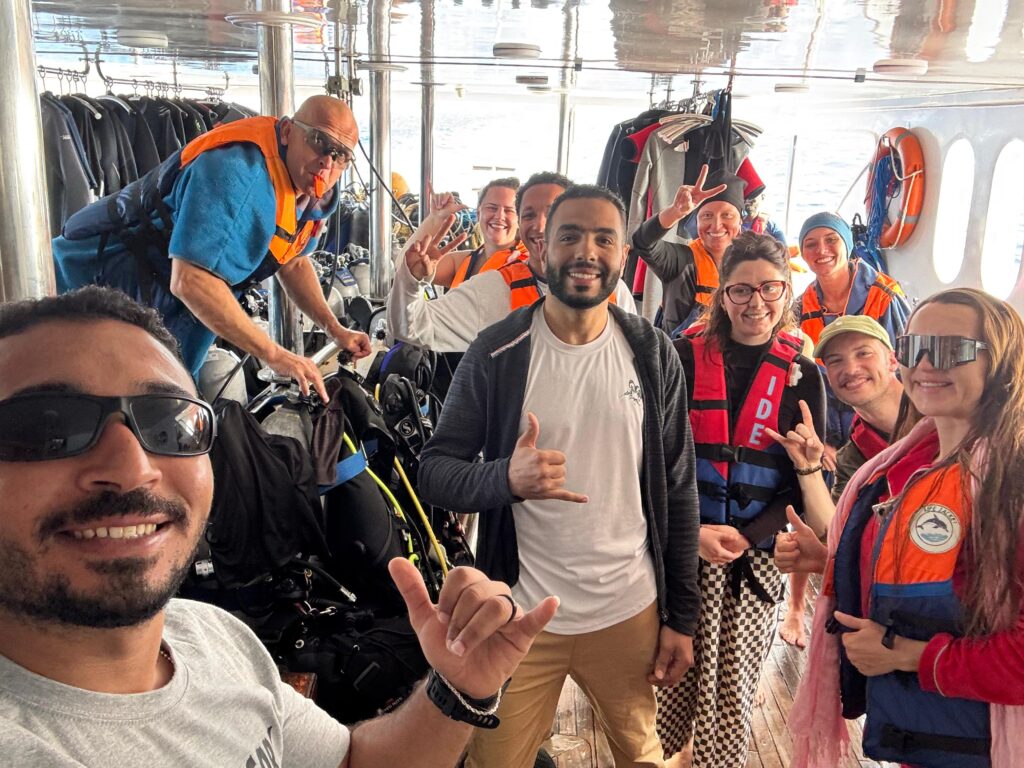
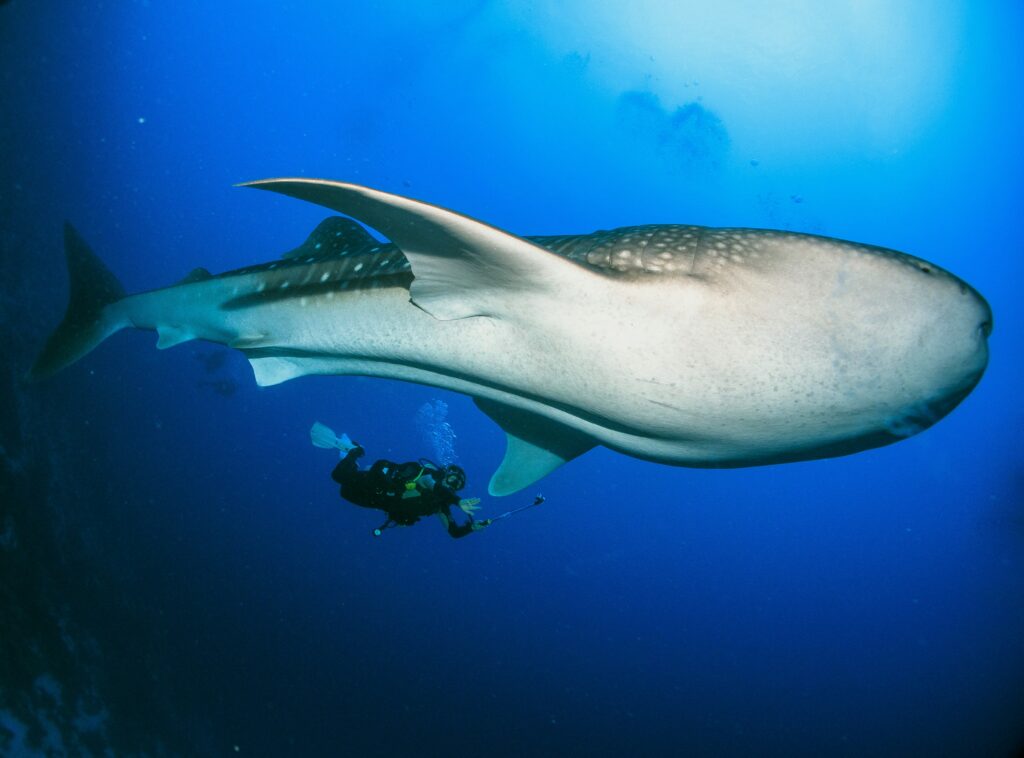
Photos made aboard MY JPMarine
Our Best-Selling Itineraries
Each route hand-crafted by our team. Solo divers, groups, and full charters welcome.

Prepare for Your Trip

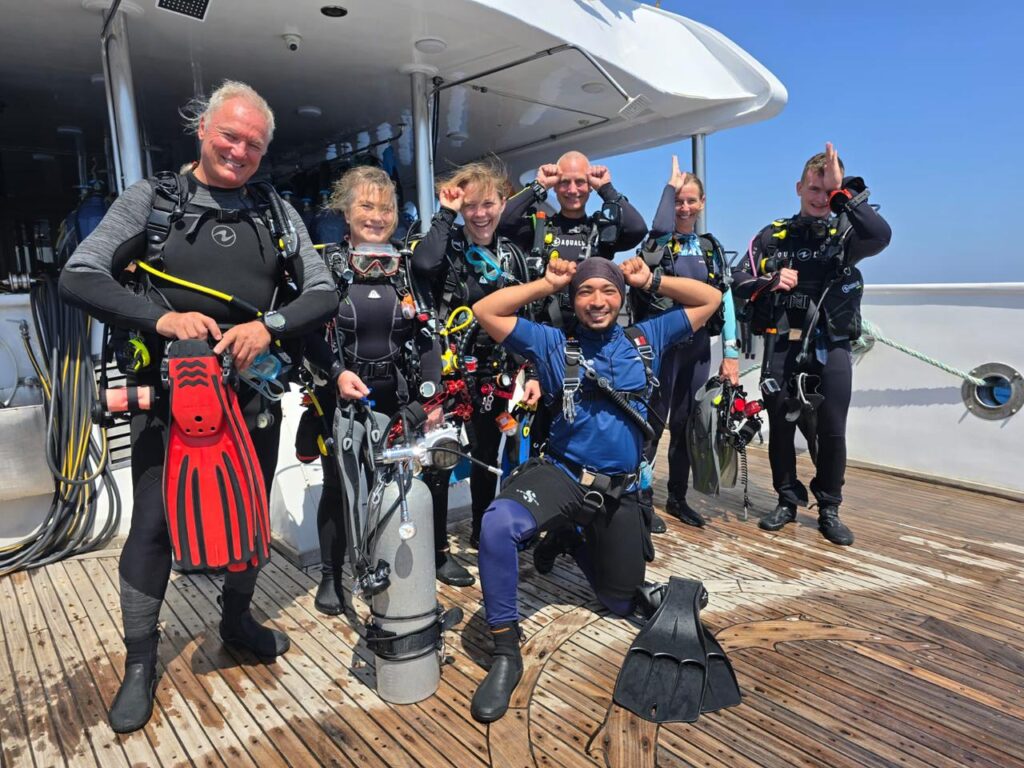
Photos made aboard MY JPMarine
Your Safety is Our Standard
MY JPMarine — built and maintained to the highest safety standards

Continue Reading
FAQ
Questions we get every week
Ready to See Sharks in the Red Sea?
Book directly — no agency fees, no hidden costs.
Or email us: info@divesafarimaster.com