


Brothers Islands Diving Conditions — Currents, Depth and What to Expect
Big Brother, Little Brother — exposed offshore reefs with 1–4 knot currents, walls dropping to 40 m, and pelagic species that don’t appear anywhere else on the itinerary.
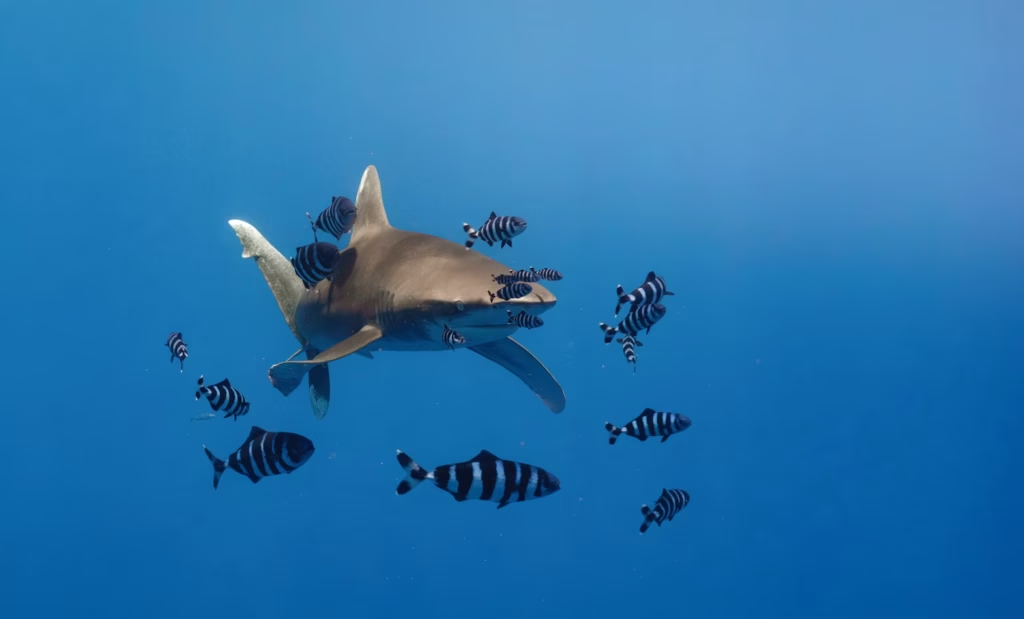
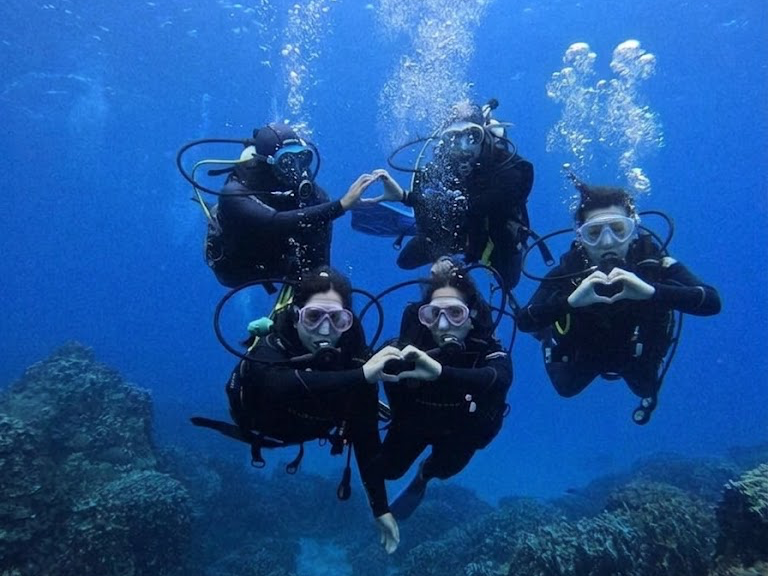
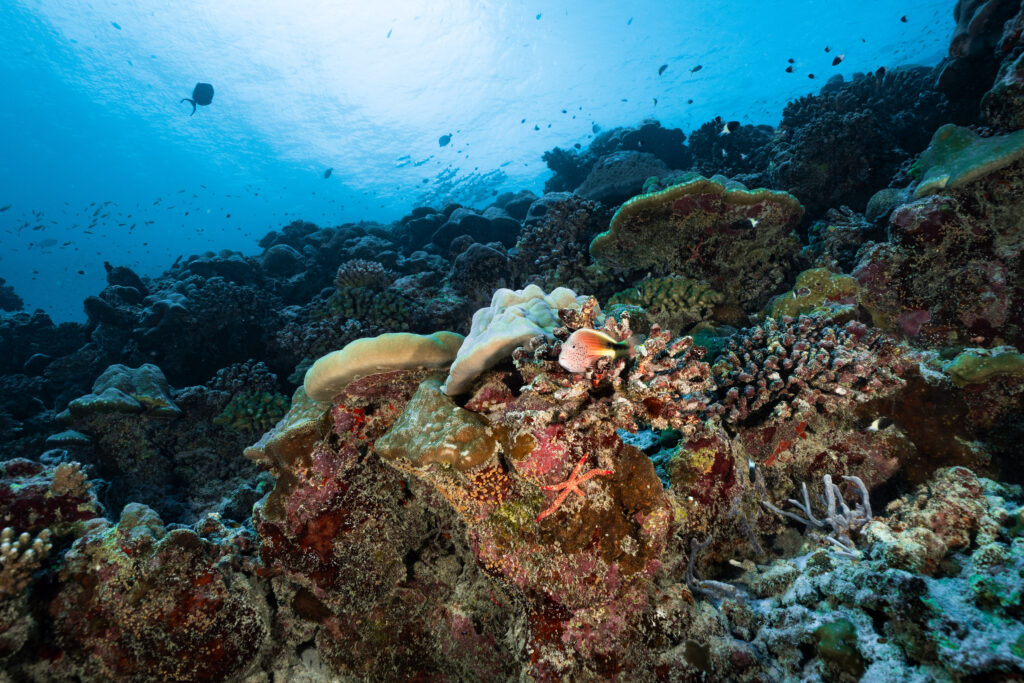
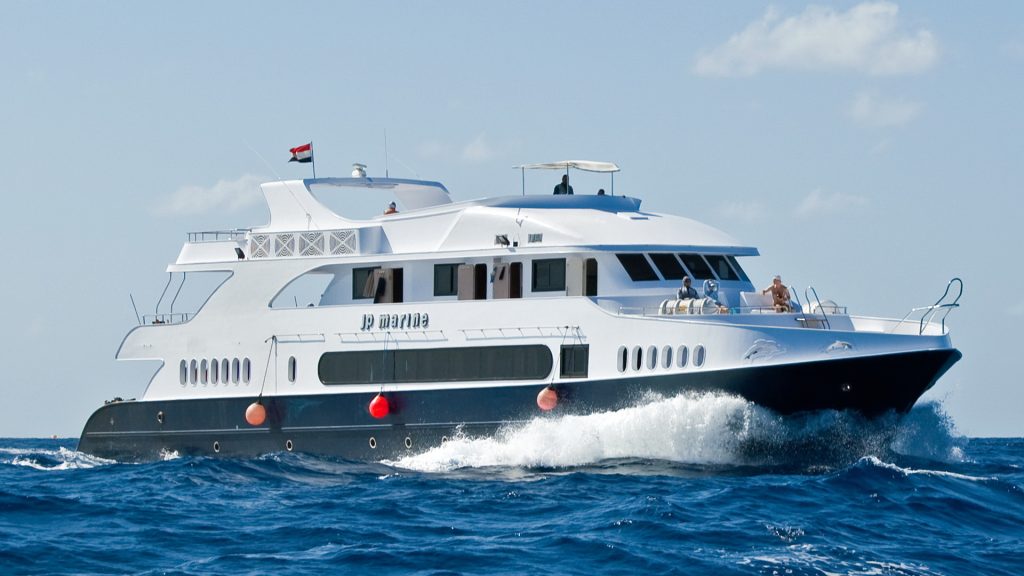
Brothers Islands, Red Sea — MY JPMarine / DiveSafariMaster
Big Brother — north wall and south plateau
Big Brother Island is the larger of the two, roughly 400 metres long with a lighthouse on top and permanent moorings on the south side. Every dive point has its own current profile. Knowing which side you’re on changes the dive plan entirely.
| Dive Point | Typical Depth | Current Direction | Key Species | Risk Level |
|---|---|---|---|---|
| North Wall | 20–40 m | N/NE — can reverse | Oceanic whitetips, hammerheads, thresher sharks | High — exposed, surge |
| South Plateau | 15–30 m | S — usually lighter | Grey reef sharks, Napoleon wrasse, moray eels, coral caverns | Moderate |
| Wreck dives | 28–33 m | Variable | Coral-encrusted structures, glassfish, fusiliers | Moderate–High |
The north wall is where pelagic sightings concentrate — but it’s the most current-exposed part of the reef. When current runs hard from the north, the guide will brief a negative entry: everyone descends immediately on entry to avoid being pushed onto the reef surface. The south plateau is more sheltered and better suited to the first dive of the day while the group settles in.
Little Brother — north and south walls
Little Brother is smaller, more exposed, and the current patterns are less predictable. There is no sheltered mooring — the boat holds position on the south side and conditions can shift within a single dive. Both walls drop vertically from the surface to well past recreational limits.
| Wall | Depth Range | Current Character | What You’ll See |
|---|---|---|---|
| North Wall | 18–40 m | Strongest at Little Brother — upwellings common, can hit 3–4 kts | Thresher sharks (early morning), hammerheads, silky sharks |
| South Wall | 15–35 m | Usually lighter; occasional downwellings near the tip | Soft coral gardens, glassfish clouds, barracuda schools |
Thresher shark sightings at Little Brother north wall are almost exclusively early-morning — first light, before 7:00 am. The guide briefs entry time the night before. If current exceeds 3 knots on arrival, the north tip dive is cancelled and replaced with the south wall.
Understanding the currents
Brothers sits roughly 100 km offshore in the central Red Sea. There is no fringing reef to break the current, no shallow lagoon, no gentle entry point. The water moves — and it can move fast.
| Current Speed | What It Feels Like | Dive Approach |
|---|---|---|
| 0–1 kt | Light — barely noticeable | Standard dive, all points accessible |
| 1–2 kts | Moderate — needs active finning to hold position | Drift dive with controlled entry; guide leads, no stopping |
| 2–3 kts | Strong — can pull you off the wall, affects ascent | Negative entry, tight group, SMB mandatory on ascent |
| 3–4 kts | Very strong — exposed tips become hazardous | North tip dives cancelled; south wall or plateau only |
🦈 Oceanic whitetip sharks are most active at the north walls — current-facing exposures
✔️ Thresher sharks appear at Little Brother north tip — early morning only
✔️ Hammerheads concentrate at Daedalus on the same BDE itinerary
✔️ Upwellings bring cold, plankton-rich water — that’s why the pelagics are here
The difference between a drift dive and a hazardous current situation comes down to two things: whether you can control your depth without effort, and whether the current is consistent. A steady 2-knot run along the wall is a good drift dive. A variable 3-knot current with upwellings at the tip is when the guide calls it off. That decision is made on the day — always at the guide’s discretion.
Planning a Brothers Islands trip?
Check available dates or reach out — we answer quickly.
Or prefer email? info@divesafarimaster.com
How dive plans are adjusted on the day
The itinerary lists dive points — not a fixed sequence. Our guides check conditions at each site before the group enters. The night before, they brief the plan for the following morning. If conditions change between the brief and entry, the brief changes too.
| Condition | Guide Response |
|---|---|
| Light current, good visibility | Full dive as briefed — north tip included |
| Strong current, consistent direction | Drift dive — entry point moved upcurrent, negative entry briefed |
| Variable current or upwelling at tip | North tip skipped — dive rerouted to south wall or plateau |
| Swell above threshold | Zodiac transfer postponed or cancelled; alternative site briefed |
| One diver cannot descend at entry | Diver and buddy surface together, inflate BCD, deploy SMB, await Zodiac pickup |
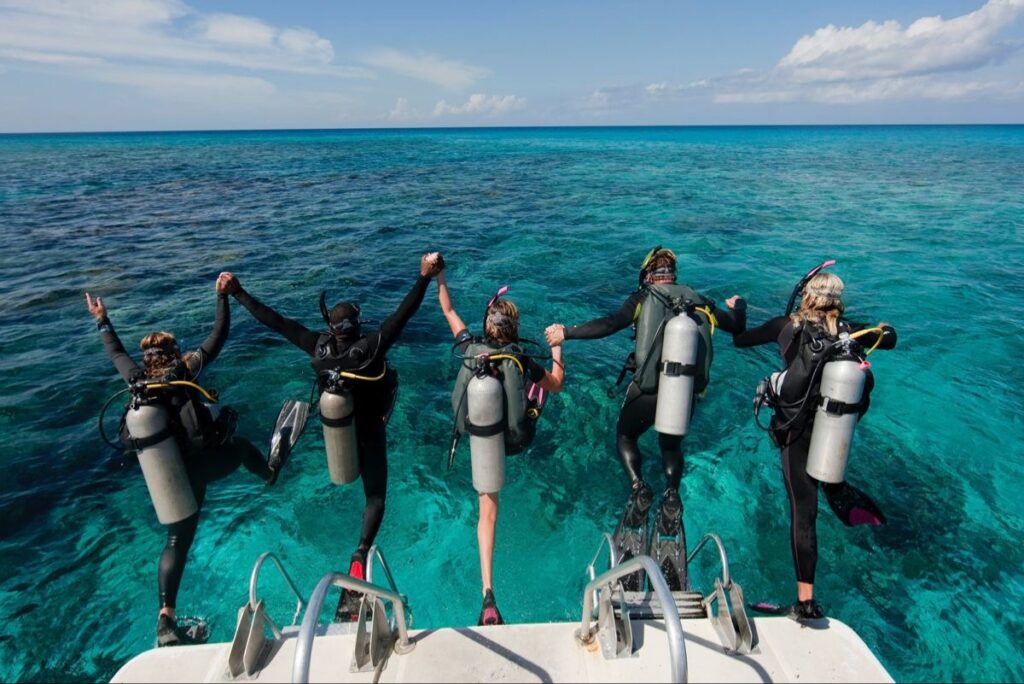
At Daedalus — included in the same BDE itinerary — the Zodiac ride to the north side is roughly 750 metres, a 10–15 minute trip. When wind is up, that ride is rough. Divers enter as a group on the guide’s countdown. Hesitation on entry is a safety issue: waves and current make individual entries dangerous for the diver and the Zodiac operator. The same discipline applies at Brothers.
What fitness and skills are actually required
Minimum certification for the BDE itinerary is AOWD + 50 logged dives. That number isn’t arbitrary — here is what the dives at Brothers specifically demand:
| Skill | OWD | AOWD | Why It Matters at Brothers |
|---|---|---|---|
| Max certified depth | 18 m | 30 m | Walls start at the surface and drop past 40 m — you need room to work |
| Buoyancy control | Basic | Trained in current | Current at the tip can push you down fast — instant reaction required |
| Eligible for BDE itinerary | ✗ | ✔️ | Open Water alone is not accepted |
| SMB deployment | Not required | Recommended | Mandatory on safety stop — Zodiac picks up by SMB, not visual search |
The most critical skill on record is buoyancy control. A diver who needs to think about buoyancy is a diver who can’t react to current. Divers with fewer than 50 logged dives typically haven’t had enough repetition to make buoyancy automatic. That is why the minimum stands.
Upgrade to AOWD During Your Trip
PADI Advanced Open Water Diver courses run aboard MY JPMarine every week. Complete your certification mid-trip and unlock Big Brother north wall, Daedalus, and Elphinstone on the same journey.
View Courses Aboard →Is BDE right for you?
Brothers, Daedalus, Elphinstone — all three sites share the same profile: exposed, offshore, current-driven, no shallow bailout option. The BDE itinerary is built around that. If you have AOWD, 50+ dives, solid buoyancy, and can deploy an SMB on a safety stop in mild current, you’re ready.
| Profile | BDE Suited? | Alternative |
|---|---|---|
| AOWD + 50 dives, current experience | Yes | — |
| AOWD + 50 dives, no current experience | Yes — with private guide | Private guide option recommended |
| OWD only, under 50 dives | No | Golden Mix or Pelagic Trail |
| Experienced diver, wants pelagics without extreme current | Yes | South plateau and wall dives still deliver |
MY JPMarine departs from Hurghada, Saturday–Saturday. 19–21 dives scheduled per week.
🏝️ Daedalus — open-water plateau, hammerhead school sightings, silky sharks
🏝️ Elphinstone — south plateau, oceanic whitetips, strong current wall diving
✔️ Nitrox available
✔️ Full-board catering aboard
✔️ PADI courses available mid-trip
✔️ Card payment accepted
The BDE itinerary covers the three sites with the highest probability of pelagic shark encounters in Egyptian waters. Brothers is the only permitted access point for liveaboards at that distance offshore — day-trip access is not available. Book directly — no agency fees.
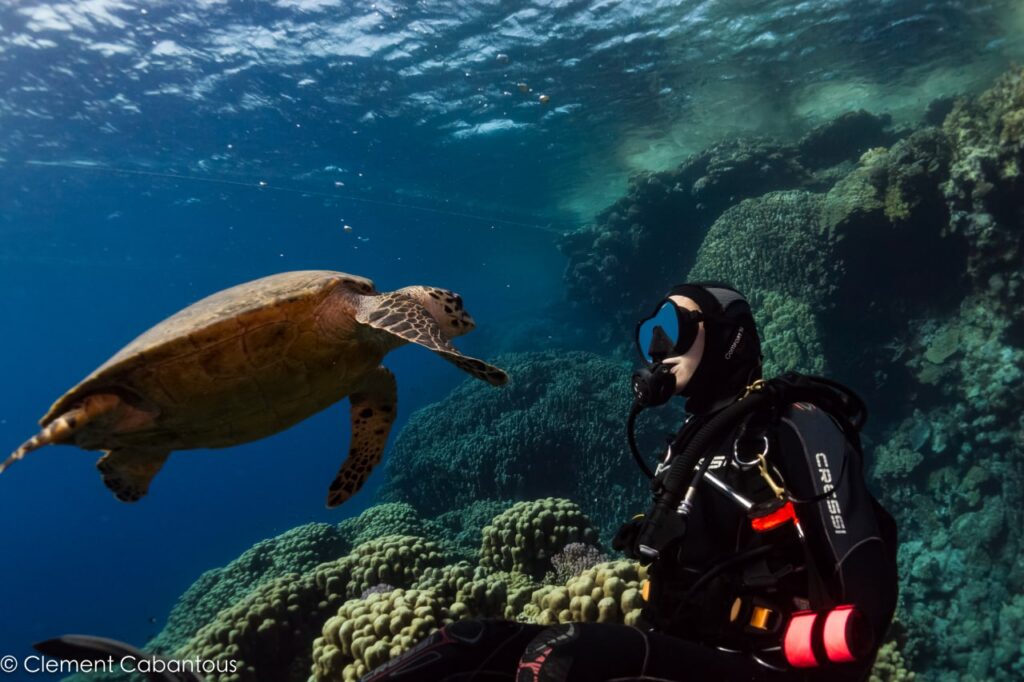
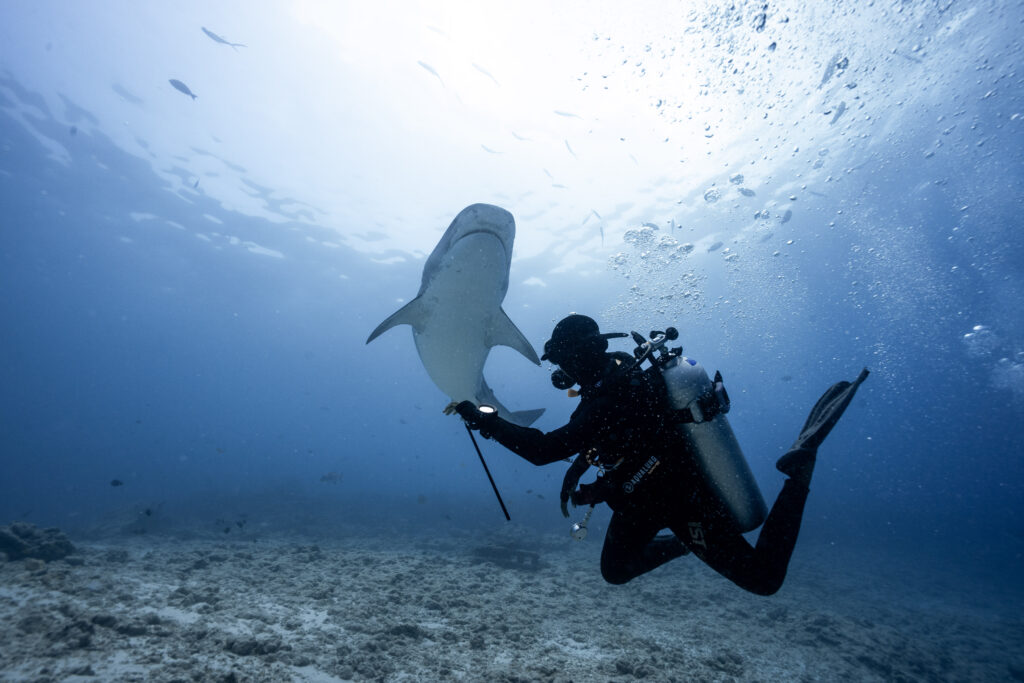
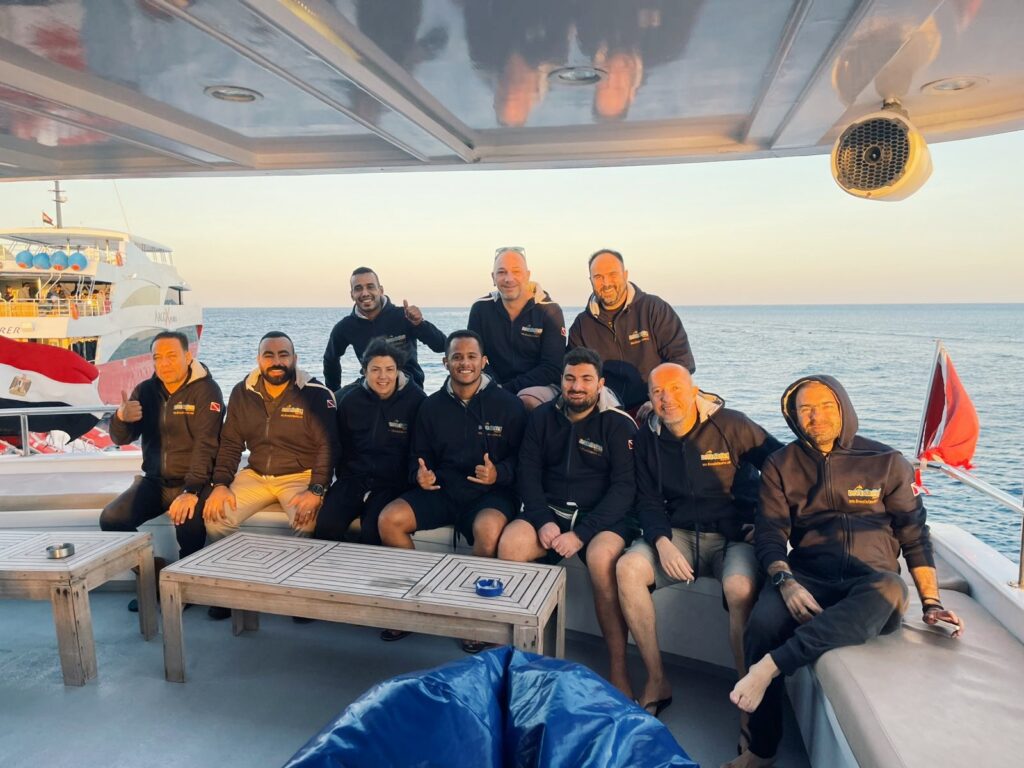
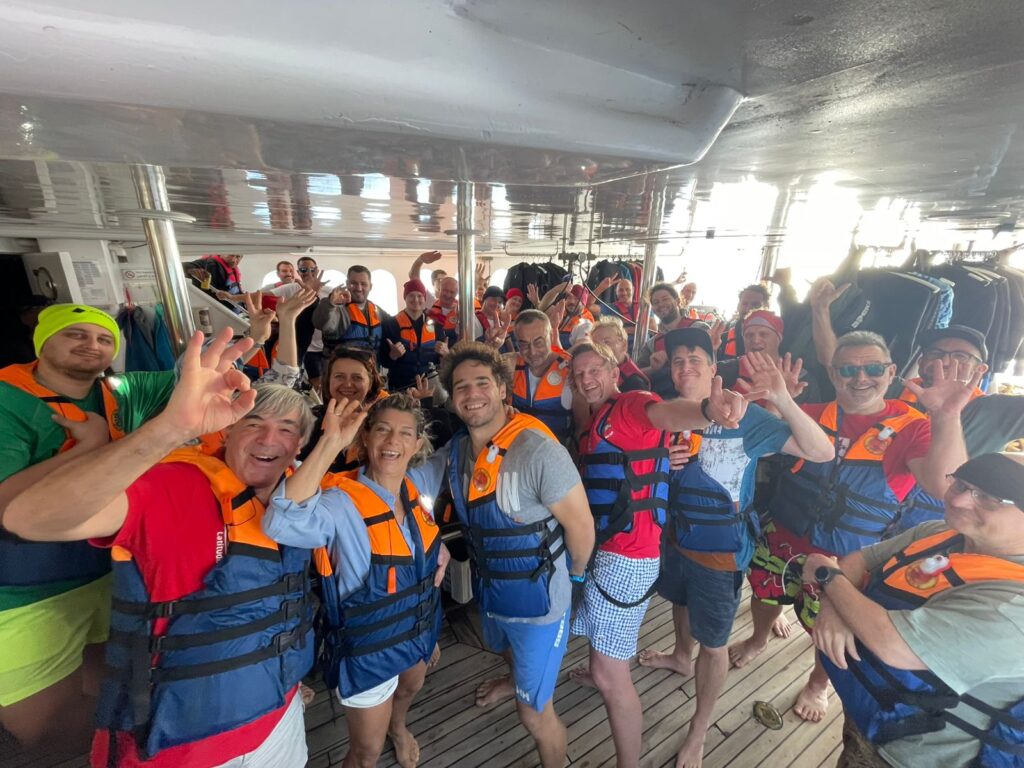
Dive operations aboard MY JPMarine — Brothers Islands, Red Sea
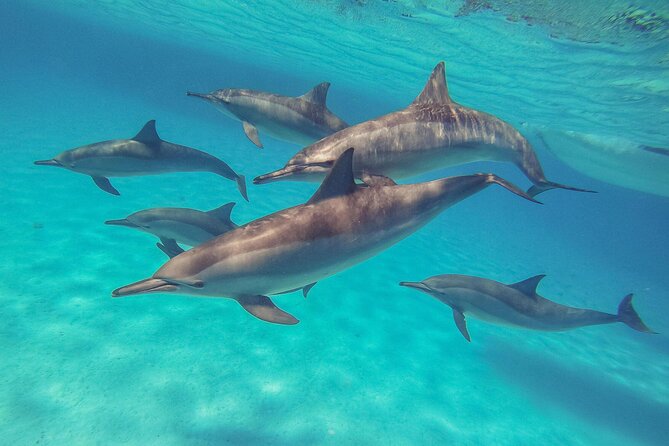
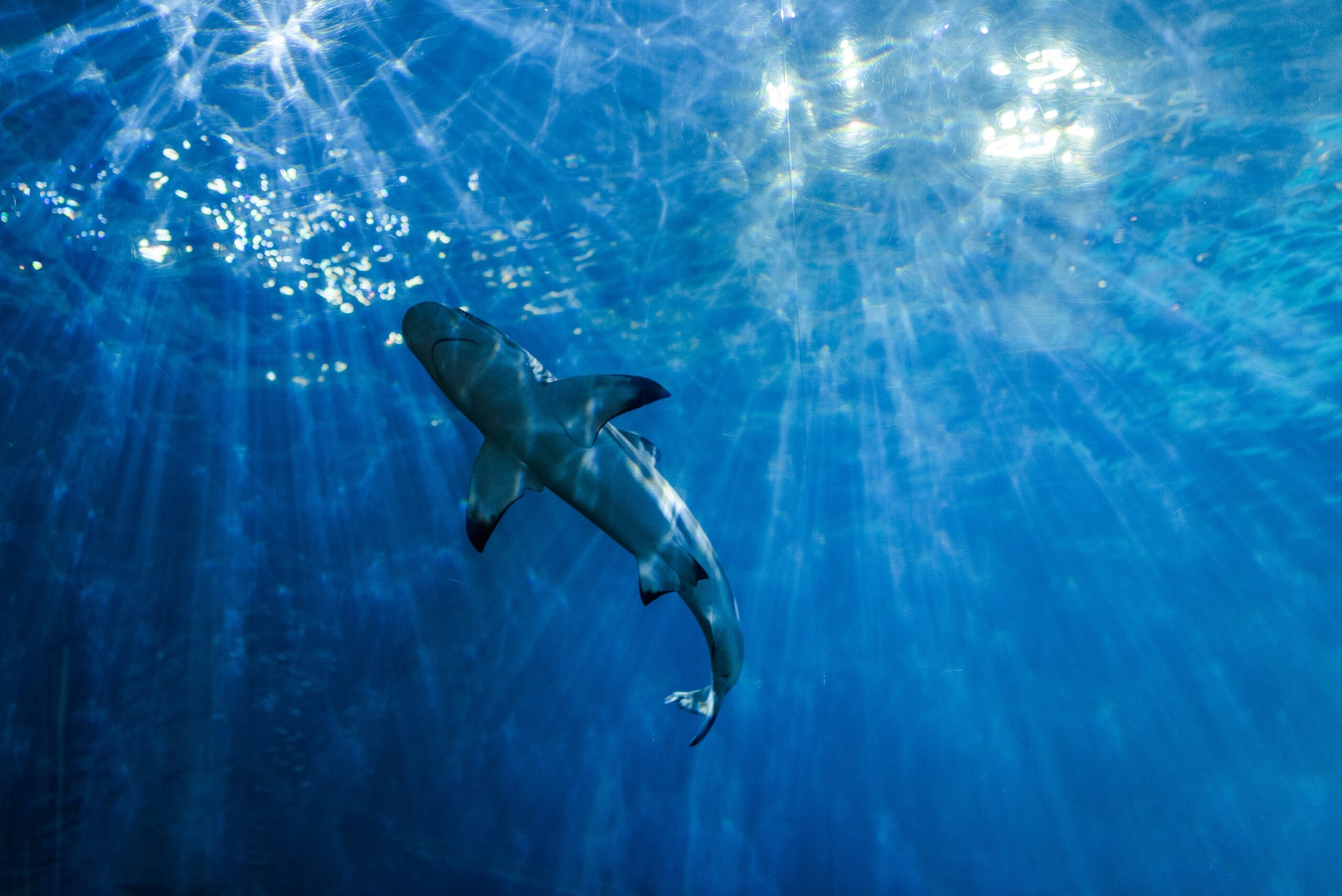
Our Best-Selling Itineraries
Each route hand-crafted by our team. Solo divers, groups, and full charters welcome.

Prepare for Your Trip
MY JPMarine — we’re in business since 1999 · Southern Red Sea
Your Safety is Our Standard
MY JPMarine — built and maintained to the highest safety standards

Continue Reading
FAQ
Questions we get every week
What is the current like at Brothers Islands?
What is the maximum depth at Brothers Islands?
Is AOWD really required, or can experienced OWD divers join?
What happens if current is too strong on a scheduled dive day?
Do I need to be able to deploy an SMB?
Is Nitrox available on BDE?
Book the BDE Itinerary — Brothers, Daedalus, Elphinstone
Book directly — no agency fees, no hidden costs.
Or email us: info@divesafarimaster.com