


How to Choose a Safe Red Sea Liveaboard — What to Check Before You Book
A specific checklist — HEPCA membership, CDWS permits, safety drill, life raft capacity, fire suppression, PADI certification — so you know exactly what separates a properly run operator from one that isn’t.
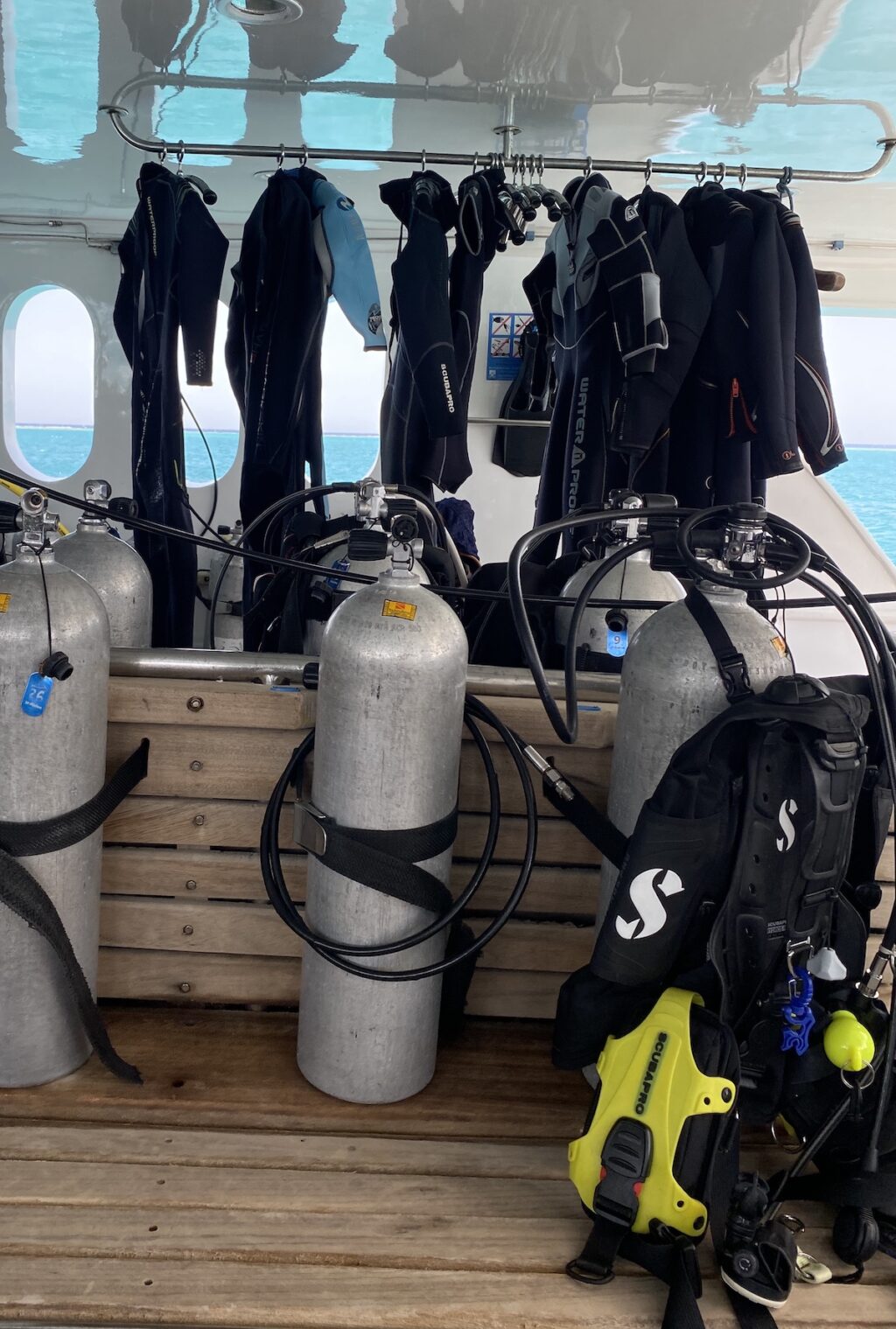
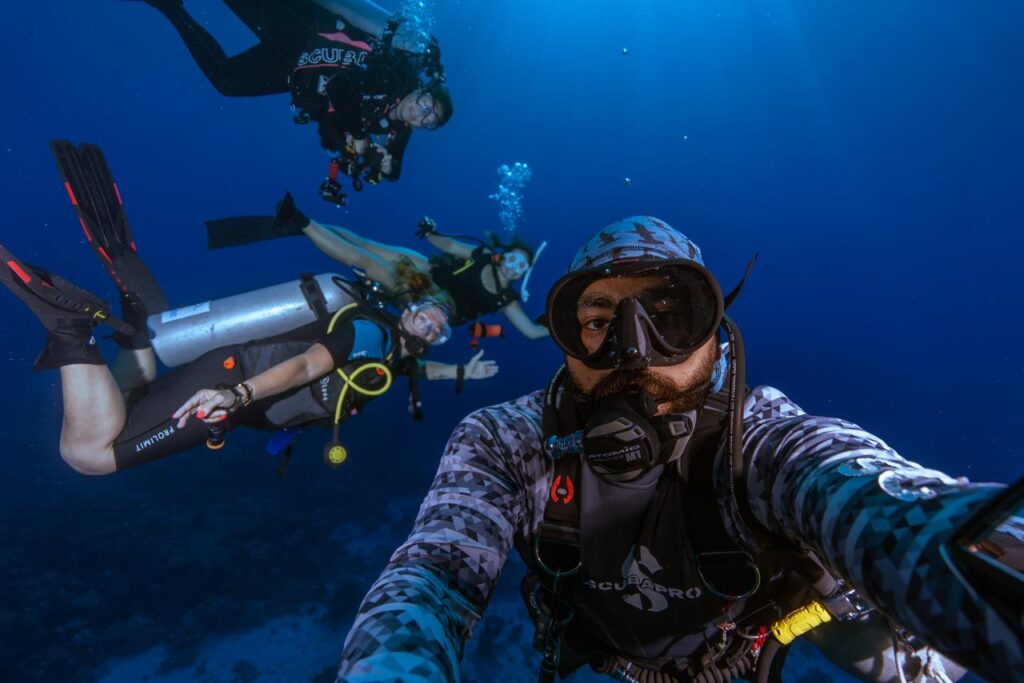
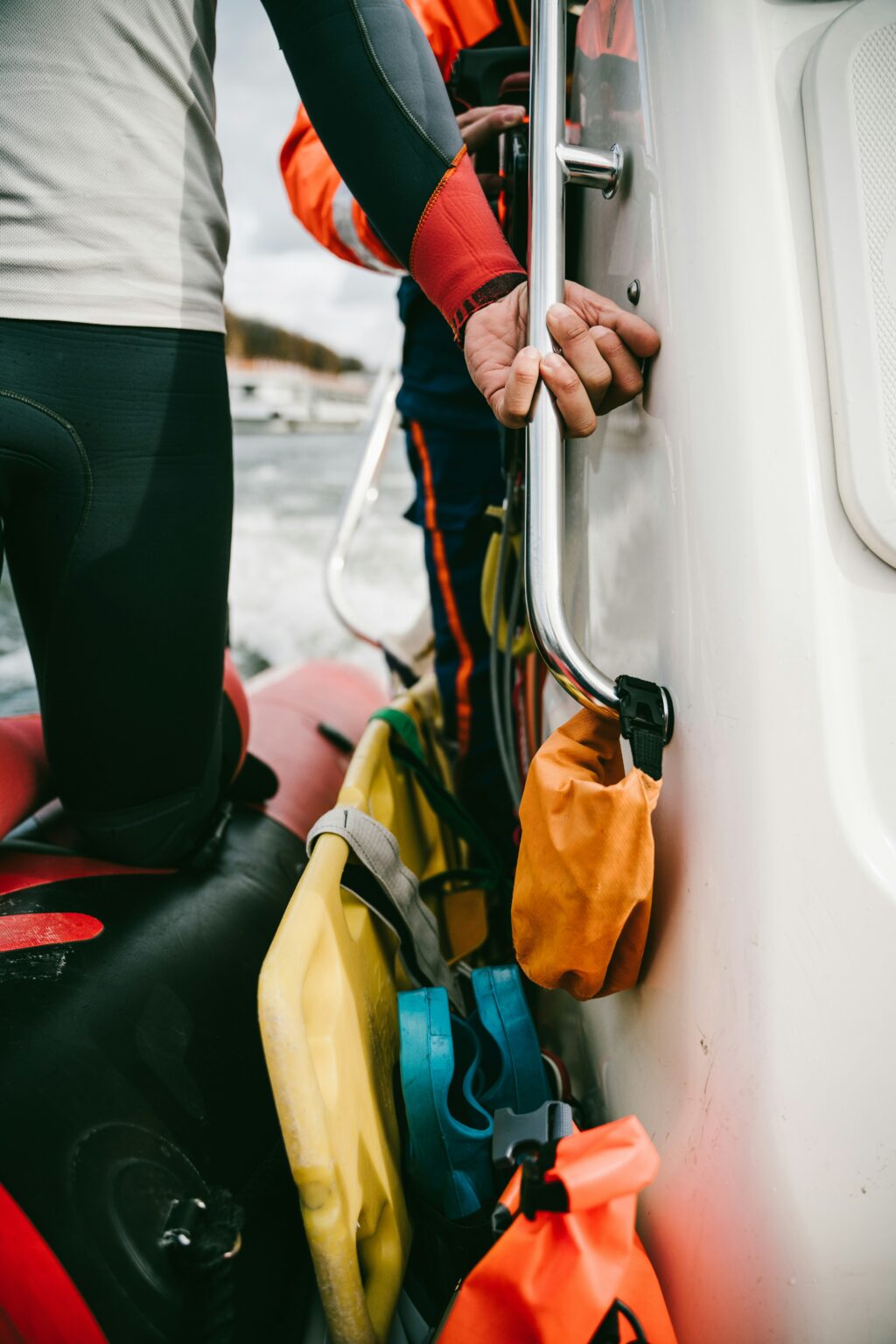
Safety equipment, briefings and operations aboard MY JPMarine — in business since 1999
Why operator safety varies in Egypt
The Red Sea is one of the world’s premier liveaboard destinations. It also has a range of operators — some holding every required certification and running weekly drills, others cutting corners on documentation, equipment, and crew training. The destination is not the problem. The operator is what you are evaluating.
| What you are evaluating | Compliant operator | Non-compliant operator |
|---|---|---|
| HEPCA membership | Verifiable on HEPCA registry | Not listed or membership lapsed |
| CDWS permit | Current licence displayed | Expired or absent |
| Safety drill | Mandatory on departure day | Skipped or verbal-only |
| Life raft capacity | Exceeds total persons aboard | Undisclosed or undersized |
| Fire suppression | Serviced extinguishers + smoke detectors | Out-of-date or missing |
| PADI certification | All water activities run to PADI standards | Unverified or self-certified |
Every item in that table is verifiable before you book. None of it requires taking the operator’s word for it.
The pre-booking checklist — 6 things to verify
Ask these questions directly before transferring any payment. A reputable operator will answer all of them without hesitation.
🦈 1. HEPCA membership — the Hurghada Environmental Protection and Conservation Association manages Red Sea marine protected areas and sets minimum operational standards. Membership is not automatic; operators apply and must maintain compliance. Ask for the membership number and verify it on the HEPCA website.
🦈 2. CDWS permit — the Chamber of Diving and Watersports Egypt issues operating licences to liveaboard vessels. A current CDWS permit confirms the vessel is legally authorised to run dive trips. Ask to see it, or ask for the licence number.
✔️ 3. Mandatory safety drill — Egyptian maritime regulation requires a safety drill on departure day. It should cover muster stations, life raft deployment, fire extinguisher locations, and emergency signal protocol. If the operator cannot confirm this happens on every departure, that is a problem.
✔️ 4. Life raft capacity — total life raft capacity must exceed the maximum number of persons aboard (guests plus crew). Ask: how many life rafts, how many seats each, and what is the maximum capacity of the vessel?
✔️ 5. Fire suppression equipment — ask how many fire extinguishers are aboard and when they were last serviced. Ask whether the vessel has smoke detectors and in how many locations. These are not unreasonable questions; a well-run operator will have the numbers ready.
✔️ 6. PADI certification — all water activities should run to PADI standards. This covers dive briefing format, equipment checks, buddy system, and maximum group size per guide. Ask whether the operator is a PADI-certified dive operation.
MY JPMarine’s numbers for reference: 28 smoke detectors, 33 fire extinguishers, 2 life rafts at 25 seats each, 2 zodiacs, emergency O₂, EPIRB satellite beacon. These figures are published and do not change between trips.
Want the full safety spec for MY JPMarine?
Check available dates or reach out — we answer quickly.
Or prefer email? info@divesafarimaster.com
What a proper safety drill looks like
A safety drill is not a five-minute talk on the sundeck. On every MY JPMarine departure, the drill covers the following — use this as your benchmark when evaluating other operators:
| Drill element | What it covers |
|---|---|
| Muster stations | Each guest assigned a muster point; location confirmed physically, not just on paper |
| Life raft deployment | Raft locations shown; boarding procedure explained; capacity confirmed |
| Fire extinguisher locations | All extinguisher positions walked through; galley, engine room, cabins |
| Emergency signal | Alarm signal demonstrated; guests confirm they recognise it |
| Emergency O₂ | Location shown; trained crew member identified |
| EPIRB | Satellite beacon location noted; activation protocol explained |
The drill happens before the vessel leaves the harbour on departure day. It is not optional and it is not shortened for groups that have sailed with us before.
Dive certification requirements explained
Minimum certification requirements are a safety filter, not a commercial one. On the BDE itinerary and the Pelagic Trail, the minimum is AOWD (Advanced Open Water Diver). Open Water certification is not accepted. The sites — Brothers Islands, Daedalus, Elphinstone, Zabargad — involve open-water conditions, strong current, and depths that require AOWD-level training.
| Feature | OWD | AOWD |
|---|---|---|
| Max certified depth | 18 m | 30 m |
| BDE itinerary eligible | ✗ | ✔️ |
| Pelagic Trail eligible | ✔️ | ✔️ |
| Brothers Islands south plateau | ✗ | ✔️ |
| Open-water current dives | ✔️ | ✔️ |
| Golden Mix itinerary eligible | ✗ | ✔️ |
Upgrade to AOWD During Your Trip
PADI Advanced Open Water Diver courses run aboard MY JPMarine every week. Complete your certification mid-trip and unlock Brothers Islands, Daedalus, and Elphinstone on the same journey.
View Courses Aboard →Red flags to watch for
These are the patterns that appear most often in negative reviews and incident reports from Red Sea liveaboards. None of them require specialist knowledge to spot — they are observable before and during your trip.
| Red flag | What it indicates |
|---|---|
| No safety drill on departure day | Breach of Egyptian maritime regulation; crew may not be trained |
| HEPCA/CDWS not mentioned or verifiable | Operator may be running without required licences |
| OWD accepted for BDE or Pelagic sites | Certification minimum is being waived for commercial reasons |
| Life raft capacity not disclosed | Capacity may be below the number of persons aboard |
| Fire extinguisher count unknown to crew | Equipment may not be regularly serviced or inventoried |
| No dive guide in water with the group | PADI standards require a guide; unsupervised groups are a liability |
If an operator cannot answer the checklist questions from the previous section clearly and quickly, that is itself the answer. Move on.
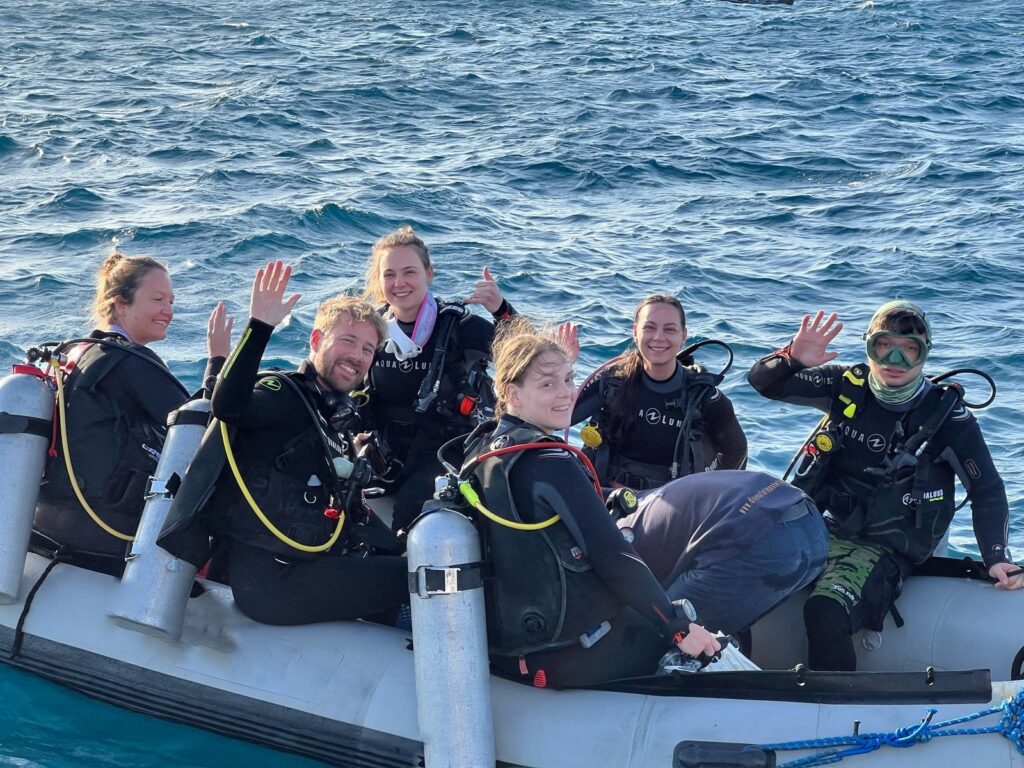
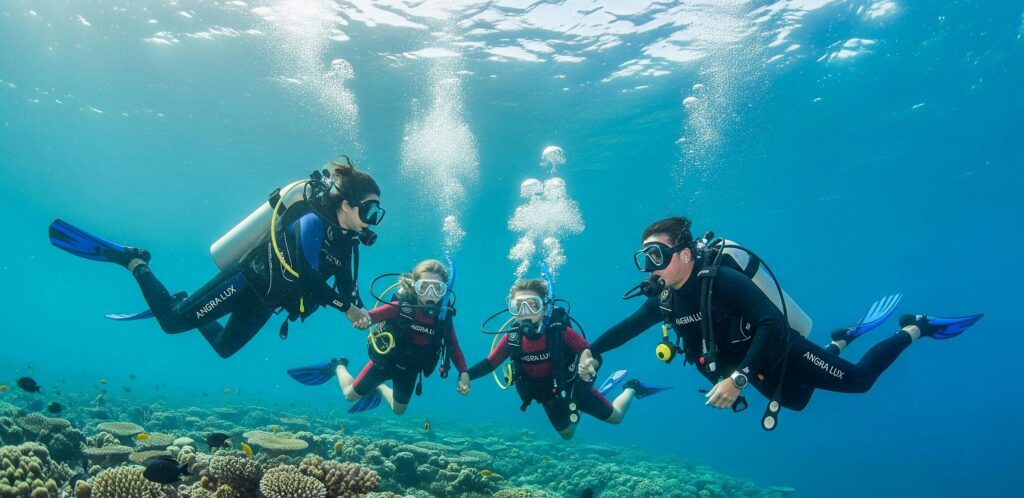

Briefings, dive platform, and guided dives — MY JPMarine, southern Red Sea
Our Best-Selling Itineraries
Each route hand-crafted by our team. Solo divers, groups, and full charters welcome.
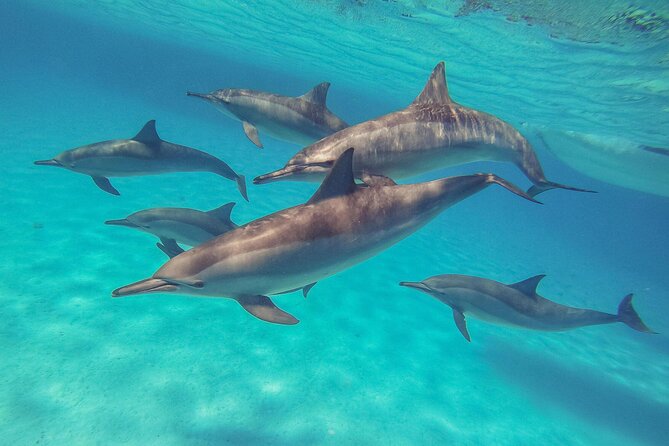


Prepare for Your Trip
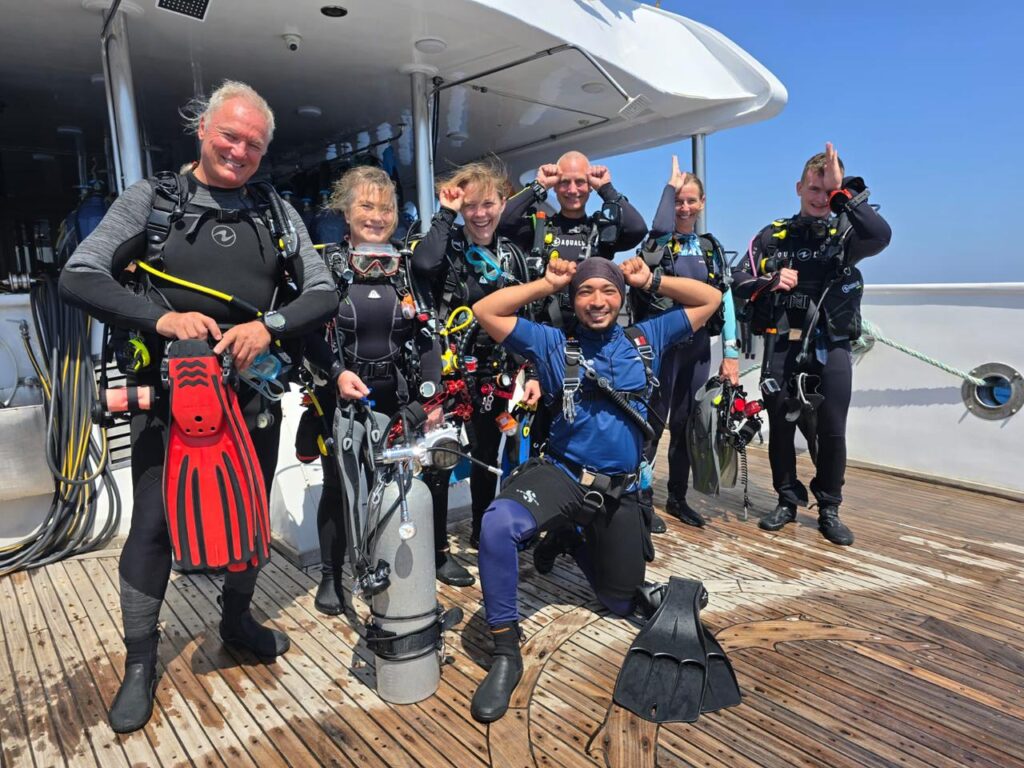

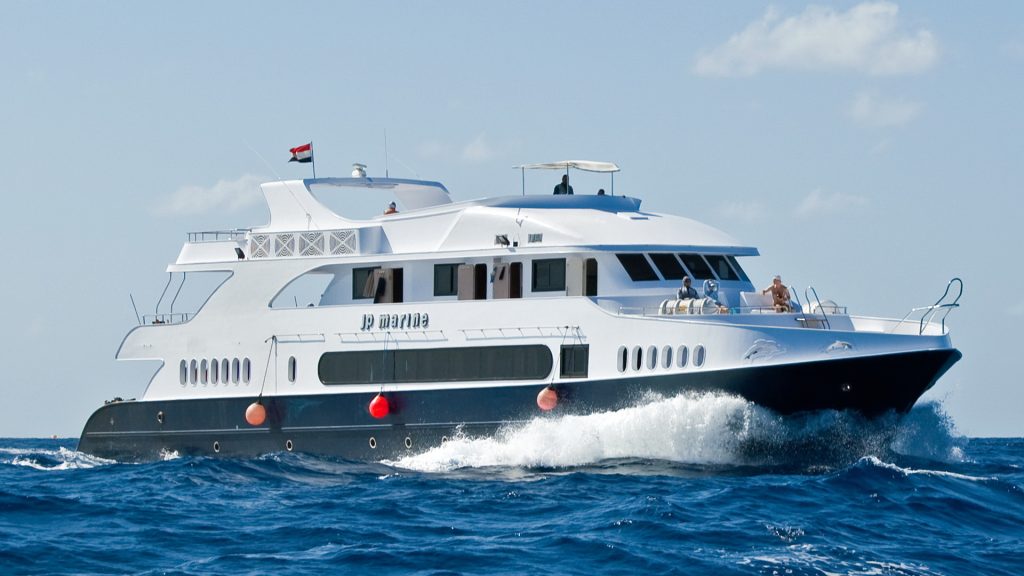
MY JPMarine — we’re in business since 1999 · Southern Red Sea
Your Safety is Our Standard
MY JPMarine — built and maintained to the highest safety standards

Continue Reading
FAQ
Questions we get every week
What is HEPCA and why does it matter when choosing a liveaboard?
What is a CDWS permit and how do I check if an operator has one?
Is a safety drill mandatory on Red Sea liveaboards?
How do I check if a liveaboard has enough life raft capacity?
What certification do I need for a Red Sea liveaboard?
Is dive insurance required for a Red Sea liveaboard?
Book a Liveaboard That Meets the Standard
Book directly — no agency fees, no hidden costs.
Or email us: info@divesafarimaster.com