


Red Sea Liveaboard Packing List — What to Bring, What to Leave at Home
A complete packing list for a 7-night southern Red Sea shark diving itinerary — wetsuit weight by month, rental gear, critical spares, and what fits in cabin baggage.
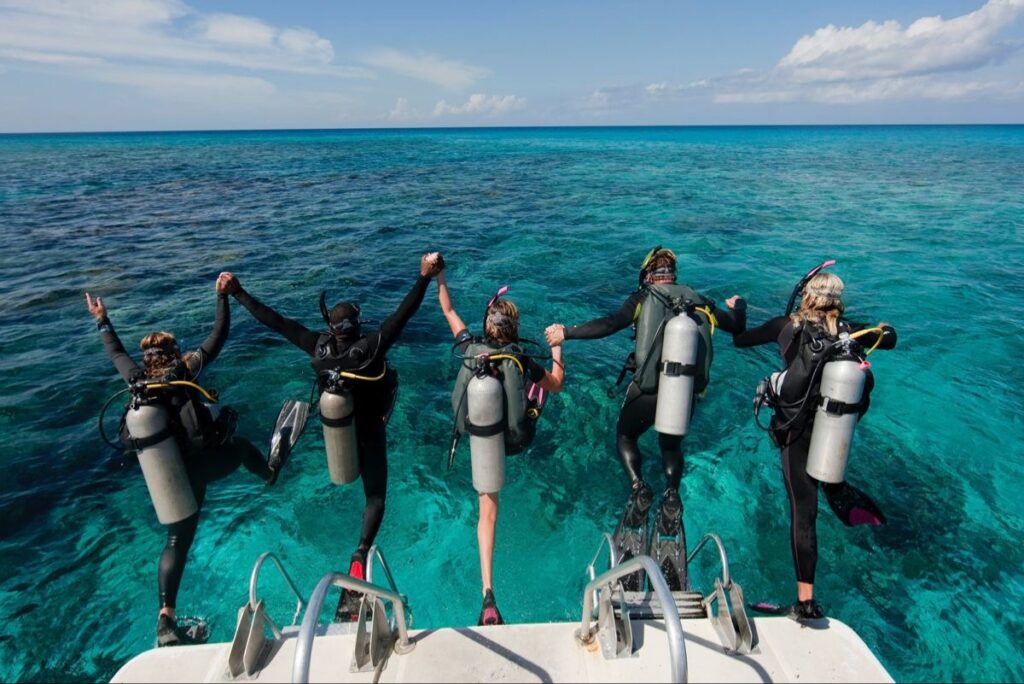
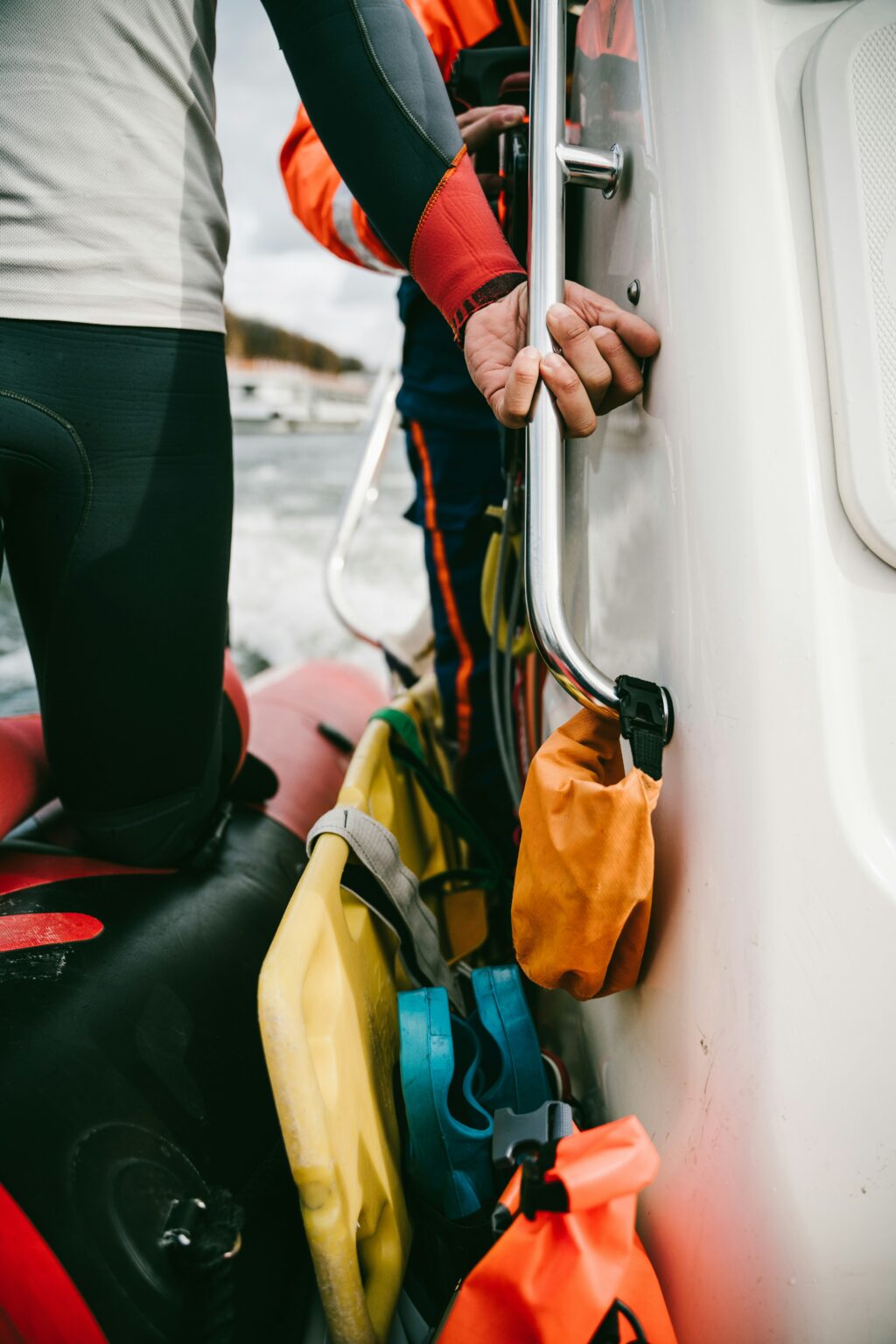
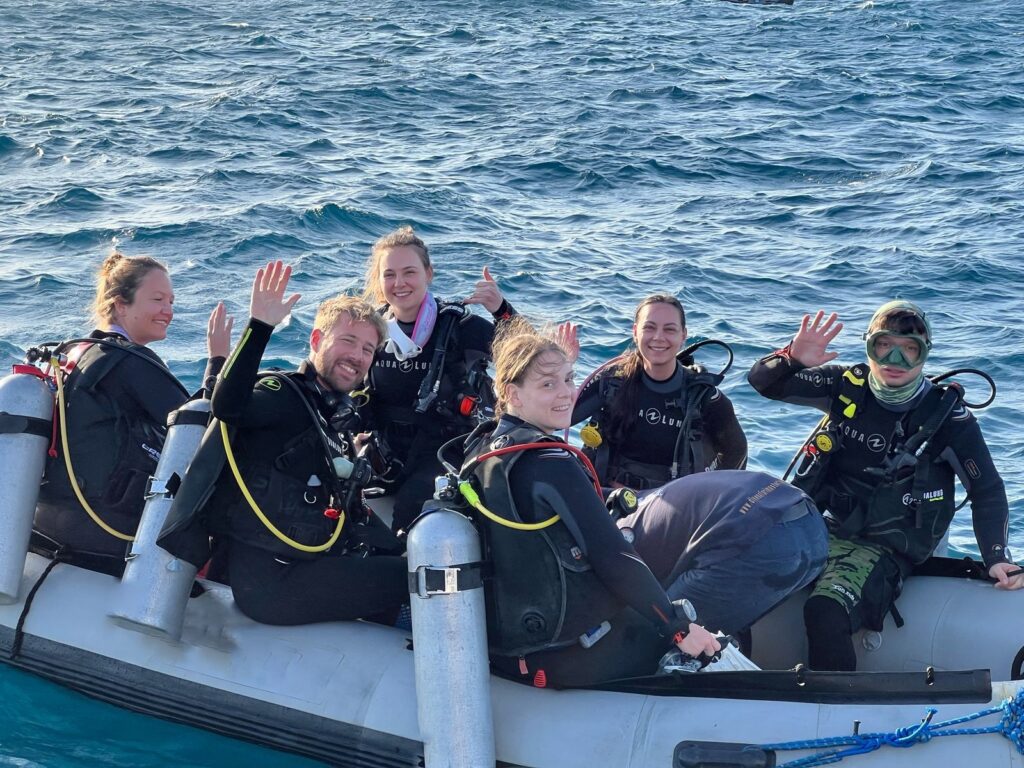
Gear checks and descents — BDE and Pelagic Trail, MY JPMarine
Wetsuit weight by month — 3mm or 5mm?
Water temperature in the southern Red Sea varies enough across the year that bringing the wrong wetsuit thickness means either shivering through 18–21 dives or carrying unnecessary bulk. The table below gives practical guidance per month based on typical conditions at Brothers Islands, Daedalus, and Elphinstone.
| Month | Surface temp (approx.) | At depth (25–30 m) | Recommended wetsuit |
|---|---|---|---|
| January | 22–24 °C | 20–22 °C | 5mm |
| February | 22–24 °C | 20–22 °C | 5mm |
| March | 23–25 °C | 21–23 °C | 5mm (or 3mm + hood) |
| April | 25–27 °C | 23–25 °C | 3mm |
| May | 26–28 °C | 24–26 °C | 3mm |
| June | 27–29 °C | 25–27 °C | 3mm |
| July | 28–30 °C | 26–28 °C | 3mm (or shorty) |
| August | 28–30 °C | 26–28 °C | 3mm (or shorty) |
| September | 27–29 °C | 25–27 °C | 3mm |
| October | 26–28 °C | 24–26 °C | 3mm |
| November | 24–26 °C | 22–24 °C | 5mm |
| December | 23–25 °C | 21–23 °C | 5mm |
The 5mm rental option is available aboard — see rental prices below. If you run cold, add a hood and gloves for November–March regardless of wetsuit thickness. A 5mm aboard for a July departure is deadweight; a 3mm in January means cutting dives short.
Diving gear — what to bring, what to rent
On a BDE or Pelagic Trail itinerary with 18–21 dives scheduled, gear comfort matters more than on a day-trip. Items that fit your body and that you know the behaviour of are worth bringing. Items that are heavy, bulky, or available in maintained condition aboard can be rented.
| Item | Bring | Rent aboard | Notes |
|---|---|---|---|
| Mask | ✔️ recommended | ✔️ available | Fit is personal — bring yours if possible |
| Fins | ✔️ recommended | ✔️ available | In strong current, your own fins = better control |
| Wetsuit (5mm) | Optional | ✔️ available | 36 € / week. Heavy to pack — rental practical |
| BCD | Optional | ✔️ available | 36 € / week. ScubaPro, Mares, AquaLung — serviced yearly |
| Regulator + octopus | Optional | ✔️ available | 36 € / week. Serviced. Bring yours if recently serviced |
| Dive computer | ✔️ recommended | ✔️ available | 42 € / week. Bring yours — personal algorithms matter |
| SMB / surface marker | ✔️ bring | ✔️ available | 18 € / week. Mandatory at Brothers and Elphinstone |
| Dive torch / torch | Optional | ✔️ available | 30 € / week. Useful for wall crevices at Brothers |
| Boots | Optional | ✔️ available | 18 € / week |
| Logbook | ✔️ mandatory | — | Guides verify 50 logged dives before departure |
| Certification card(s) | ✔️ mandatory | — | AOWD minimum. Digital (PADI app) accepted |
Equipment rental prices aboard MY JPMarine
All rental equipment — ScubaPro, Mares, AquaLung — is serviced annually. Gear must be booked in advance and sizes confirmed after your deposit is paid. Count 6 dive days per week when ordering by piece.
| Item | Price | Period |
|---|---|---|
| Full set incl. computer | 220 € | Per dive week |
| Full set incl. torch, excl. computer | 180 € | Per dive week |
| BCD | 36 € | Per dive week (6 days) |
| Regulator + octopus | 36 € | Per dive week (6 days) |
| Wetsuit 5mm | 36 € | Per dive week (6 days) |
| Dive computer | 42 € | Per dive week (6 days) |
| Mask + snorkel | 18 € | Per dive week (6 days) |
| Fins | 18 € | Per dive week (6 days) |
| Boots | 18 € | Per dive week (6 days) |
| Torch | 30 € | Per dive week (6 days) |
| SMB / surface buoy | 18 € | Per dive week |
| Nitrox — 12L tank, unlimited | 70 € | Per dive week |
| Nitrox — 15L tank, unlimited | 125 € | Per dive week |
| Tank AIR 15L | 35 € | Per dive week |
The full set at 220 € including computer is the most efficient option if you are travelling light. Sizes must be confirmed in advance — the rental order form is sent after your booking deposit is confirmed. View the full equipment rental page →
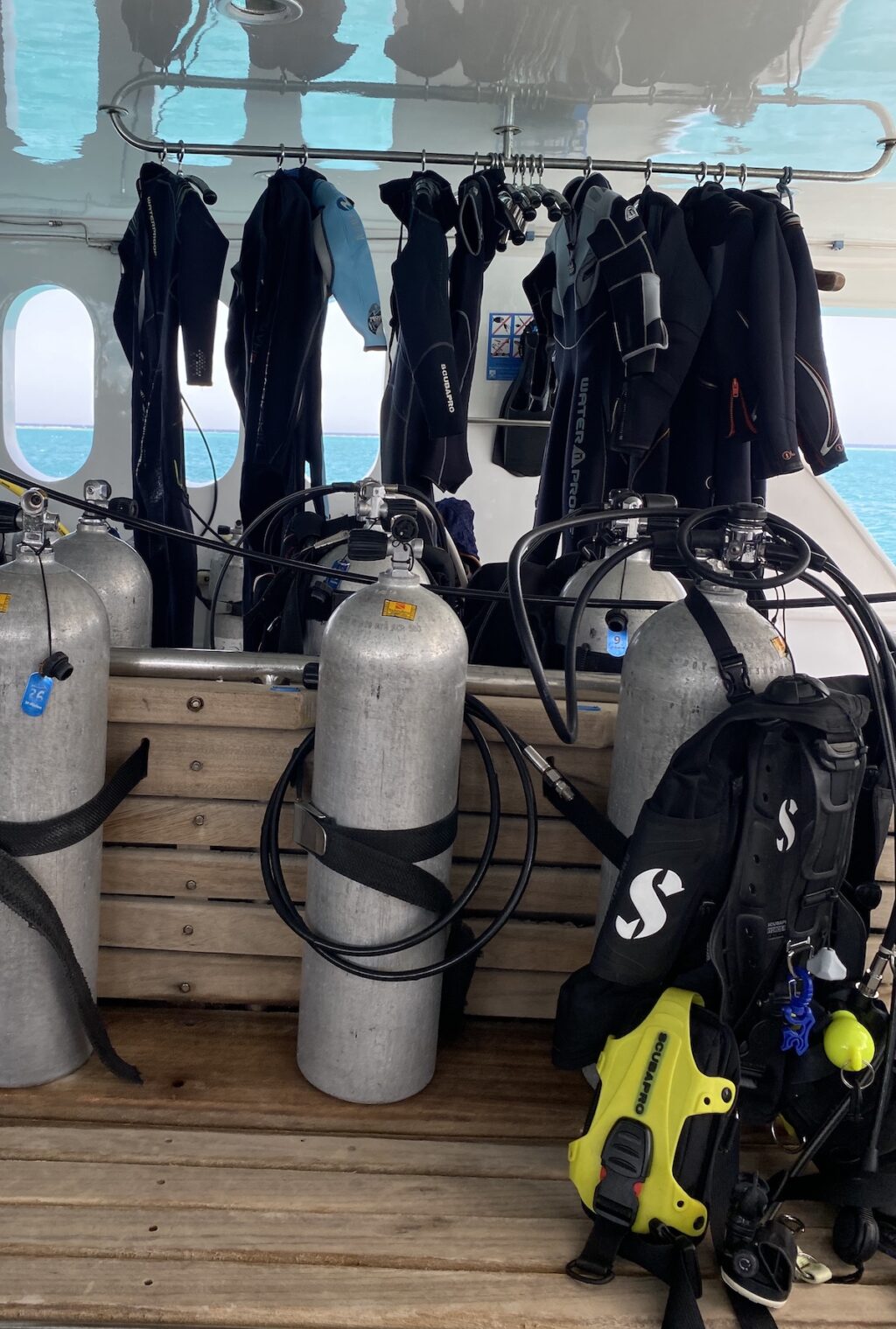
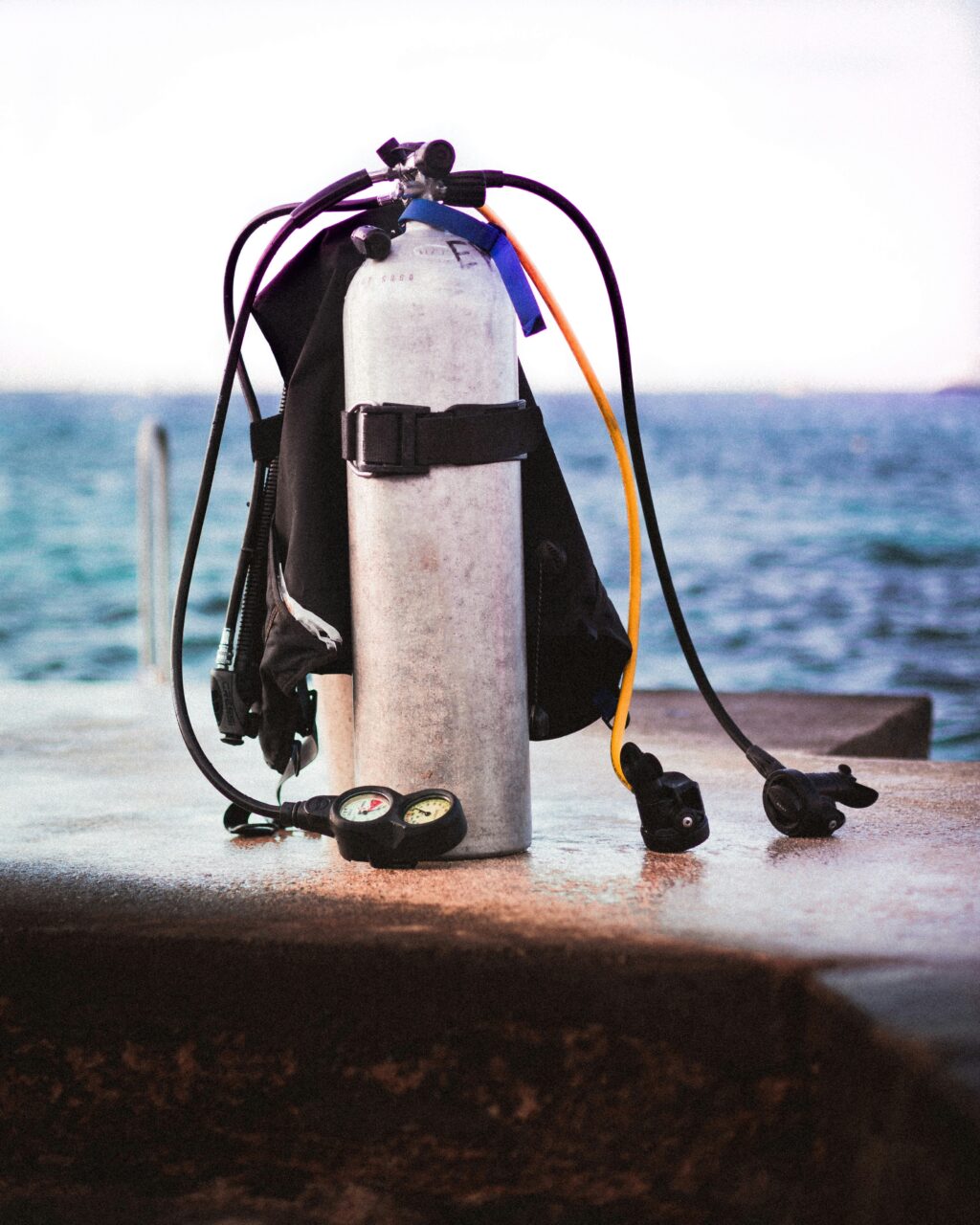
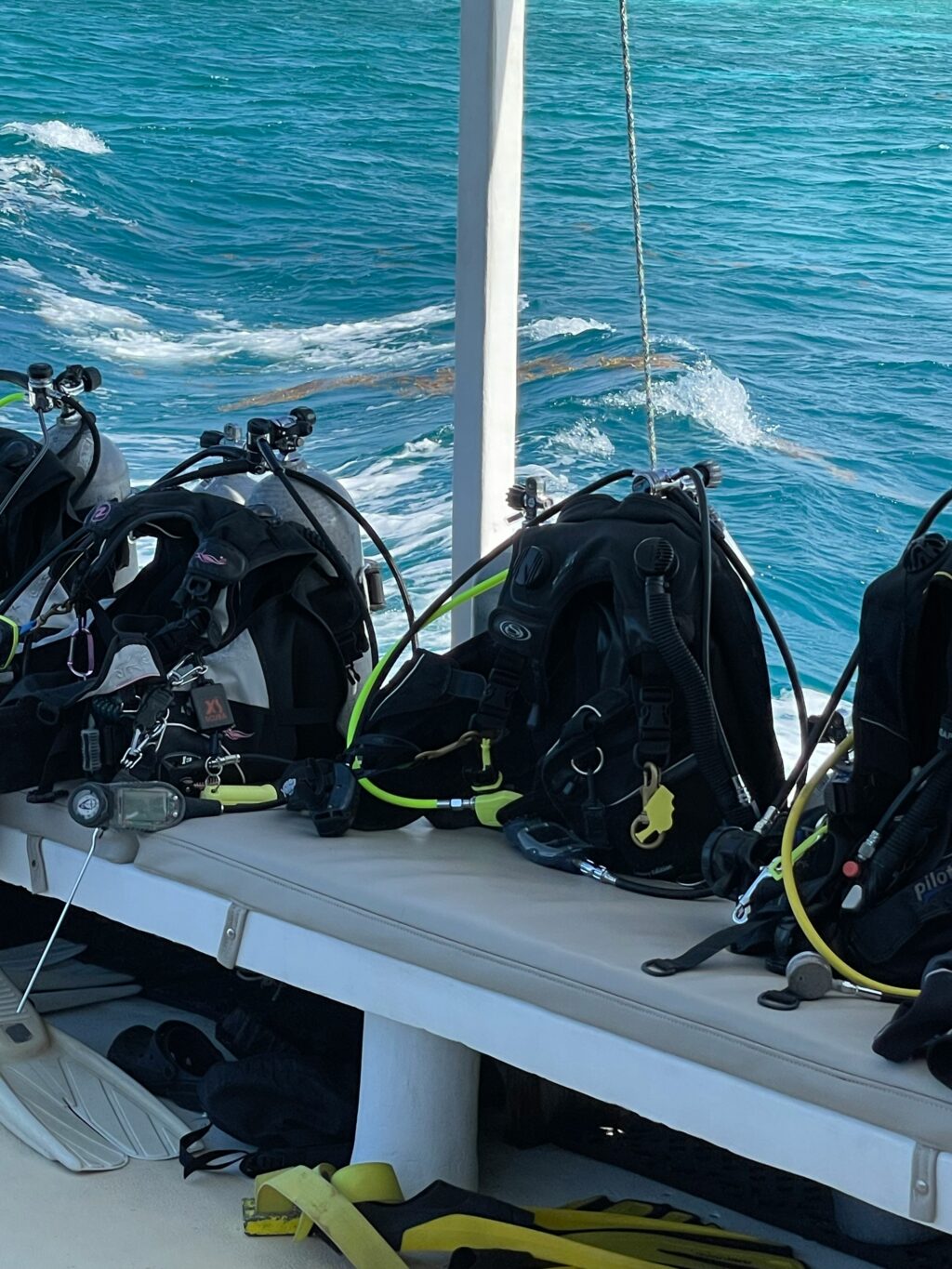
Dive deck and gear aboard MY JPMarine — southern Red Sea
Critical spares every diver should carry personally
These are small, light, and cannot be borrowed from the boat. A mask strap failure on day one of seven means either cutting every dive short or solving it yourself. Pack these regardless of how much rental gear you pre-book.
✔️ Spare mask strap — silicone breaks in heat and UV exposure
✔️ O-ring kit (assorted) — camera housing, torch, and tank o-rings
✔️ Fin strap + buckle — the standard failure point on rental fins
✔️ Wetsuit repair patches or neoprene cement — small tears, zip pulls
✔️ Defog solution or baby shampoo — a small bottle, not the full-size version
✔️ Underwater writing slate or wetnotes — for briefing notes and slates at depth
✔️ Spare batteries — for torch, dive light, and any dive instruments not using rechargeables
✔️ Reel or spool — if you dive with a personal SMB
Not sure which gear to rent for your trip?
Check available dates or reach out — we answer quickly.
Or prefer email? info@divesafarimaster.com
Non-diving essentials most guides miss
A liveaboard is not a resort. The boat is your home for 7 nights — there is no shop around the corner, and the overnight crossing from Hurghada to Brothers Islands takes several hours in open sea. These items make the difference between a comfortable week and a week you are managing around avoidable problems.
🔹 Reef-safe sunscreen — required on deck between dives. Standard sunscreens are prohibited near the reef. Mineral-based (zinc oxide or titanium dioxide), no oxybenzone.
🔹 Seasickness tablets — the overnight crossing from Hurghada to Brothers is open sea. Take tablets before boarding, not after symptoms start. Cinnarizine and Scopolamine patches are the most effective options for multi-night crossings.
🔹 Thermos flask (reusable) — MY JPMarine operates a plastic-free policy aboard. Hot drinks are available throughout the day; bring your own insulated flask for deck use between dives.
🔹 Head torch — early morning briefings at Brothers Islands run before sunrise. A head torch on deck keeps both hands free during the briefing and the kit check.
🔹 Small dry bag — for phone, passport copy, and documents on zodiac transfers to the dive sites.
🔹 Lightweight fleece or windproof layer — evenings on deck in November–March drop to 15–18 °C. Even in summer, wind on a moving boat at night is cold.
🔹 Personal medication and seasickness bands — the boat carries a basic first aid kit and emergency O₂, but personal prescriptions and antihistamines are your responsibility.
🔹 Earplugs — for the overnight engine crossing and light sleepers in shared cabin configurations.
Travelling with cabin baggage only
Travelling to Marsa Alam with cabin baggage only is achievable — but only if you pre-book equipment rental. The constraint is the wetsuit: a 5mm wetsuit alone fills most of a hold bag. With rental covering BCD, regulator, wetsuit, and computer, your cabin bag carries mask, fins (if compact), computer (if bringing your own), and non-diving items.
| Approach | What you pack | Rental needed | Realistic? |
|---|---|---|---|
| Cabin bag only | Mask, fins (split or travel), computer, personal spares, clothing | BCD, regulator, wetsuit, torch, SMB | ✔️ Yes — with pre-booked full rental set |
| 1 hold bag (20–23 kg) | Wetsuit, fins, mask, computer, clothing, spares | BCD, regulator only (or nothing) | ✔️ Most common setup |
| Full gear | All personal equipment | None or Nitrox only | ✔️ If you have excess baggage allowance |
Compact travel fins (hinged or split blade) make the cabin-bag option more viable. Open-heel fins with spring straps pack flatter than full-foot fins. Confirm your airline’s cabin bag dimensions and weight limit before packing — limits vary and are enforced at Marsa Alam and Hurghada airports. Book equipment rental in advance →
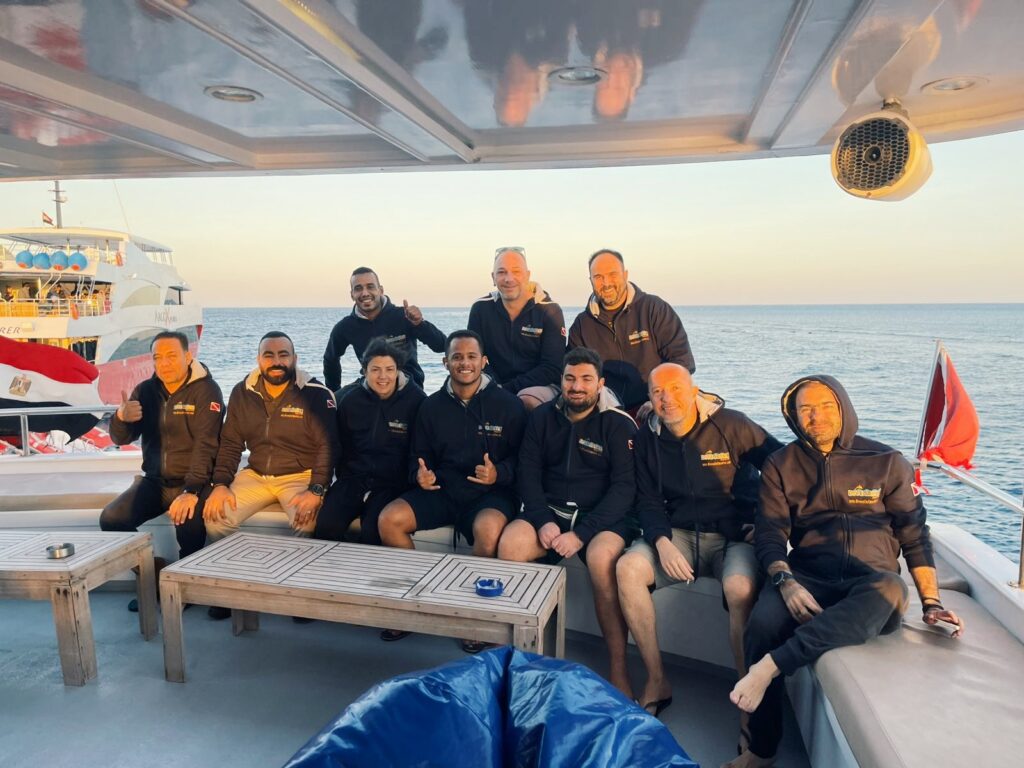
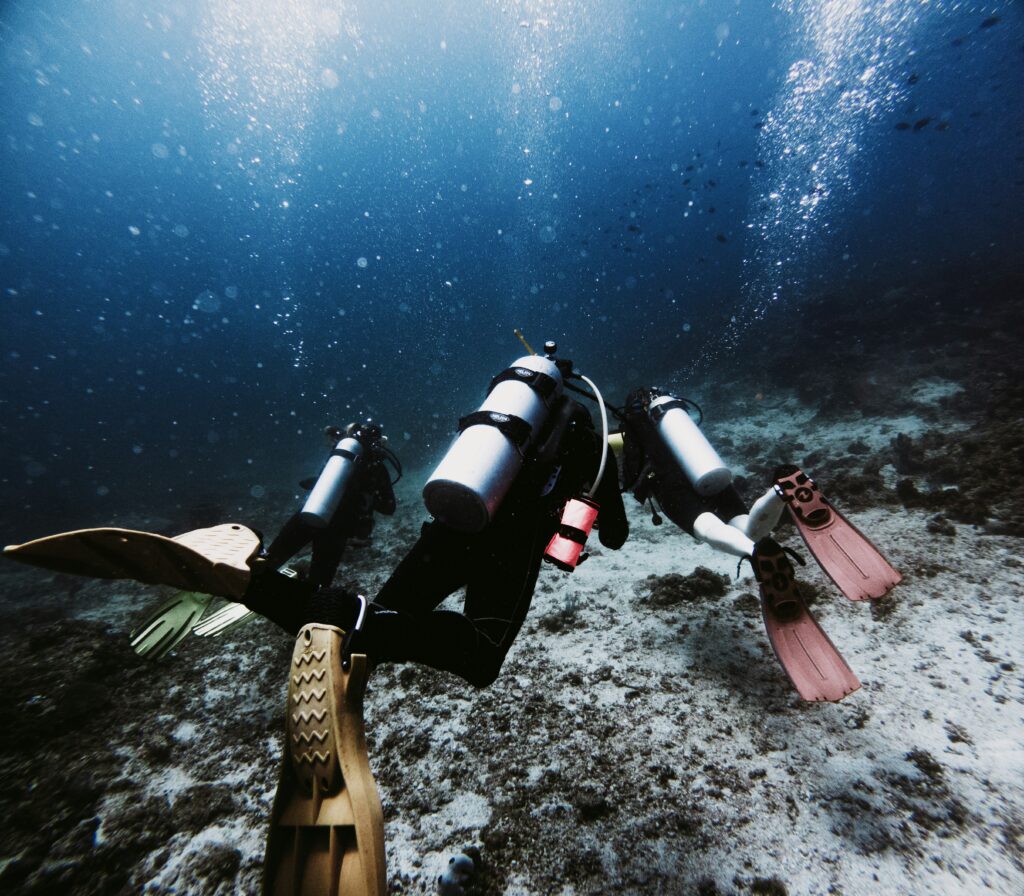
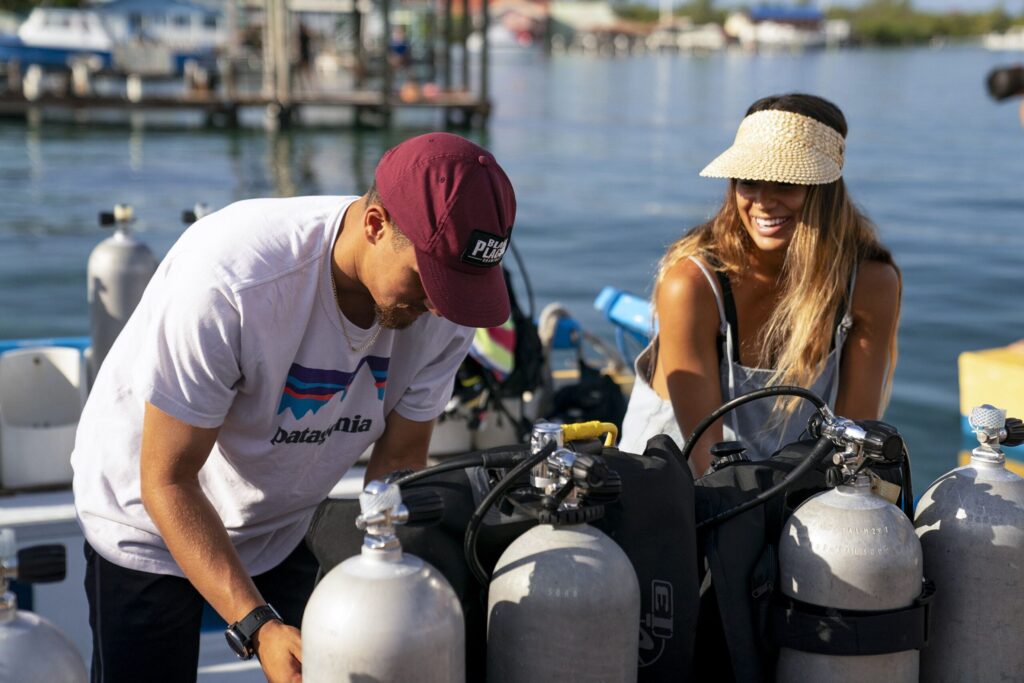
Briefings, gear checks and descents — BDE and Pelagic Trail, MY JPMarine
Our Best-Selling Itineraries
Each route hand-crafted by our team. Solo divers, groups, and full charters welcome.

Prepare for Your Trip

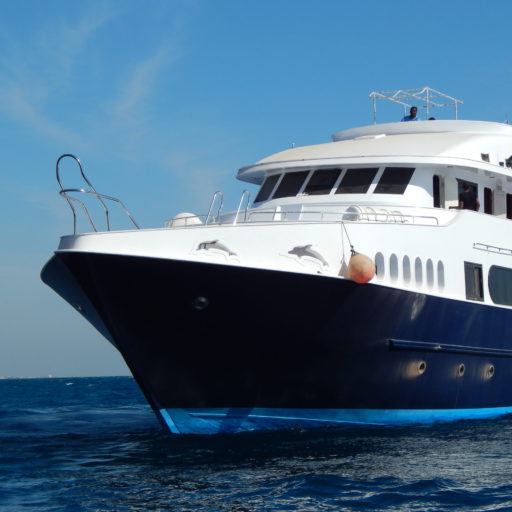
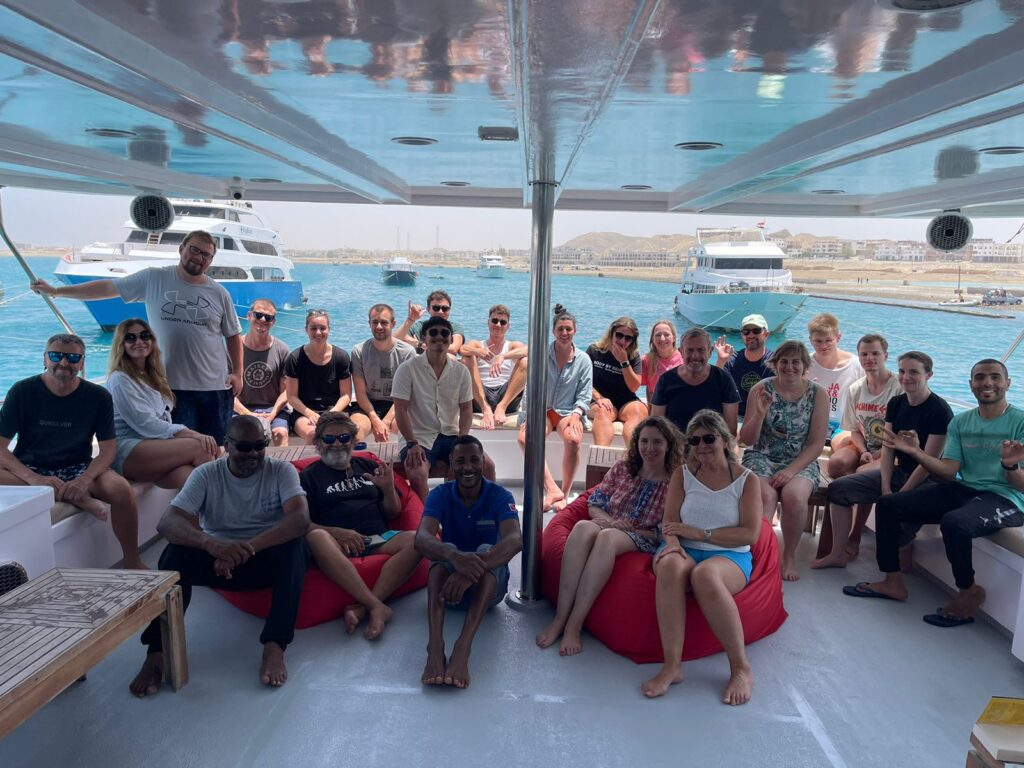
MY JP Marine — we’re in business since 1999 · Southern Red Sea
Your Safety is Our Standard
MY JPMarine — built and maintained to the highest safety standards

Continue Reading
FAQ
Questions we get every week
Do I need a 3mm or 5mm wetsuit for the Red Sea?
Can I travel to Marsa Alam with cabin baggage only?
What reef-safe sunscreen should I bring?
Is seasickness a real concern on the overnight crossing?
What does the plastic-free policy aboard mean for packing?
Do I need to bring my logbook?
Ready to Book Your Southern Red Sea Week — Check Available Dates
Book directly — no agency fees, no hidden costs.
Or email us: info@divesafarimaster.com