


Wetsuit Thickness for Red Sea Liveaboard — Month by Month Guide
Water temperatures in the southern Red Sea vary by 10°C across the year. This guide tells you exactly what to wear, month by month, based on real operational data from MY JPMarine.
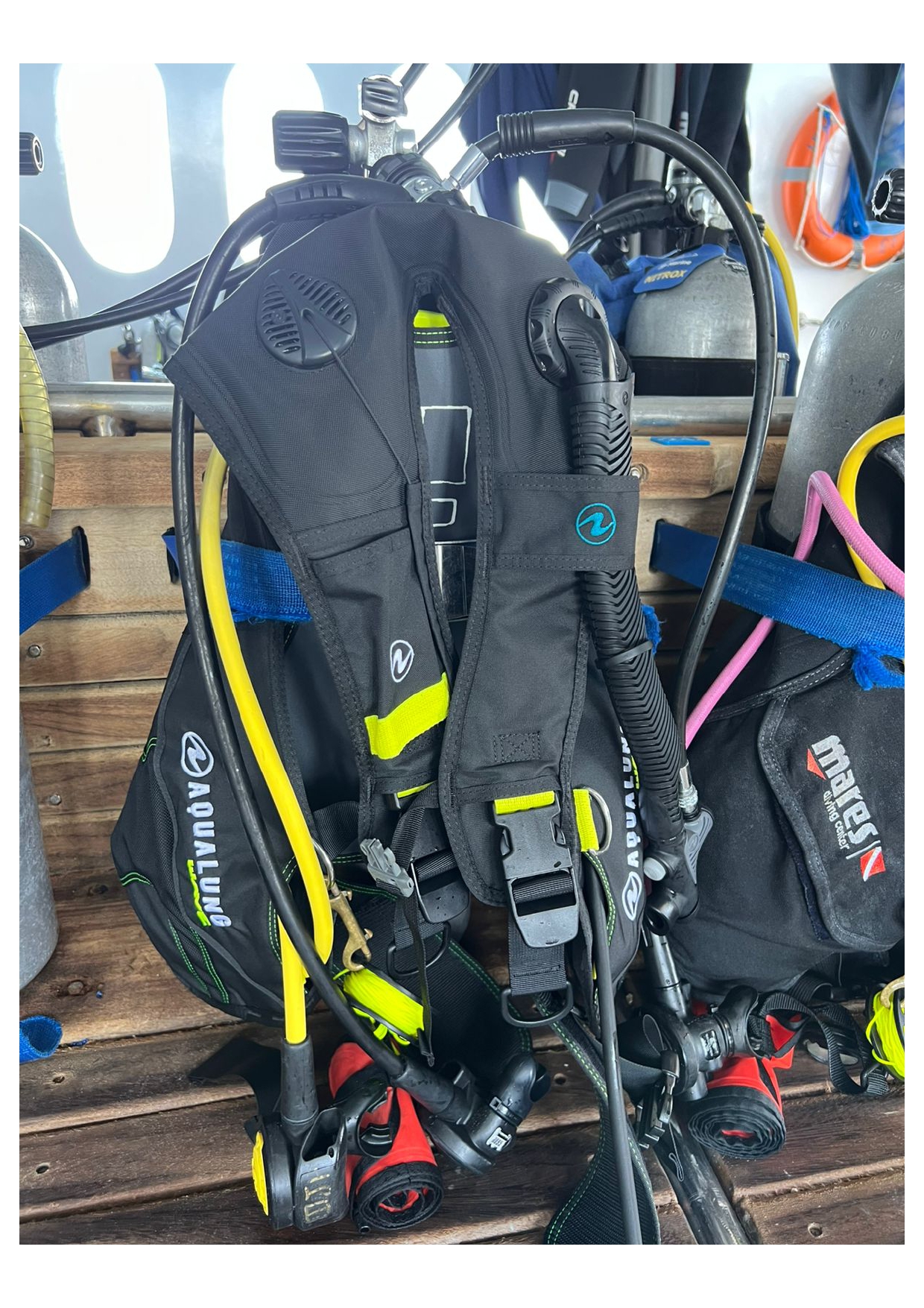
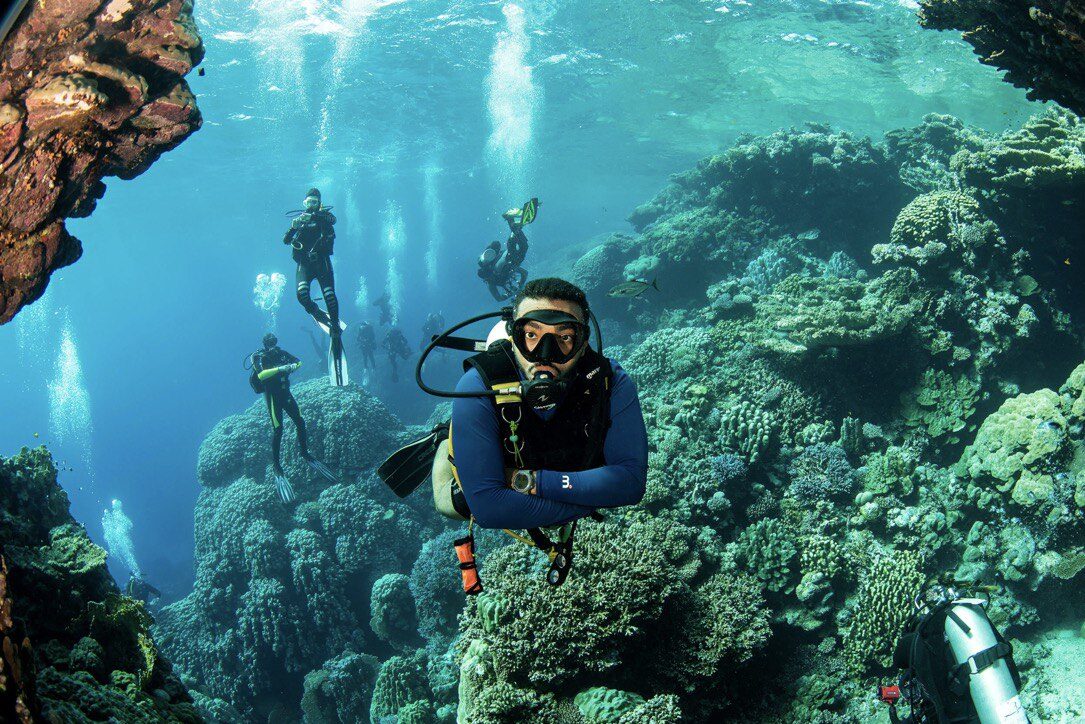
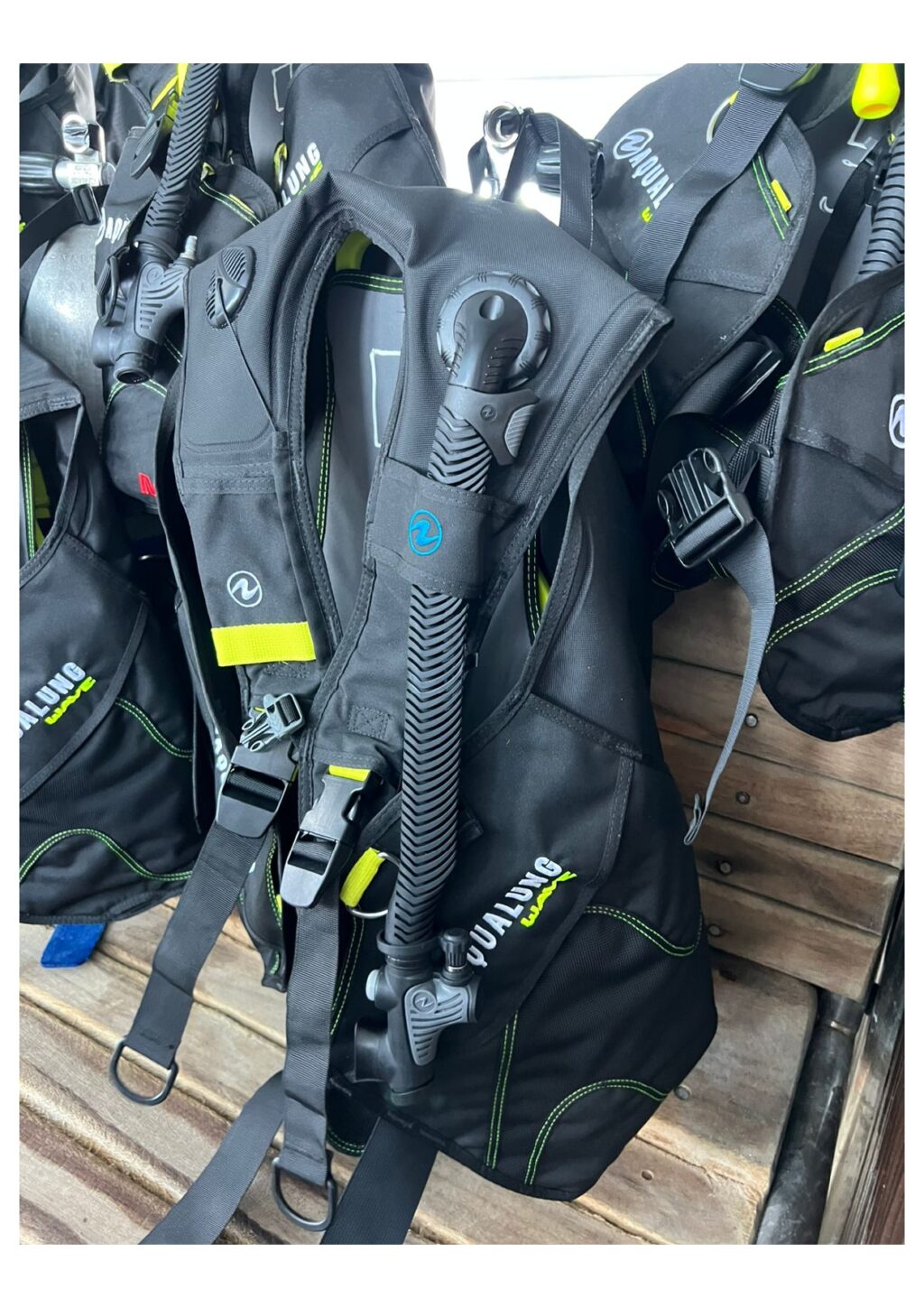
Dive deck and gear aboard MY JPMarine — southern Red Sea
Why wetsuit choice matters more on a liveaboard
On a shore-based dive holiday, a wrong wetsuit choice means one uncomfortable dive. On a liveaboard in the southern Red Sea, you are doing 3–4 dives per day for seven days. A suit that is too thin in winter leaves you shivering by the second dive. A suit that is too thick in summer creates heat stress on the surface and restricts movement at depth.
The southern Red Sea — the operating area for MY JPMarine and for MY Queen Sherry — has a surface temperature range of roughly 22°C in February to 32°C in August. Depth reduces this further. Getting the thickness right is one of the most practical preparations you can make before boarding.
Month-by-month water temperature table
The figures below are surface temperatures based on operational data from MY JPMarine’s southern Red Sea routes. Actual temperature at depth will be lower — see the depth section below the table.
| Month | Surface Temp (°C) | Recommended Wetsuit | Season |
|---|---|---|---|
| January | 22–23°C | 5mm full suit | Winter |
| February | 22–23°C | 5mm full suit | Winter |
| March | 23–24°C | 5mm full suit | Transition |
| April | 25–26°C | 3mm full suit | Spring |
| May | 26–27°C | 3mm or shorty | Spring |
| June | 28–29°C | 3mm or shorty | Summer |
| July | 29–30°C | 3mm or shorty | Summer |
| August | 30–32°C | 3mm or shorty | Summer |
| September | 29–30°C | 3mm or shorty | Late Summer |
| October | 27–28°C | 5mm full suit | Transition |
| November | 24–26°C | 5mm full suit | Autumn |
| December | 22–24°C | 5mm full suit | Winter |
Surface temperatures only. Thermoclines at 20–30m can drop readings by 3–5°C below what you feel on the surface. See the depth section below.
Season-by-season wetsuit guide
Winter — October through March: 5mm full suit
Surface temperatures between 22–28°C feel mild compared to northern European winters, but on a liveaboard the cumulative effect of three or four dives per day is significant. Each dive drops body temperature; surface intervals do not fully restore it before the next entry. By the third dive of the day in February, divers in a 3mm suit are typically cold before they reach depth.
A 5mm full suit is the standard recommendation for October through March. October feels warm on the surface but thermoclines below 20m are well-established from summer stratification — a 5mm suit handles both conditions. By January and February, even the surface feels cold between dives on a breezy day at sea.
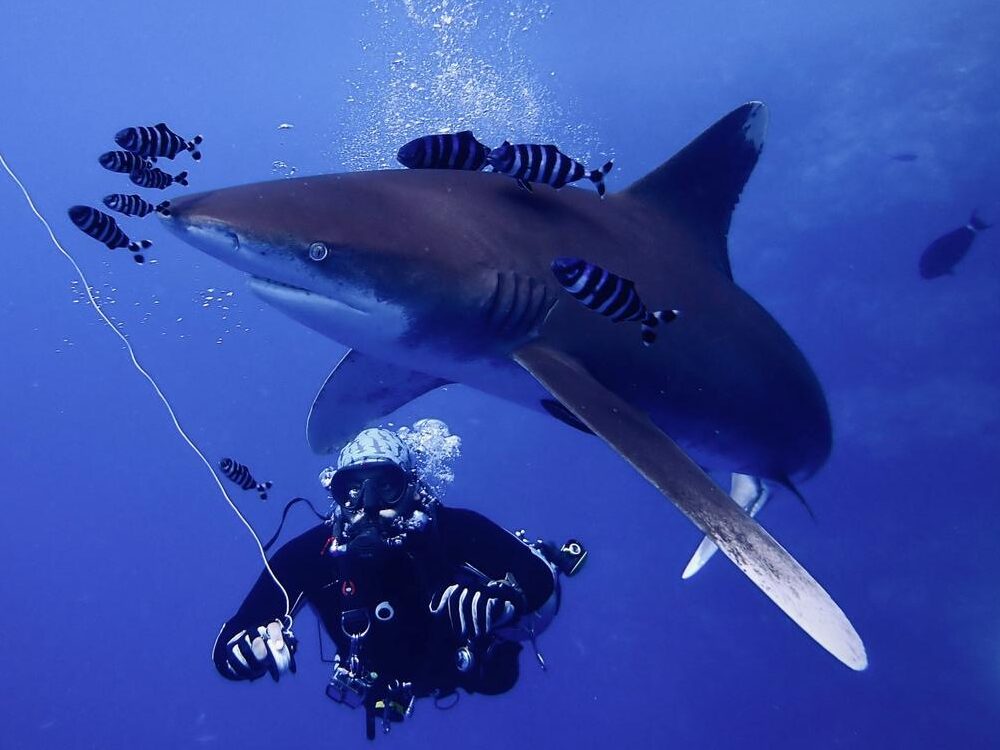
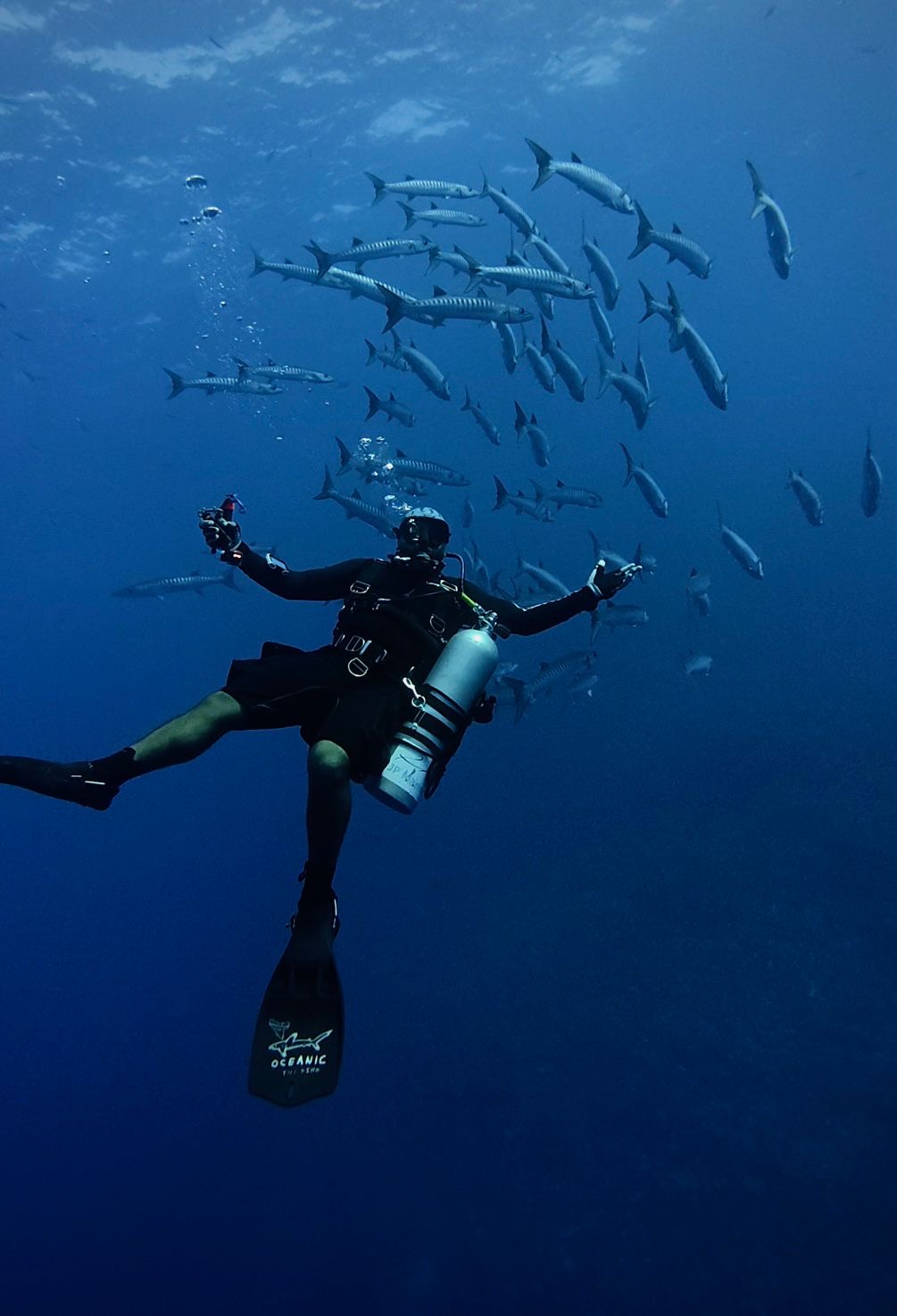
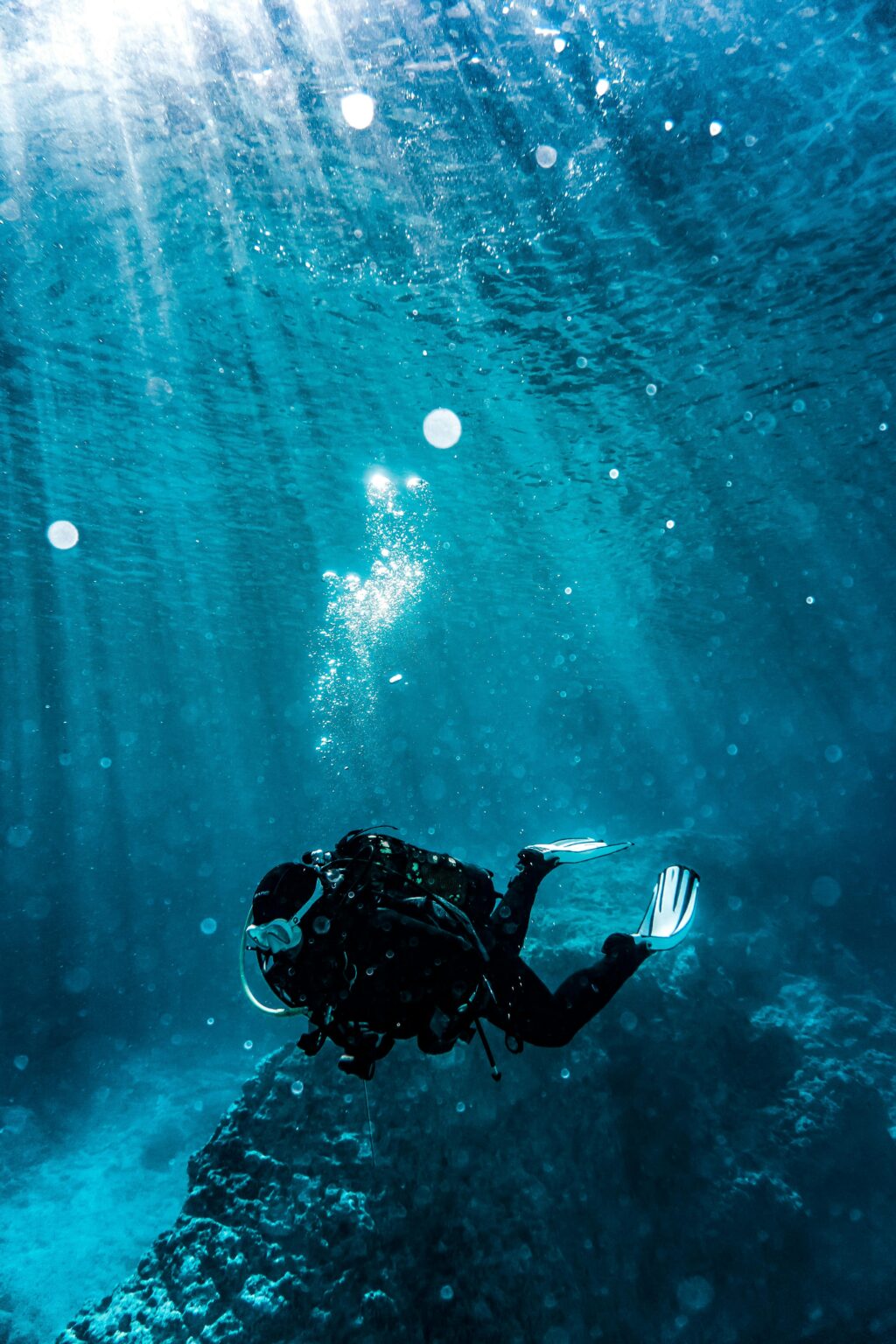
Depth dives on the BDE itinerary — MY JPMarine, southern Red Sea
Spring — April and May: 3mm full suit
April and May are the transition months. Surface temperatures climb to 25–27°C and the water feels noticeably warmer than winter. A 3mm full suit is the right choice for most divers — enough coverage for repeated dives without the thermal bulk of a 5mm. Divers who run cold can still opt for a 5mm in April without any discomfort.
Spring is also peak visibility season in the southern Red Sea. Dive sites like Brothers, Daedalus, and Elphinstone often see their best conditions between March and May — another reason this is a popular window for the BDE itinerary.
Summer — June through September: 3mm or shorty
Surface temperatures reach 29–32°C in July and August. At the surface and in the shallows, a shorty or a 3mm suit is all most divers need. However, a full 3mm suit remains the more practical choice for dives going below 20m — thermoclines are present even in summer, and the extra coverage reduces sun exposure on surface intervals.
Shorties work well for experienced divers who know their thermal tolerance. First-time liveaboard divers, or anyone doing their deepest-ever dives on this trip, are generally better served by a 3mm full suit even in August — see the depth section below for the reason.
Why depth changes everything
Surface temperature is what most divers check before a trip — but on a southern Red Sea liveaboard, it is only part of the picture. The sites on itineraries like the BDE route and the Golden Mix regularly go to 30–40m. At those depths, thermoclines can reduce the water temperature by 3–5°C below the surface reading.
| Surface temp | Typical temp at 30–40m | Recommended suit |
|---|---|---|
| 22–24°C (Jan–Feb) | 18–21°C | 5mm full suit |
| 25–27°C (Apr–May) | 22–24°C | 3mm full suit |
| 30–32°C (Jul–Aug) | 25–28°C | 3mm full suit (shorty possible in shallows only) |
Multiple dives per day compound the effect. After four dives to 35m in summer, even at surface temperatures of 30°C, most divers report feeling the cold on the final dive of the day. A full suit — even a lightweight 3mm — provides meaningful protection that a shorty does not.
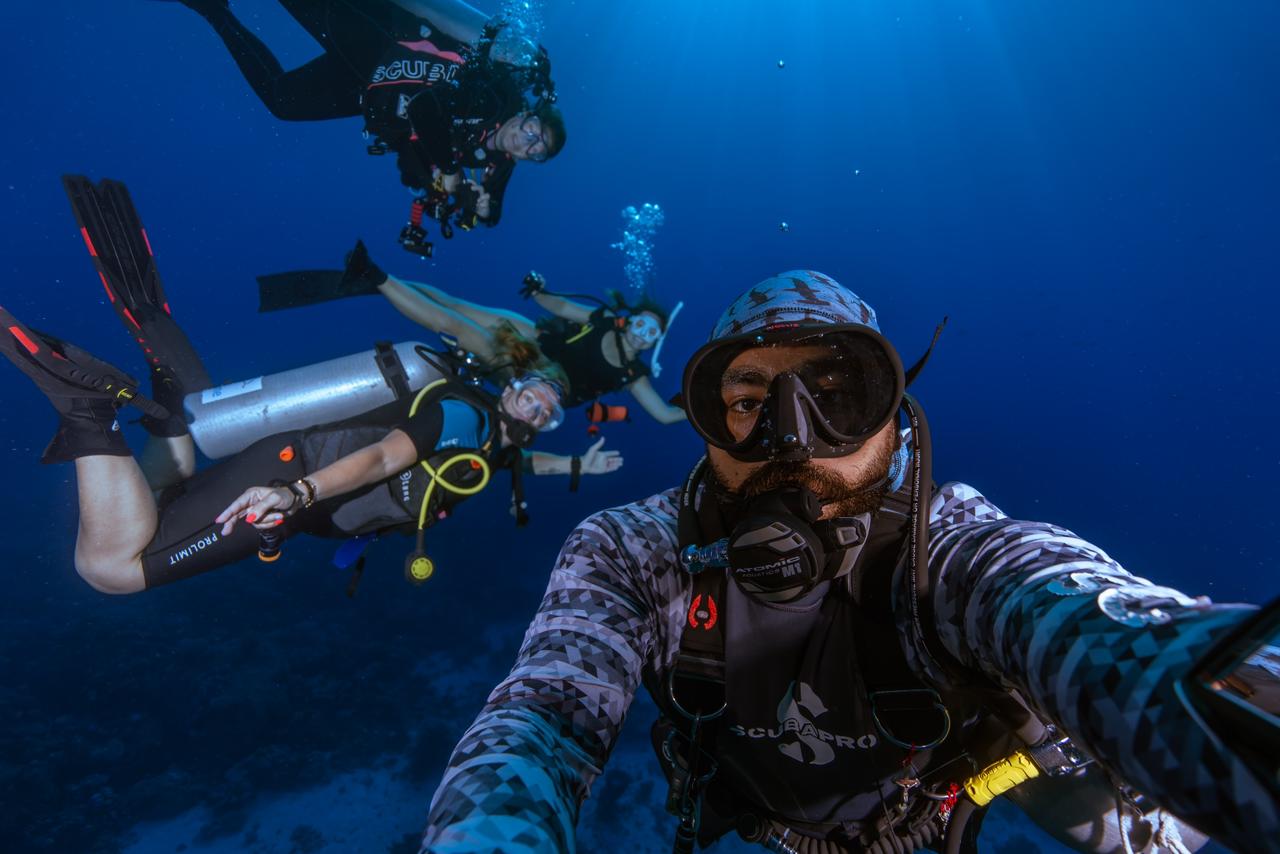
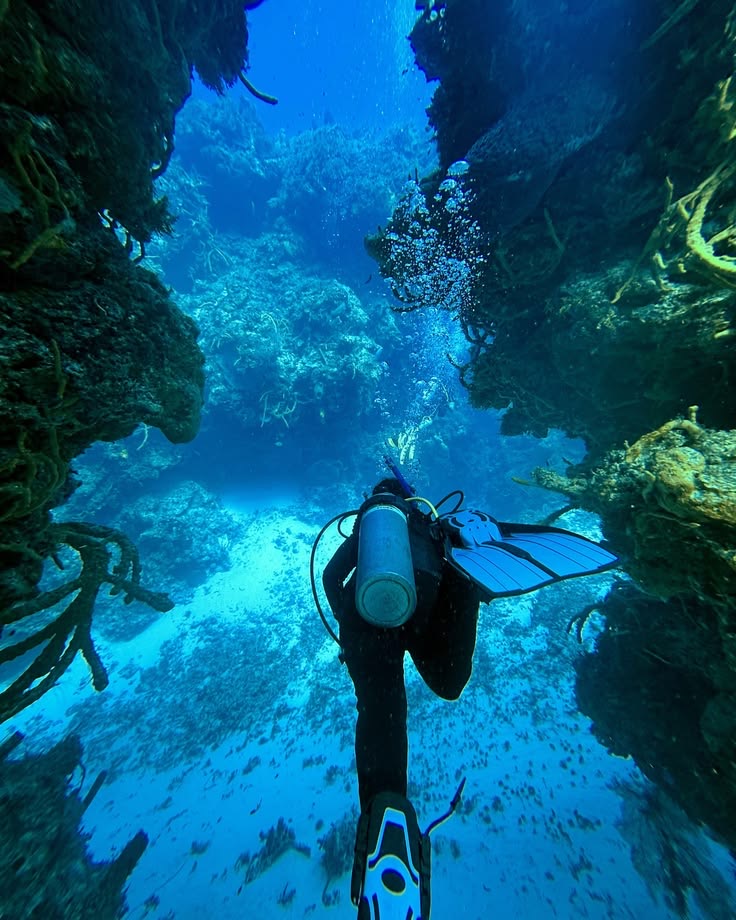
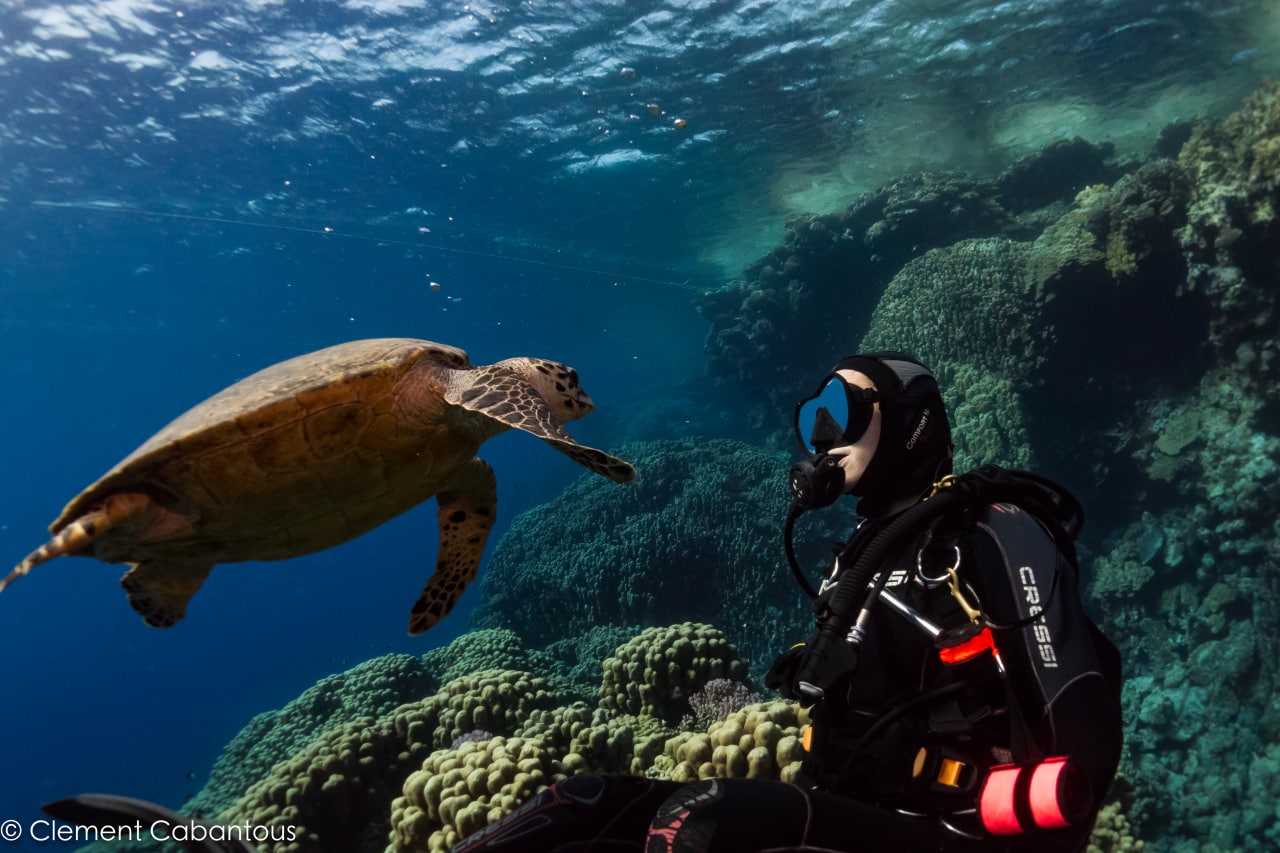
Depth dives on the BDE itinerary — MY JPMarine, southern Red Sea
Unsure what to pack for your trip dates?
Message us — we answer equipment questions quickly.
Or prefer email? info@divesafarimaster.com
Rental wetsuits aboard MY JPMarine
All rental wetsuits aboard MY JPMarine are 5mm full suits. This is a deliberate choice: a 5mm suit covers every month of the year and every depth range on the itineraries we run. Divers who arrive in August with a 3mm can use the rental 5mm for deeper or later dives and switch back to their own suit for shallower morning dives.
| Detail | MY JPMarine Rental Wetsuits |
|---|---|
| Thickness | 5mm full suit — all rentals |
| Brands available | ScubaPro, Mares, AquaLung |
| Sizing | Full size range — see sizing guide on rental page |
| Pre-order required? | Yes — pre-order before your trip to guarantee your size |
| Included in base price? | No — rented separately; see current rates on the equipment rental page |
| Can I rent just a wetsuit? | Yes — individual items available, not just full sets |
Equipment Rental — Sizing Guide & Pre-Order
Rental wetsuits, BCDs, regulators, computers and more. Pre-order to guarantee your size is available when you board. All brands: ScubaPro, Mares, AquaLung.
View Equipment Rental →What to bring even when renting
Renting a wetsuit aboard covers the core need, but there are a few personal items worth bringing regardless — items that are difficult to size by rental and that significantly affect comfort over a week of diving.
🦶 Dive boots / socks — thin neoprene socks improve fin fit and reduce blisters on high-dive-count trips
🪖 Hood — for October through March, a thin 3–5mm hood adds significant warmth; rarely available in rentals
👙 Rashguard or lycra underskin — worn under a wetsuit, adds warmth in winter and helps donning/doffing in summer
🎽 Backup underskin or swimwear — a wet rental suit is easier to get into with a dry layer underneath
Our Best-Selling Itineraries
Each route hand-crafted by our team. Solo divers, groups, and full charters welcome.

Prepare for Your Trip
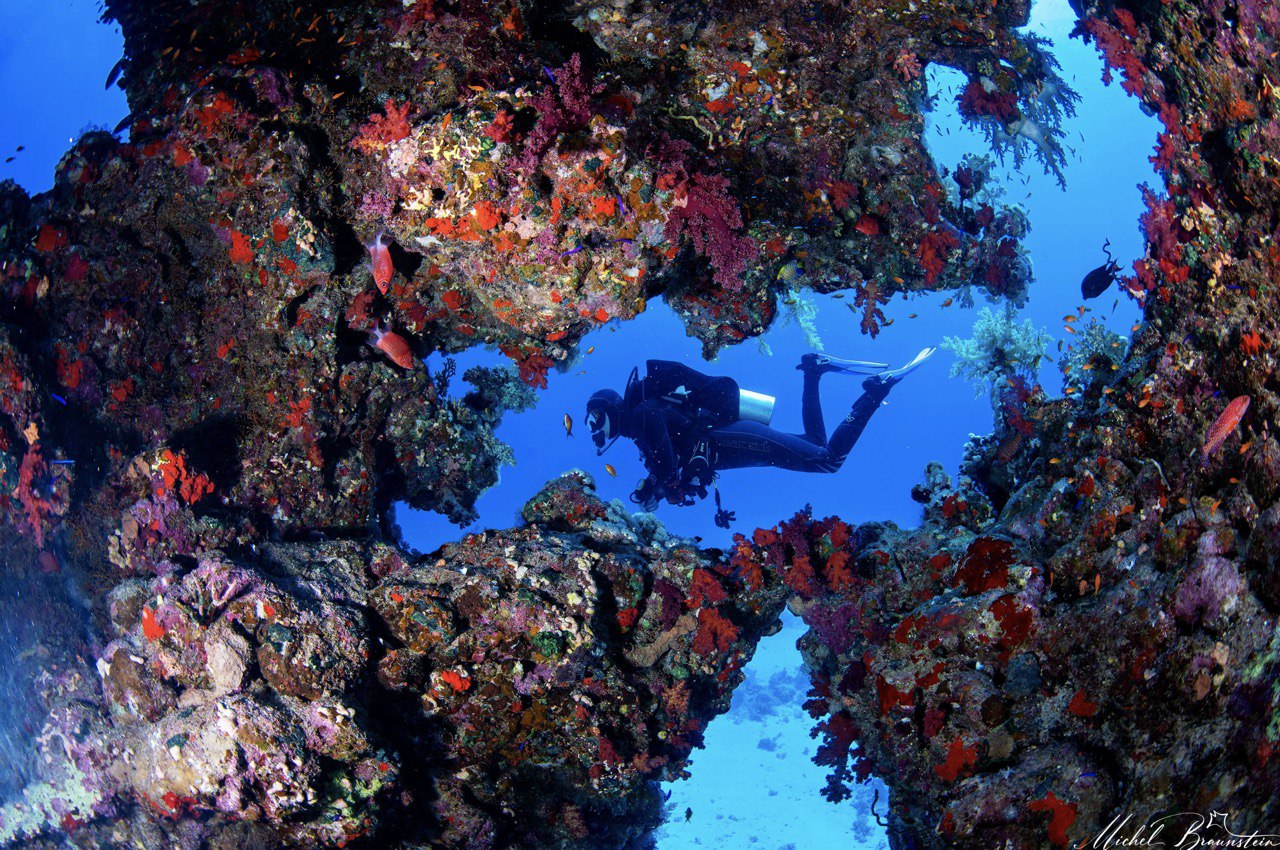
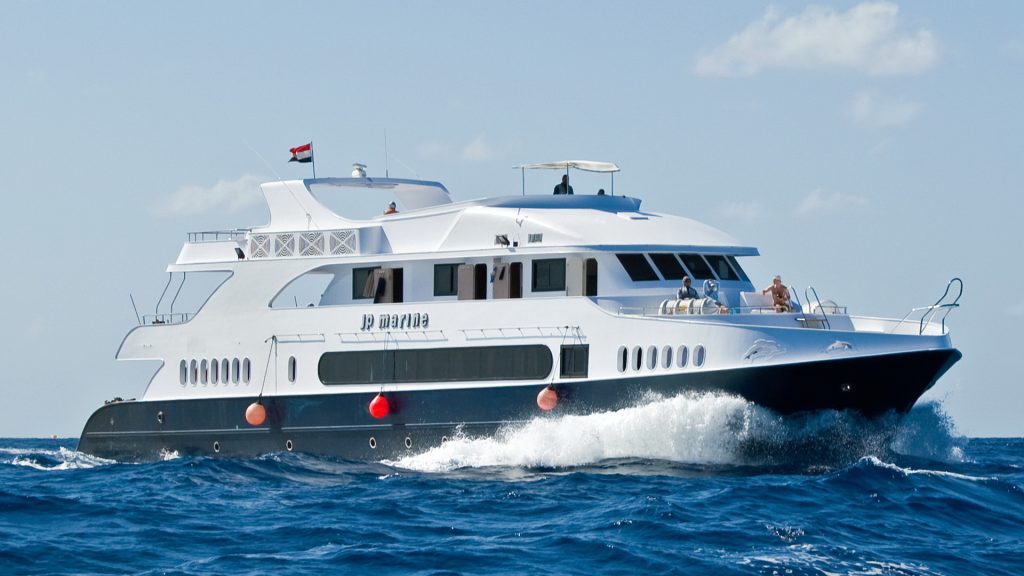
MY JP Marine — we’re in business since 1999 · Southern Red Sea
Your Safety is Our Standard
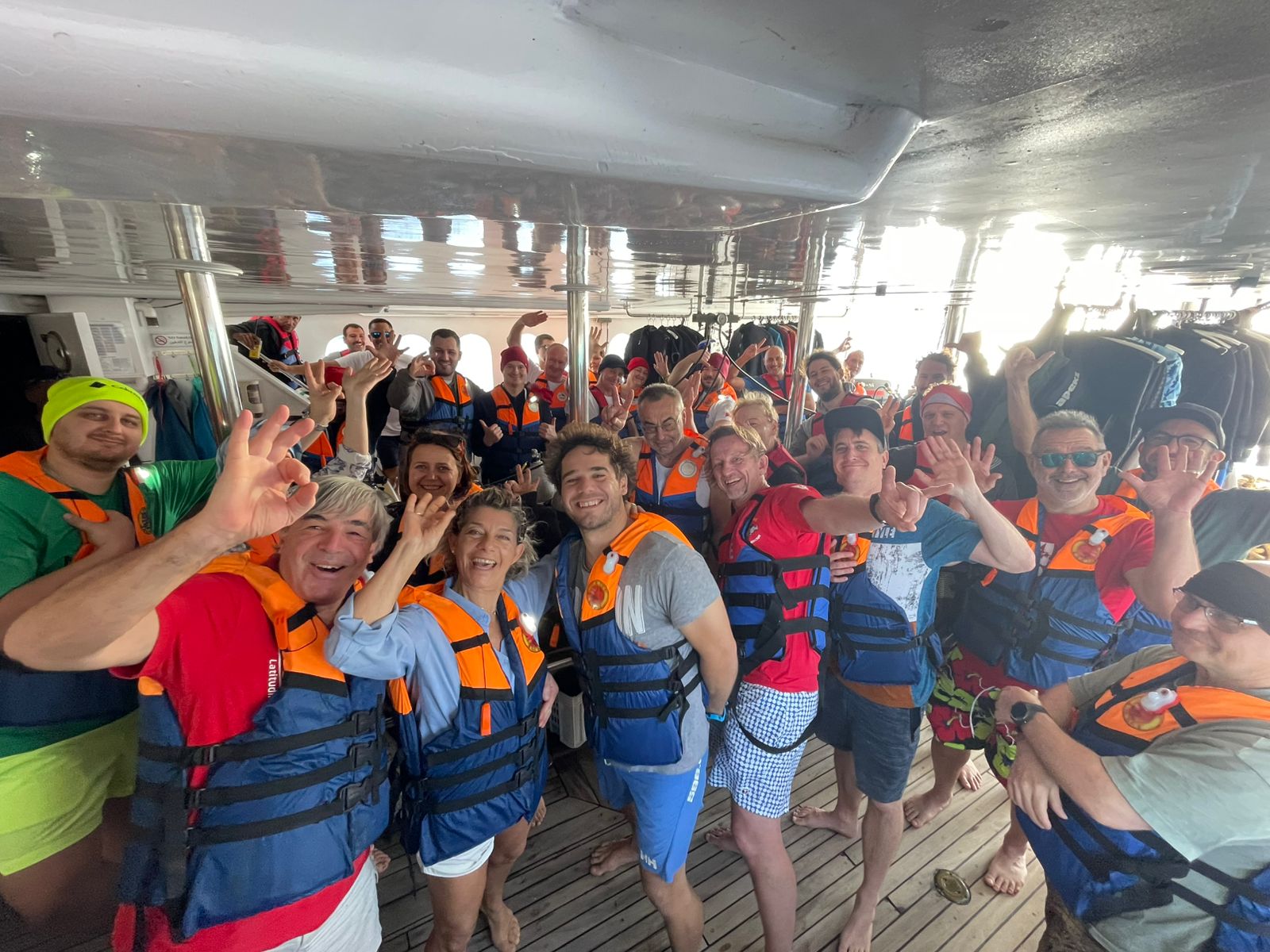
MY JPMarine — built and maintained to the highest safety standards

Continue Reading
FAQ
Questions we get every week
What wetsuit thickness do I need for the Red Sea in winter?
Can I use a shorty wetsuit in summer in the Red Sea?
What thickness wetsuits are available to rent aboard MY JPMarine?
Do I need to pre-order a rental wetsuit?
Is a 3mm wetsuit enough for the BDE itinerary in April?
Should I bring my own wetsuit or rely on rental?
Ready to Book Your Red Sea Liveaboard?
Check available dates, pre-order your equipment, and book direct — no agency fees.
Or email us: info@divesafarimaster.com