


Is Egypt Safe in 2026? What Divers Need to Know
Geography, government advisories and what is actually happening on the water — from people who dive here every week.
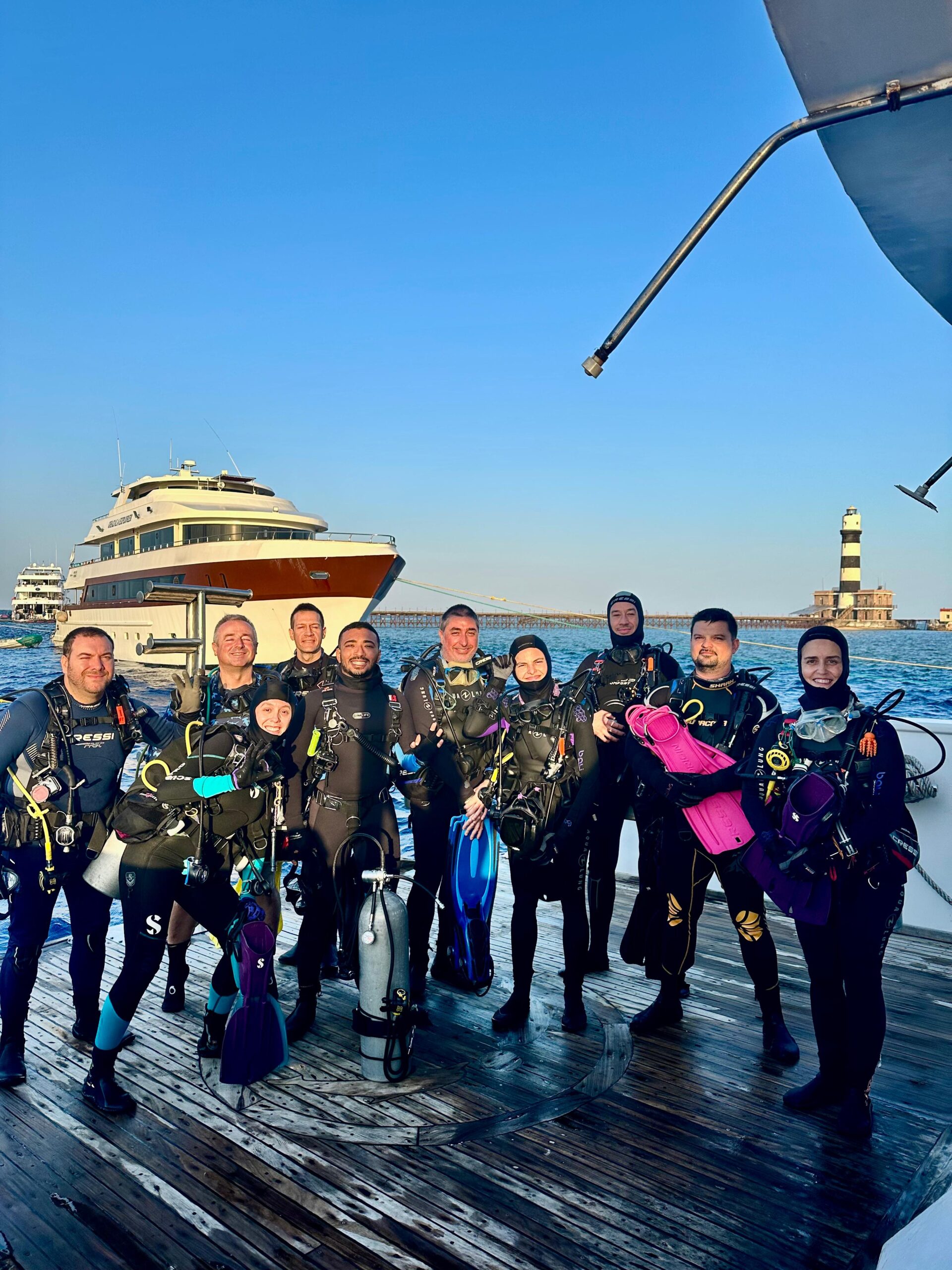
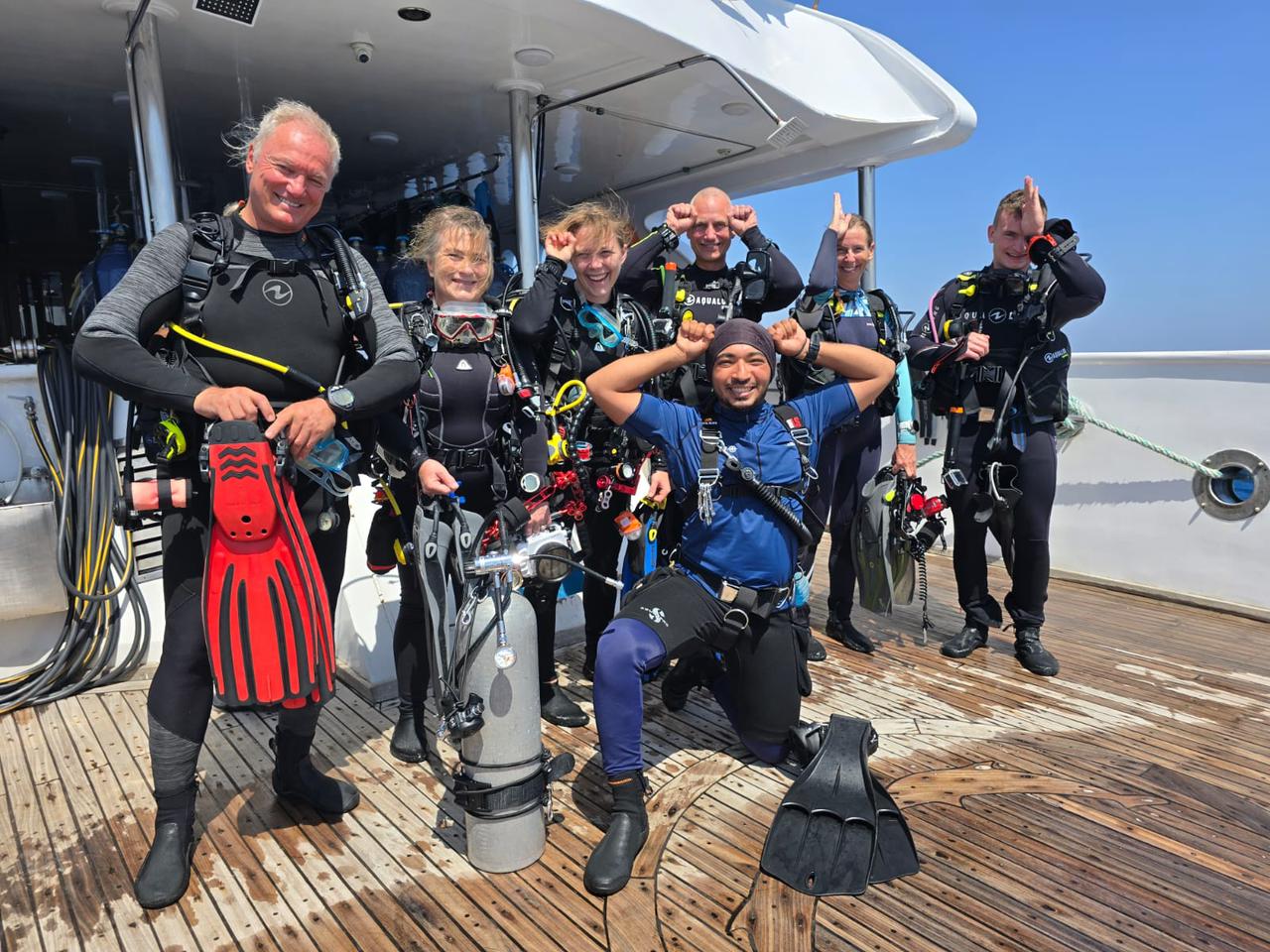
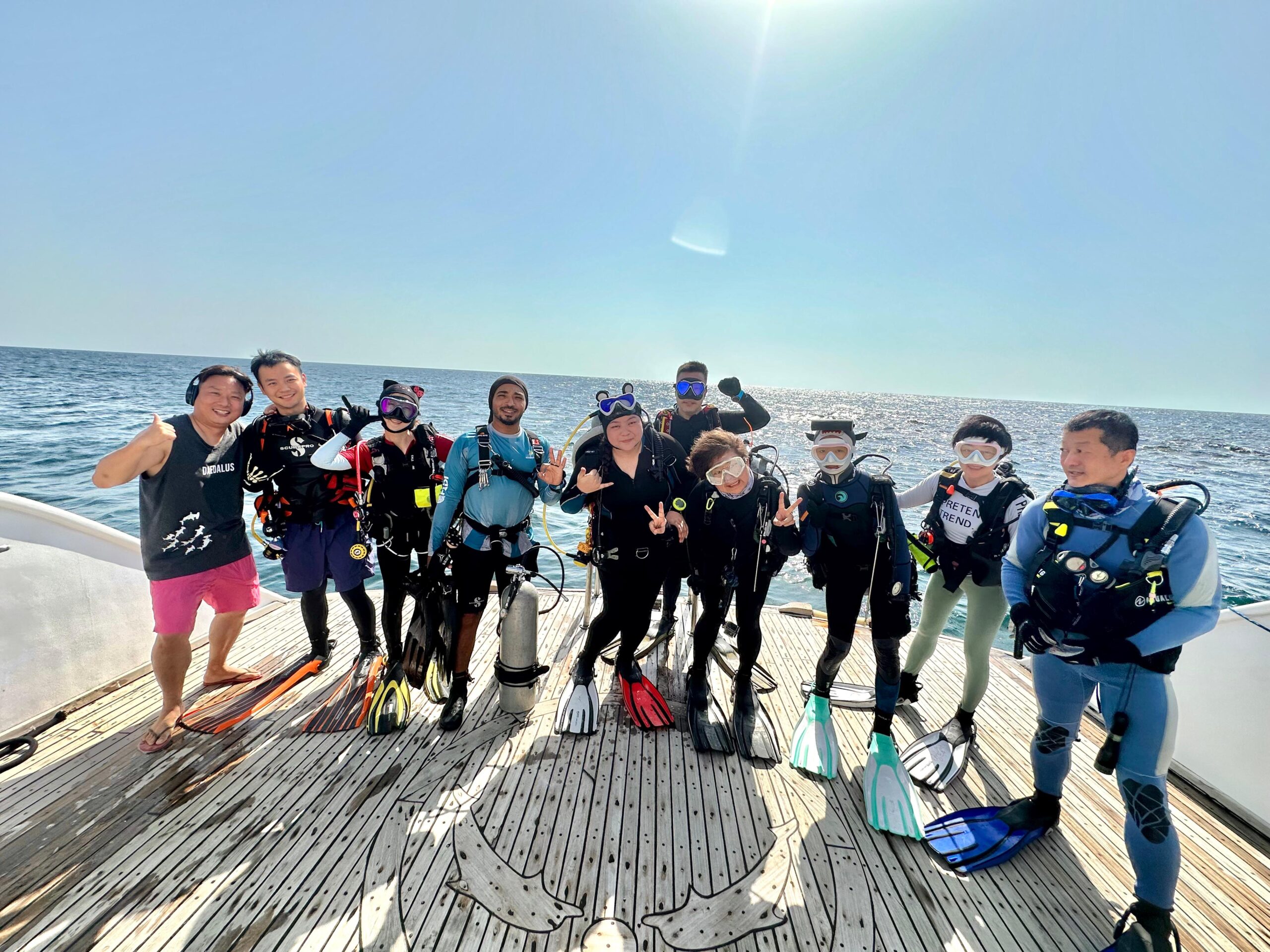
DiveSafariMaster guests aboard MY JP Marine — Red Sea, spring 2026
Egypt’s Official Travel Advisory: Same Level as France and Germany
European foreign ministries rate every country on a tiered safety scale. Egypt sits at the same level as France, Germany, the UK, Italy, Spain, Belgium, and the Netherlands — standard travel awareness, no warning, no restriction. The countries at the highest advisory levels (Iran, Iraq, Syria, Yemen) are separated from Egypt by multiple international borders and hundreds to thousands of kilometres. Egypt’s advisory has not changed throughout 2026.
If you have booked a trip to Paris, London or Barcelona recently without thinking twice, Egypt’s official rating should be read in exactly that context.
Geography: Why the Red Sea Is Not the Middle East
Egypt is a North African country. Its Red Sea coast runs along the African continent. Marsa Alam — our base — is over 3,000 km from the nearest active conflict zone. That is the same distance as Paris to Kyiv. Nobody in France cancelled their summer holiday because of the war in Ukraine. The distance is the same. The logic is identical.
Restricted Zones vs Where Divers Go
Egypt is nearly one million square kilometres. The areas that carry specific advisories are remote border regions — North Sinai and parts of the Western Desert. Unpopulated. Far from any tourist corridor. No liveaboard itinerary visits them. The Red Sea resort corridor sits on the western coast of the Red Sea, on the African side — not near the Sinai, not near any restricted zone.
Still unsure? Ask us directly — we are on the water every week.
Check available dates or reach out — we answer quickly.
Or prefer email? info@divesafarimaster.com
Cairo Airport: Fully Open, Every Day
Cairo International Airport is one of the most stable aviation hubs in the region right now. All international routes are running normally. Our guests fly into Hurghada and Marsa Alam every Saturday from London, Paris, Amsterdam, Frankfurt and Milan. No cancellations. No rerouting.
Ground Truth: We Are Diving Here Every Single Week
We are not writing theory. We run liveaboard trips in the Red Sea every Saturday. European guests fly in, board at Marsa Alam Marina, and spend the week at Daedalus, Elphinstone, Brothers Islands and Sataya. Then we do it again the following week.
✔️ Every Saturday departure left on schedule throughout spring 2026
✔️ Zero cancellations related to any regional situation
✔️ Guests flying weekly from UK, France, Germany, Netherlands, Belgium
✔️ Hurghada and Marsa Alam airports operating without disruption
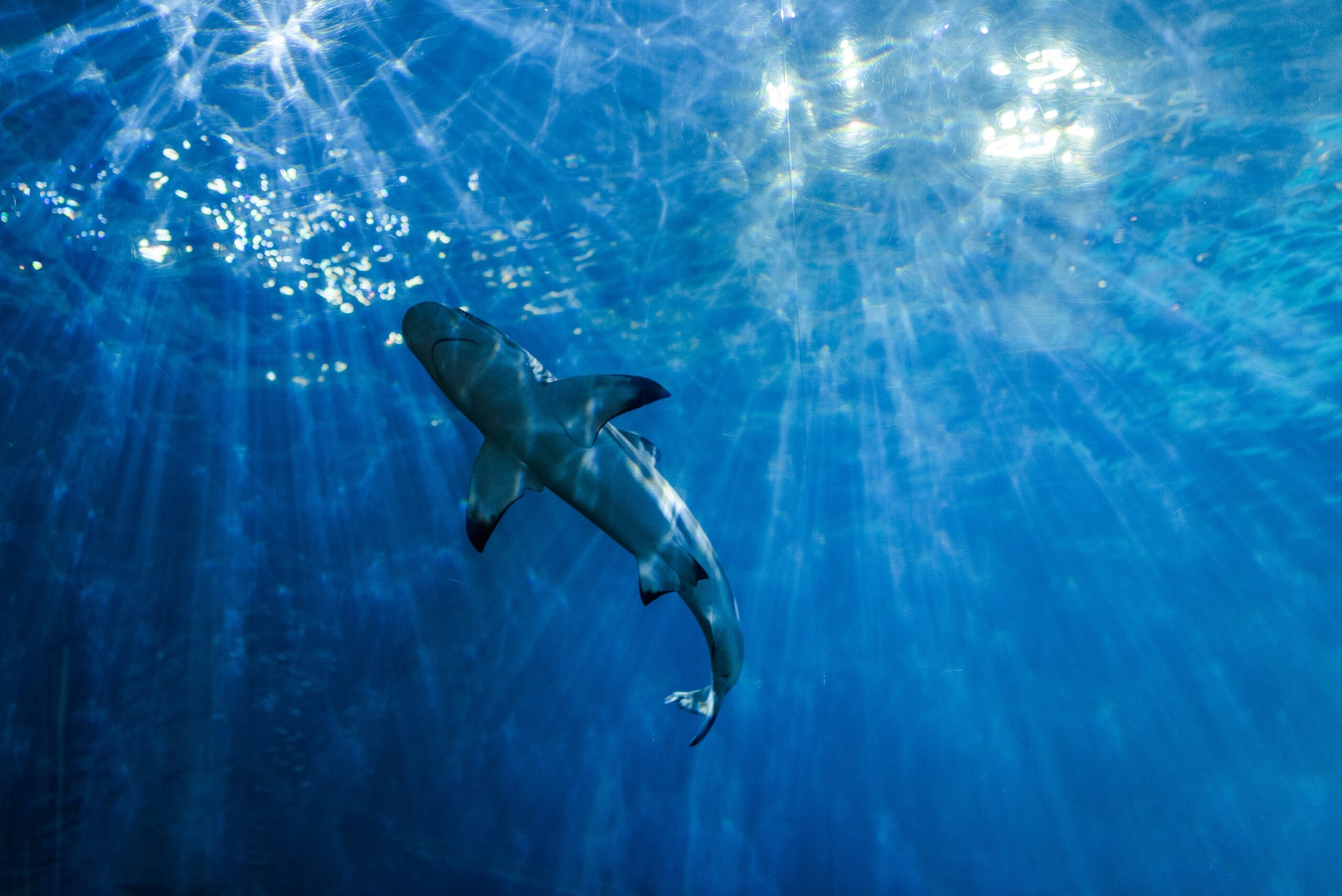
✔️ Hammerheads, oceanic whitetips and dolphins encountered every week
✔️ All four itineraries running — Pelagic Trail, BDE, Golden Mix, Deep South
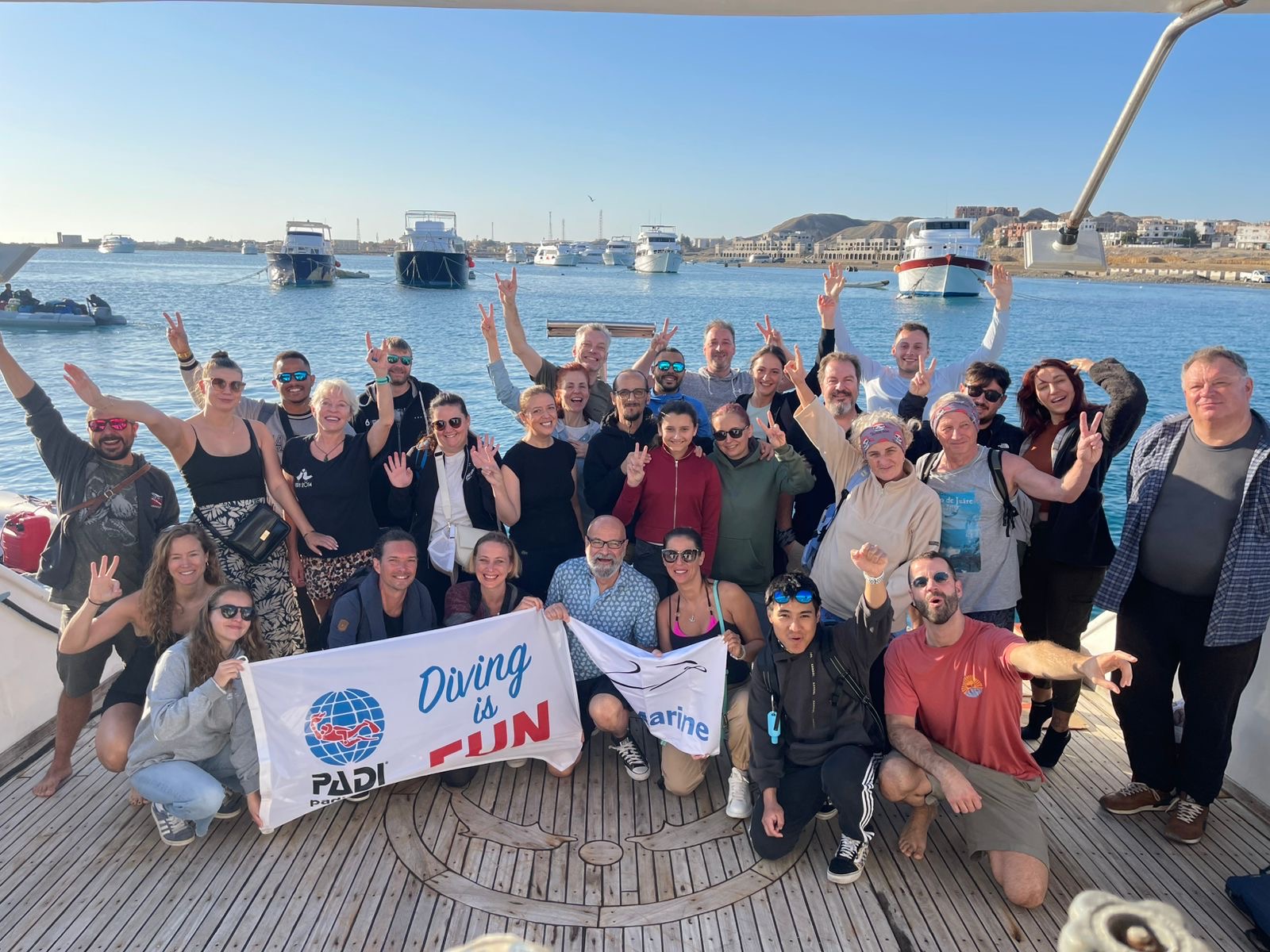
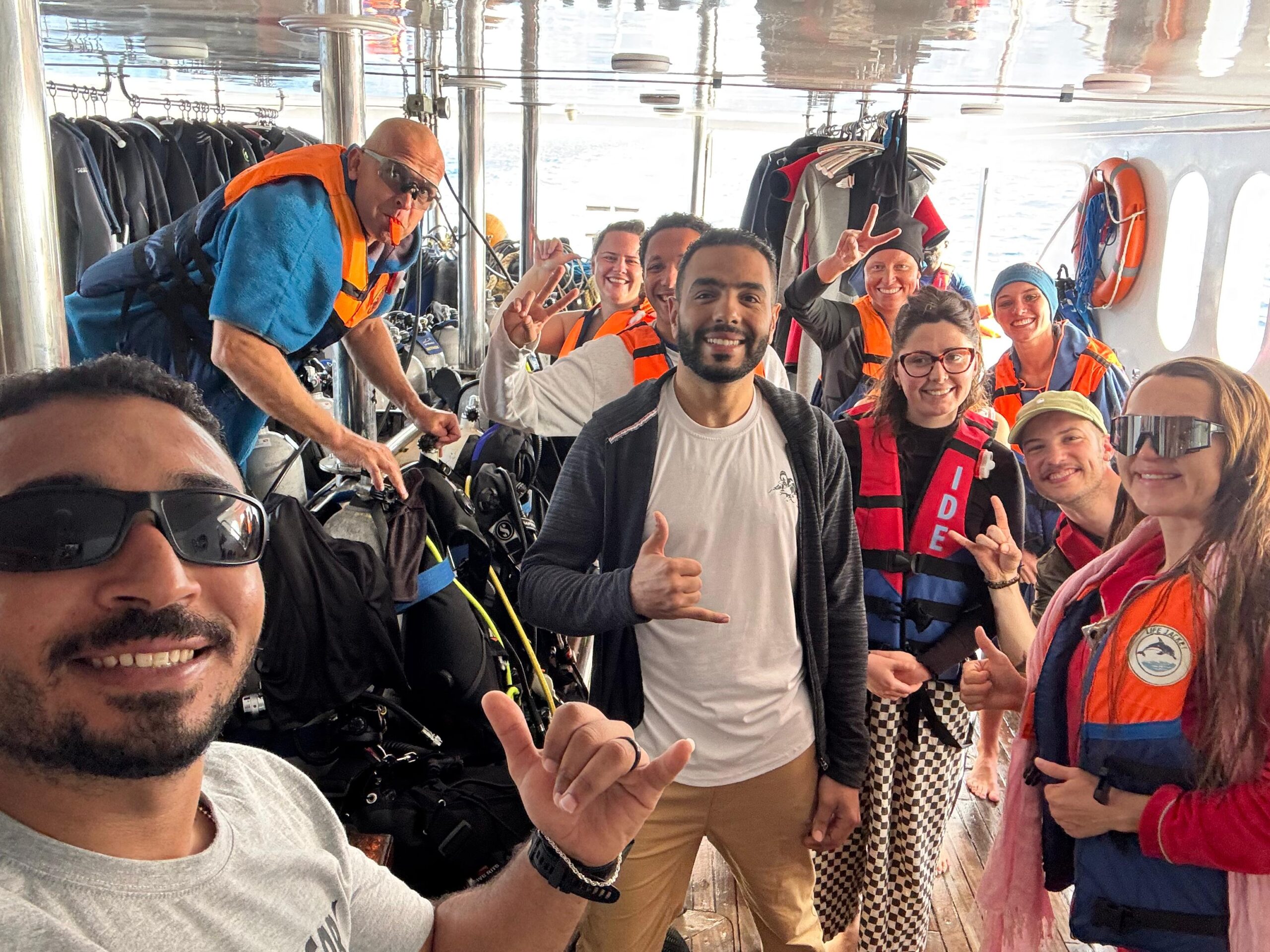
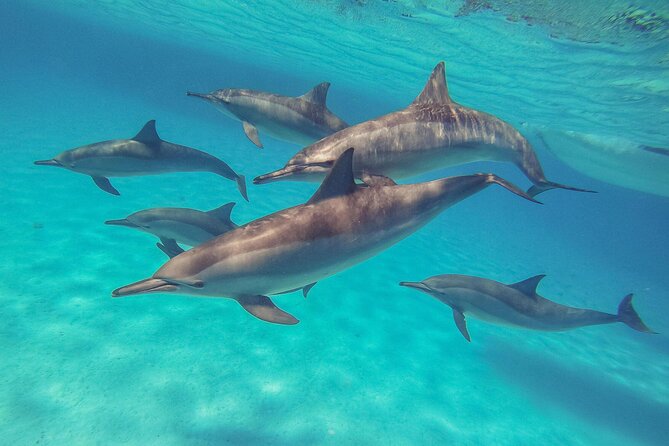
DiveSafariMaster guests — spring 2026 departures from Marsa Alam
Our Best-Selling Itineraries
Each route hand-crafted by our team. Solo divers, groups, and full charters welcome.

Prepare for Your Trip
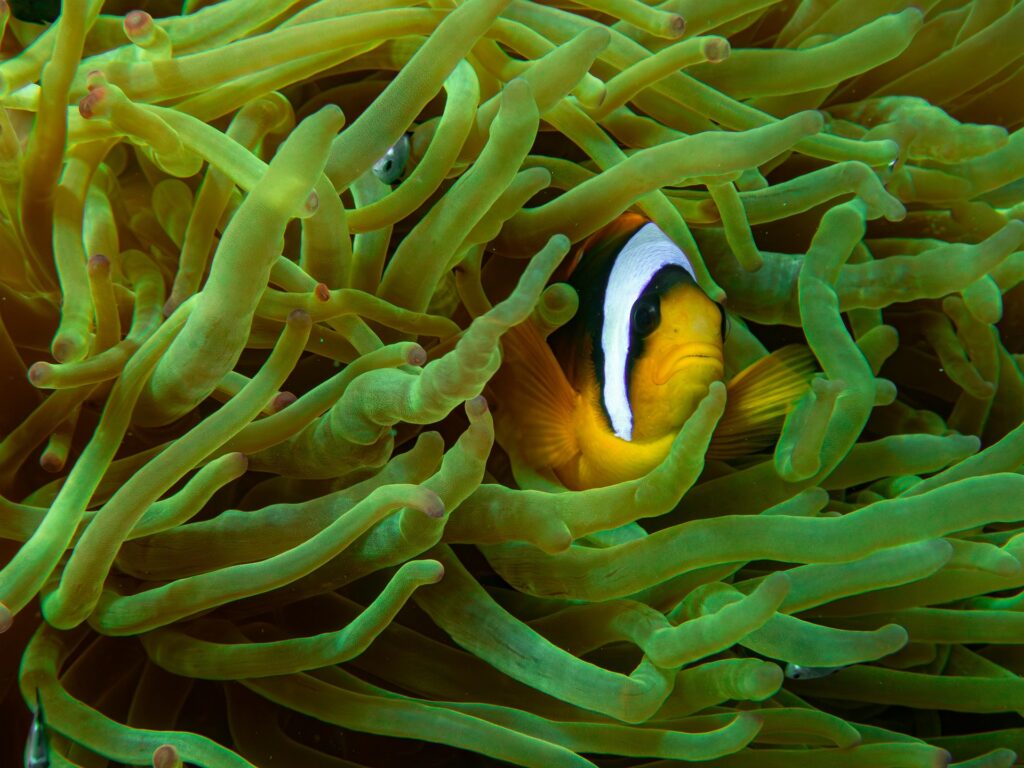
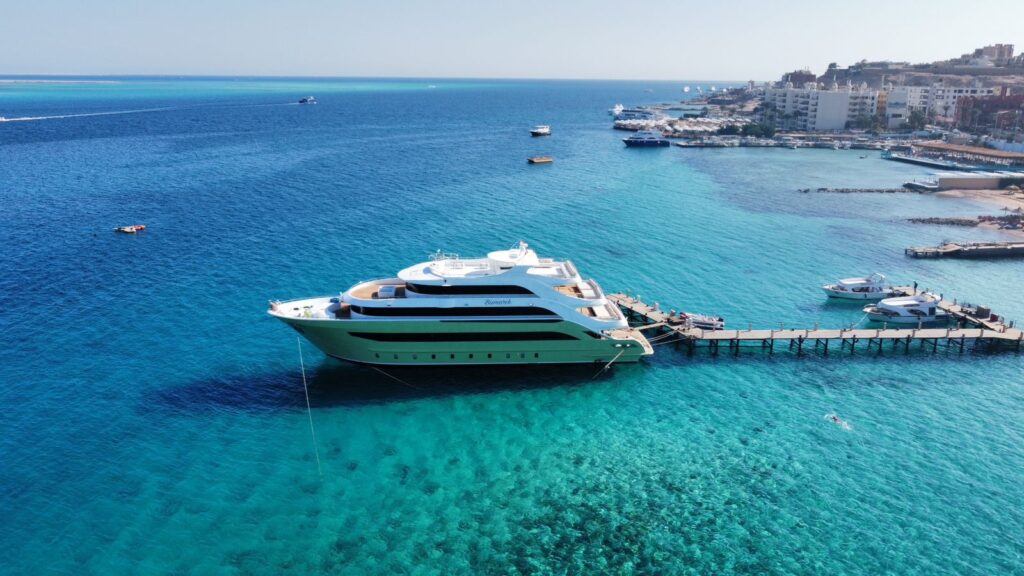
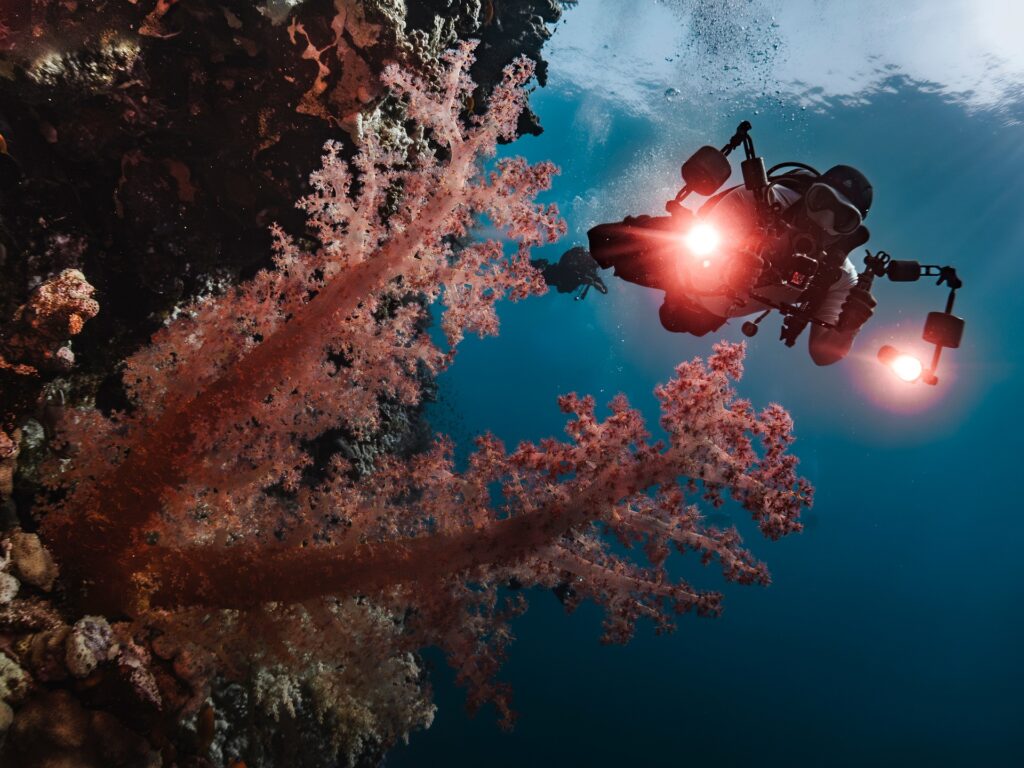
Photos underwater by Franziska Stier – Dive Safari Master
Your Safety is Our Standard
MY JPMarine — built and maintained to the highest safety standards

Continue Reading
FAQ
Questions we get every week
Is Egypt safe to visit right now in 2026?
Is the Red Sea affected by what is in the news?
What is Egypt’s official travel advisory level?
Are flights to Marsa Alam and Hurghada running?
Has DiveSafariMaster cancelled any trips in 2026?
I am still unsure — what should I do?
The Red Sea is open. Come and dive.
Book directly — no agency fees, no hidden costs. Every Saturday from Marsa Alam Marina.
Or email us: info@divesafarimaster.com